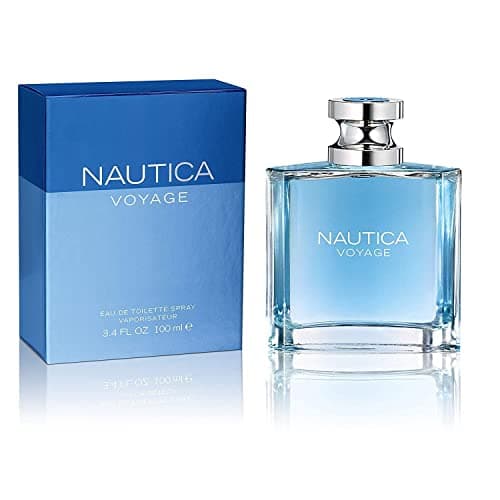
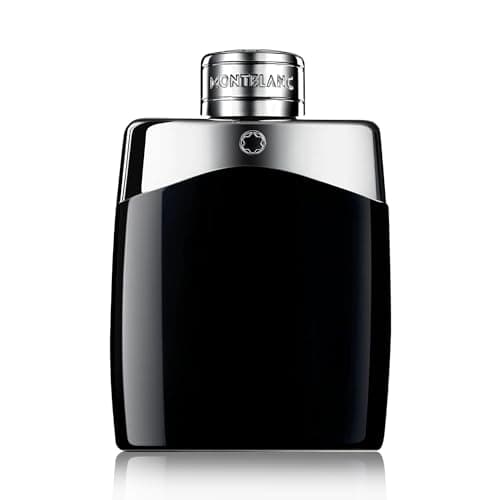
An interview is a different brief from the office
Almost every fragrance recommendation you will read is written to help you get noticed. An interview inverts that completely. You are in a small, often windowless room, sitting three to six feet from one to four strangers, for between thirty and ninety minutes, and the only thing your fragrance can realistically do is subtract. Smell clean and nobody registers it. Smell like a fragrance and you have handed a stranger a data point about you that has nothing to do with whether you can do the job.
That is why this is a separate page from our work-safe office ranking, and why the two lists share no picks. An office scent is optimized for eight hours of shared air with people who already know you and will smell you again tomorrow — it can afford a little character. An interview scent is a single, high-stakes ninety minutes with people who are forming a first impression in real time, and it should be closer to invisible than anything in your rotation. Different job, different shortlist.
One more reason to aim low: fragrance sensitivity is a recognized workplace accommodation issue, not a fussy preference. The Job Accommodation Network — the federally funded service that advises employers on the Americans with Disabilities Act — publishes guidance for employers on adopting workplace fragrance policies, noting that while a fully fragrance-free workplace is generally not considered reasonable, employers can and do ask staff to refrain from wearing scented products. You will not know before you walk in whether the person across the table has a documented sensitivity, or whether the building has a policy. Assume the strictest room and you can never be wrong.
What we judged these on
1. Projection above everything. The single disqualifying trait is a scent that fills a room while you sit still. Every pick here has a moderate-or-lower projection profile by aggregated owner consensus, which means at two sprays it forms a small bubble rather than a trail. If you are unclear on the difference between projection, sillage and longevity, our longevity and sillage guide untangles the three.
2. A profile with no argument in it.Clean, soapy, citrus, light woods and classic barbershop-fougère structures read as "groomed" to almost everyone. Thick sweetness, heavy smoke, oud, boozy gourmands and anything the internet describes as a compliment magnet are all doing the opposite of what this occasion needs. Interesting is a risk you take on your own time.
3. Three good hours, not twelve. An interview scent does not need beast-mode longevity — it needs to still be pleasant through travel, a waiting room and the interview itself, then it can quietly die. That single relaxed criterion is what lets a cheap bottle compete on this page with a designer one, because the usual knock against budget fragrances (they fade) barely matters over a three-hour window.
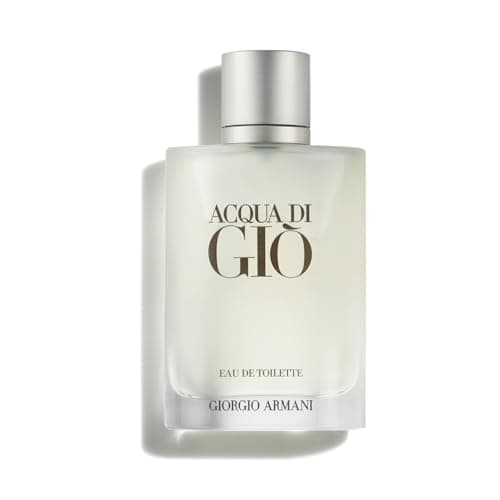
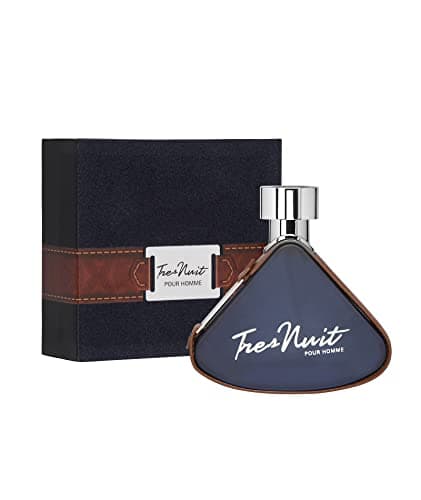
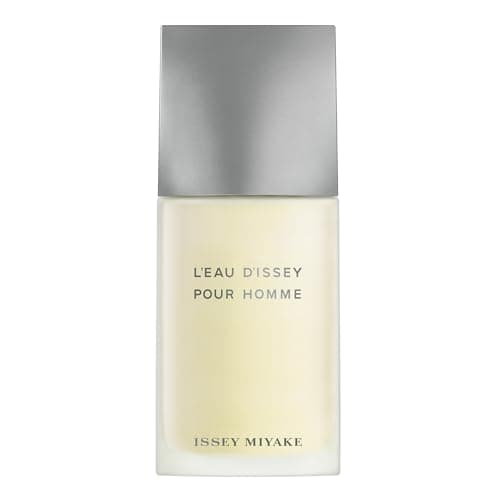
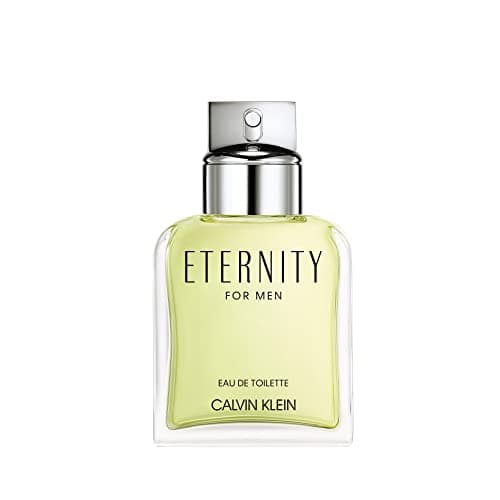
4. Genuinely buyable right now. Every pick below is a mainstream, reliably stocked bottle with a live Amazon listing at time of writing, not a discontinued cult favorite you would have to chase on a resale site. Prices update live on each card — we do not print a number in the prose that can go stale.
The honest answer: nothing is also a correct answer
If you are not confident you can apply fragrance conservatively, wear none. Clean clothes, a shower and an unscented or lightly scented deodorant will never cost you an offer, and no interviewer in history has written "candidate did not smell of anything" in the negative column. The picks below are for the person who wants the small confidence boost of smelling deliberate — not for the person hoping a bottle will do some of the work. It will not.
How we researched this
These rankings compile published note pyramids and concentration data, aggregated owner and community reports on how each bottle actually projects and lasts, and our own impressions where we have genuinely worn the fragrance. We do not run a lab, we have not measured anything in a chamber, and we do not claim to have smelled every batch — our methodology page spells out exactly what our scores are and are not. Every pick keeps its honest cons, including the ones that might make you skip it.
Choosing the bottle is the easy half. Interviews are lost on application, not on selection.
One spray. Possibly two. Never three.
The standard advice of two to four sprays is for normal life, not for a closed room. One spray to the center of the chest, under the shirt, is the whole recommendation — it puts the scent below conversation height so it reads only when someone is genuinely close. A second spray on the chest is acceptable if the fragrance is a weak EDT and the day is long. Nothing on the neck, nothing on the wrists (you will be gesturing and shaking hands), and nothing on the suit, which cannot be laundered between interviews and will hold the scent for weeks. Our spray-count guide covers how this scales by concentration.
Spray ninety minutes before, not on arrival
Every fragrance is at its loudest and least flattering in the first ten minutes, when the alcohol and top notes are still flashing off. Apply before you leave the house, not in the car park. By the time you are in the room the scent has settled into its heart and is doing the quiet, skin-close thing you actually want. The full technique is in our how to apply cologne guide.
Never wear a new bottle to an interview
Fragrance behaves differently on different skin, and the only way to know how a bottle performs on you — how loud it is at hour two, whether it turns sour, whether it gives you a headache in a warm room — is to wear it through a full ordinary day first. Wear your interview scent at least twice before the interview. If you are ordering something new for an interview next week, that is exactly the wrong time to blind buy; buy the bottle you already know, or wear nothing.
Adjust for the room, not for the job title
Warm rooms amplify everything, so drop to one spray in summer or if you know the office runs hot. Remote and video interviews need no fragrance at all. Second and third rounds in the same building are the moment people notice a repeated scent, so keep the same quiet bottle rather than escalating. And if you are interviewing somewhere with a published scent-free policy — common in healthcare, labs and some public-sector buildings — wear nothing and treat that as a rule, not a suggestion.
Budget honestly
There is no interview-day advantage to spending more. Two of the strongest picks here are among the cheapest bottles on the site, because the brief rewards restraint rather than price. The classics further down the list are widely discounted but also frequently listed at full designer money depending on size and seller, so read the live price on the card rather than assuming a bracket — and if the cheap end is where you want to shop, our affordable cologne ranking goes deeper on value.