Cologne Dupes
Cologne Dupes: What Actually Smells Like the Original
Which clones get genuinely close to the icons — and which are just marketing.
Base Note Club is reader-supported. We earn a commission when you buy through our Amazon links, at no extra cost to you. It never changes our verdict — and we say so when the cheaper bottle is the smarter buy. How this works.
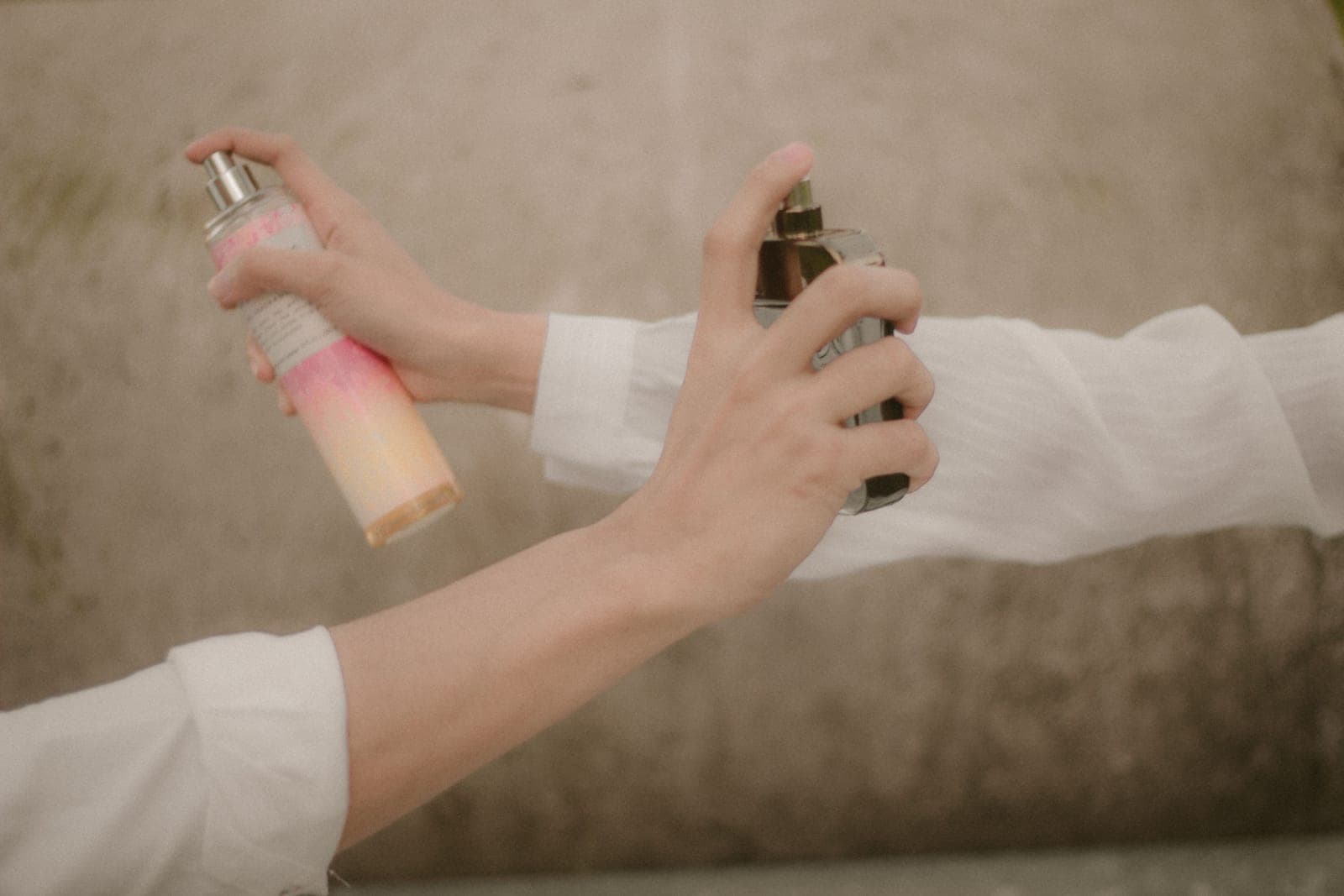
A dupe — short for duplicate, also called a clone — is a fragrance built to smell like a famous, usually expensive original, sold under a different (and usually far cheaper) name. The category has exploded: according to Circana, fragrance dupes and private-label scents surged roughly fifty percent year over year, and it is easy to see why. When a well-made clone gets you most of the way to a pricey icon, the math is hard to argue with.
Are they worth it?
Often, yes — with your eyes open. A good clone is not a knock-off in the counterfeit sense; it is a legitimate fragrance from a legitimate house — frequently one of the Arabian houses like Armaf or Lattafa that have gotten very good at this — that happens to chase a familiar smell. You are not paying for the designer's marketing, bottle design, or boutique, so the same money buys more actual perfume oil. The trade-offs are real, though, and we will always name them: clones often lean on cheaper raw materials, so the top notes can smell a touch synthetic, the dry-down (the final, longest-lasting stage) can lose some of the original's nuance, and the longevity may not fully match.
How we judge "closeness"
This is the part most dupe lists get dishonest about. We do not run a lab, we do not own a gas chromatograph, and we will never pretend a clone is a "100% match" — noses are not that precise and neither are we. Our closeness calls are a considered editorial judgment, compiled from the published note pyramids of both fragrances, their concentration data, and the aggregated reports of owners and the wider fragrance community who have worn both side by side — with first-hand impressions added only where they are genuinely ours. When we say a clone gets close, we mean the overall impression — the accord that makes the original recognizable — is genuinely there. When it does not, we say that too.
Why clones drift from the original
Even an honest, well-intentioned clone will smell a little different from its target, for reasons that have nothing to do with effort:
- IFRA restrictions. The industry body that sets safety limits on fragrance ingredients periodically restricts materials (oakmoss is the classic example). Both originals and clones have to reformulate around those rules, and they do not always land in the same place.
- Cost. Hitting a low price means substituting expensive naturals with cheaper synthetics. That can shift the balance, especially in the fragile top notes.
- Batch variation. Any fragrance — designer or clone — varies a little from batch to batch. Clones, made in higher volumes at lower margins, can vary a little more.
What to look for in a clone
Not every clone is worth your money, so a few rules of thumb save a lot of disappointment. Favor the established Arabian houses — Lattafa, Armaf, Rasasi, Al Haramain — over anonymous no-name sellers; they have reputations to protect and far more consistent quality control. Read for the accord people actually praise, not just a matching note list, because two fragrances can share an ingredient list and still smell nothing alike. And set your expectations at "close, at a fraction of the cost," rather than "identical" — a clone that nails the overall vibe for a fraction of the outlay is a genuine win, whereas chasing a perfect one-to-one copy is how you end up disappointed by every bottle you try.
Our buyer-first rule
On the comparison pages you will notice something deliberate: even when we spend the whole article talking about Creed Aventus or Bleu de Chanel, the buy link always points at a reliably-stocked clone or alternative, never at a marketplace listing of the original. That is on purpose. High-value designer and niche fragrances are among the most counterfeited products online, and a too-good-to-be-true listing of the "real thing" is often a fake that smells like nothing. We would rather send you to a legitimate bottle we can stand behind than to a gamble. Start with our ranked roundup of the best dupes across every icon, then dive into the head-to-head comparisons:
Everything in this hub
All cologne dupes
Roundup
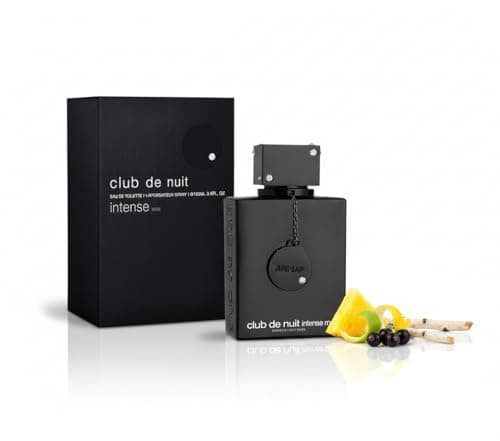
The Best Cologne Dupes
The dupes actually worth buying — the closest, safely-stocked clones of the icons, ranked honestly.
Top pick: Armaf Club de Nuit Intense Man
Comparison
The Best Creed Aventus Clones
The closest, safely-buyable Creed Aventus dupes, ranked honestly.
Top pick: Armaf Club de Nuit Intense Man
Comparison
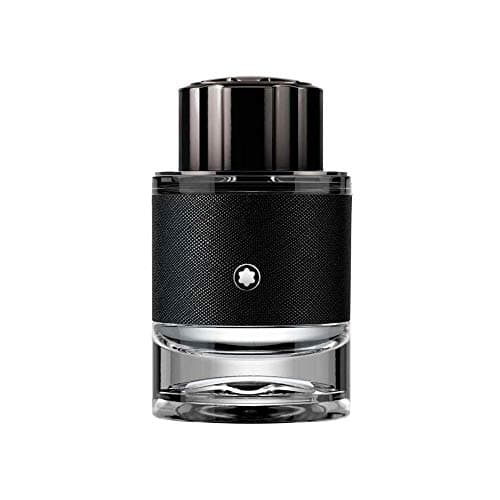
The Best Dior Sauvage Alternatives
Fresh, ambroxan-forward alternatives to the everywhere-scent, ranked.
Top pick: Montblanc Explorer
Comparison
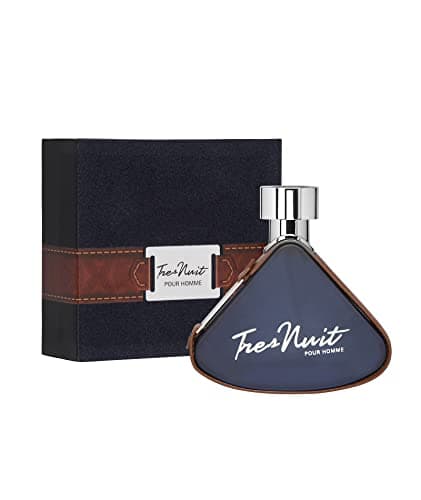
The Best Bleu de Chanel Dupes
Budget citrus-woody stand-ins for Bleu de Chanel, ranked honestly.
Top pick: Armaf Tres Nuit
Roundup
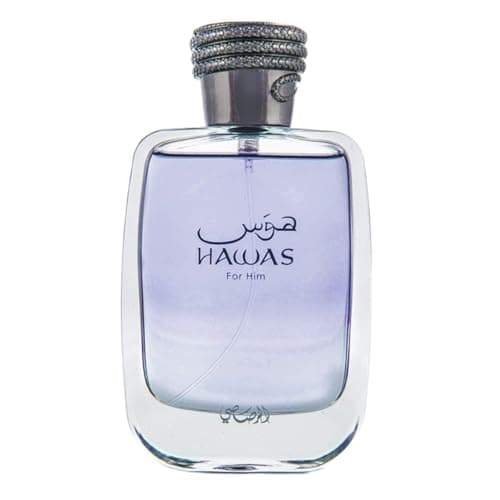
Acqua di Gio Alternatives
Cheaper fresh aquatics that scratch the Acqua di Gio itch — ranked, priced live, with honest limits.
Top pick: Rasasi Hawas For Him
Roundup
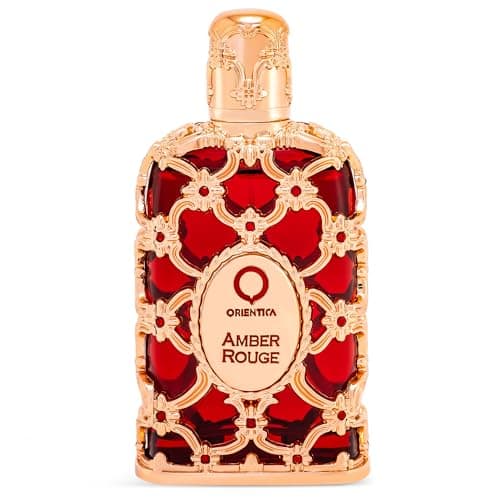
The Best Baccarat Rouge 540 Dupes
The clones that genuinely capture Baccarat Rouge 540 — ranked, priced live, with the honest limits of each spelled out.
Top pick: Orientica Amber Rouge
Roundup
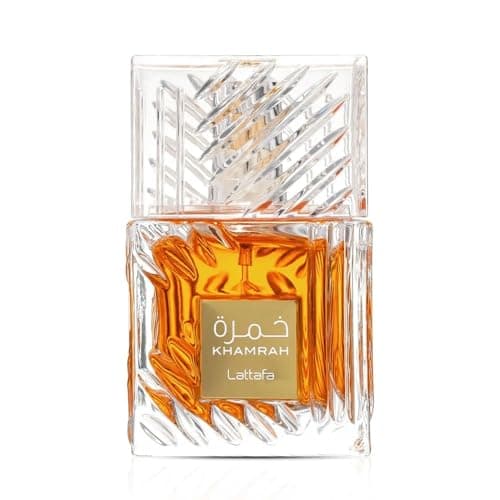
Tobacco Vanille Dupes
The cheap tobacco-vanilla bottles that chase Tom Ford's icon — ranked, priced live, with how close each gets.
Top pick: Lattafa Khamrah