Fragrance Guides
Fragrance Guides
The vocabulary and the basics, explained plainly — no gatekeeping.
Base Note Club is reader-supported. We earn a commission when you buy through our Amazon links, at no extra cost to you. It never changes our verdict — and we say so when the cheaper bottle is the smarter buy. How this works.
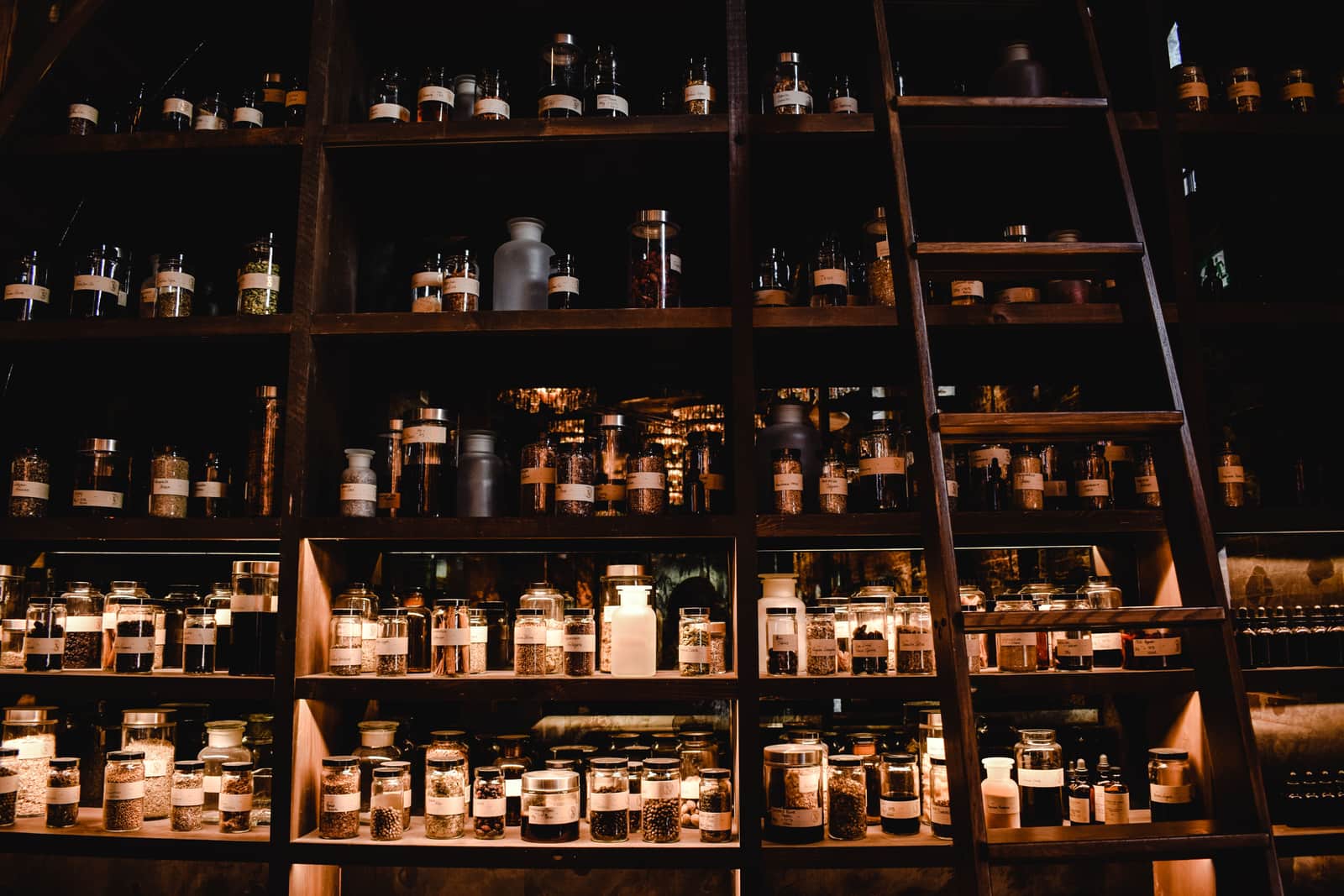
Fragrance has a lot of jargon, and most of it is used to make the hobby sound more exclusive than it is. It is not. Strip away the vocabulary and buying a fragrance well comes down to a few simple ideas — the ones below. These guides exist to hand you that vocabulary in plain English, with no gatekeeping, so you can read any review or product page and know exactly what it is promising.
The words that actually matter
- Notes. The individual smells that make up a fragrance, described in three tiers. Top notes are the first impression and burn off within the first few minutes; heart (or middle) notes carry the body of the scent for a few hours; base notesemerge as it dries down and can linger for eight hours or more. When someone talks about the "dry-down," they mean that final base stage.
- Concentration.How much perfume oil is in the liquid — the difference between an EDT, an EDP, and a parfum. More oil generally means a richer, longer-lasting scent, not a "better" one. This is the single most misunderstood spec, so we gave it its own guide.
- Longevity. How many hours a fragrance lasts on your skin before it fades to nothing.
- Sillage.Pronounced "see-yazh," from the French for a ship's wake — the scent trail you leave behind you as you move.
- Projection.How far the scent radiates from your skin while you are standing still — your scent "bubble." A fragrance can project strongly but leave a small sillage, or the reverse.
Get those five straight and ninety percent of fragrance writing suddenly makes sense.
A few more terms you will bump into
- Concentration ladder. From lightest to heaviest: eau de cologne, eau de toilette (EDT), eau de parfum (EDP), and parfum (or extrait). Each step up usually adds oil, richness, and staying power — and cost.
- Beast mode. Informal praise for a fragrance with huge projection, sillage, and longevity all at once — a lot of scent for your money, though not always the office-friendly choice.
- Reformulation.When a house changes a fragrance's formula over the years, often to meet new ingredient rules or trim costs — which is why an older bottle can smell noticeably different from a fresh one.
What each guide covers
- Cologne vs. perfume — why "cologne" means two different things (a specific light citrus concentration, and the everyday American word for men's fragrance in general), and how not to get tripped up by the label.
- EDT vs. EDP — what those initials stand for, how the concentration ladder works, and when the pricier EDP is worth it versus when the EDT is the smarter buy.
- How to apply cologne — where to spray, how much, whether to rub (do not), and how to make a fragrance last without choking the room.
- Longevity and sillage — why some fragrances vanish in an hour, what makes others last a workday, and how to get more out of what you already own.
- Cologne vs. body spray — why one lasts hours and the other fades in minutes, how both compare to deodorant and aftershave, and when to use each.
- How to store cologne — the heat, light and air that quietly ruin a bottle, where to keep it, whether to refrigerate, and how long cologne really lasts.
- How to spot fake cologne — the packaging, batch-code, price and seller red flags that reveal a counterfeit, and how to buy the real thing safely.
- How to choose a signature scent — a no-pressure method for finding a fragrance that actually feels like you, from scent families to sampling.
- Fragrance families explained — fresh, woody, amber, fougère and gourmand decoded, so a wall of bottles becomes a map you can navigate.
- Fragrance glossary — sillage, projection, flanker, beast mode, batch code and the rest of the vocabulary, in plain English.
- How many sprays of cologne — the right number for your bottle, body and occasion, and how to avoid over-applying.
- Does cologne expire? — how long a bottle really lasts, the signs it has turned, and the storage habits that keep it good for years.
- How to layer fragrances — the rules for combining scents into something personal instead of a muddle.
- Why cologne fades on your skin — the real reasons a scent vanishes by lunch, and the honest fixes, no myths.
- Designer vs niche fragrance — what actually separates them, whether niche is worth it, and how to climb the ladder sensibly.
- Cologne vs aftershave — why one is a fragrance and the other is post-shave skincare, and whether you need both.
- Eau de cologne vs eau de toilette — the concentration difference behind the labels, and which format to buy.
- How to sample cologne before buying — decants, discovery sets and the dry-down wait that save you from bottles of regret.
- How to build a fragrance collection — the roles to fill and the designer-to-niche ladder for a deliberate scent wardrobe.
Head-to-head comparisons
When you have narrowed it down to two bottles, a straight comparison settles it faster than two separate reviews. These pit the scents people actually cross-shop against each other, honestly:
- Dior Sauvage EDT vs EDP — same opening, two different fragrances underneath; which concentration to buy.
- Acqua di Gio vs Dior Sauvage — the marine classic against the modern best-seller.
- Dior Sauvage vs Bleu de Chanel — the two designer titans men weigh against each other most.
- 1 Million vs Invictus — sweet-spicy gold bar against sporty fresh trophy.
- YSL Y vs Dior Sauvage — two modern fresh designers, the sharp aromatic against the ambroxan best-seller.
- Nautica Voyage vs Acqua di Gio — the sub-$20 aquatic against the icon; is the cheap one enough?
- Le Male vs 1 Million — the vanilla-lavender classic against the spicy-leather gold bar.
- Spicebomb vs Spicebomb Extreme — the spicy original against its warmer, heavier winter flanker.
- Luna Rossa Carbon vs Black — the fresh, metallic year-rounder against the warm, powdery winter Prada.
- Le Beau vs Le Male — the creamy coconut summer scent against the sweet-fougère Gaultier icon.
- Gucci Guilty vs Dior Sauvage — the warm, easygoing everyday designer against the fresh-spicy powerhouse.
- Dior Homme Intense vs Sauvage — Dior's refined powdery iris against its universal fresh best-seller.
- Armani Code vs Acqua di Gio — the warm sweet-spicy night scent against the fresh aquatic icon.
- Le Male vs La Nuit de l'Homme — two date-night icons: sweet and loud against spicy and refined.
- Eros vs Eros Flame — the sweet minty blue Versace against the spicier, warmer red one.
- Stronger With You vs 1 Million — cozy chestnut-vanilla warmth against brash spicy leather.
- Montblanc Explorer vs Sauvage — the smoky vetiver value pick against the household-name icon.
- Bvlgari Aqva vs Acqua di Gio — the two designer aquatics men mix up most, side by side.
How the basics change what you buy
These are not trivia. Knowing that concentration means intensity and not quality stops you from overpaying for a parfum when an EDT would serve you better. Knowing how climate and skin chemistry interact with a scent family stops you from buying a heavy winter amber you will never wear in July. Knowing the difference between projection and longevity stops you from returning a "weak" fragrance that was actually just close to the skin — exactly where an office scent belongs. Read a couple of these, then head to our scent-profile guides or the flagship ranking and buy from a place of actually knowing what you are choosing.
Everything in this hub
All fragrance guides
Guide
Cologne vs Perfume: What's Actually the Difference?
The real difference between cologne and perfume, with a clear concentration table.
Read the guide →Guide
EDT vs EDP: Which Concentration Should You Buy?
EDT vs EDP made simple — what the concentrations mean and when to pick each.
Read the guide →Guide
How to Apply Cologne Properly
A simple, correct routine for applying cologne — pulse points, distance, spray count.
Read the guide →Guide
Longevity, Sillage & Projection: The Fragrance Vocabulary
Longevity, sillage and projection defined plainly, plus how to make a scent last.
Read the guide →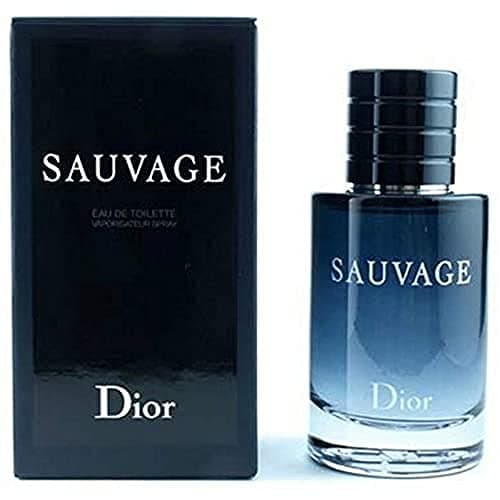
Comparison
Dior Sauvage EDT vs EDP
The bright EDT vs the warm, sweeter EDP — which Sauvage concentration fits you.
Top pick: Dior Sauvage EDT
Comparison
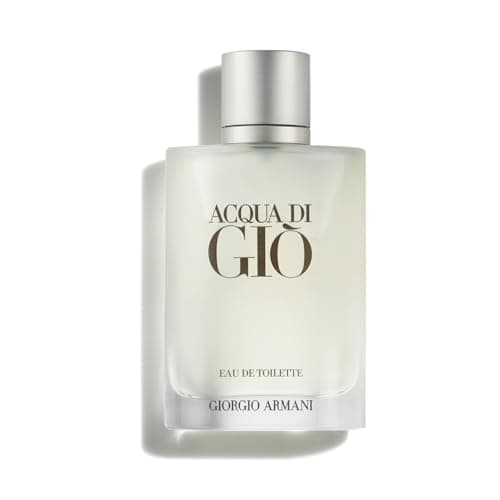
Acqua di Gio vs Dior Sauvage
The salty marine classic vs the radiant ambroxan best-seller — which fresh icon to buy.
Top pick: Armani Acqua di Gio
Comparison
Dior Sauvage vs Bleu de Chanel
The radiant crowd-pleaser vs the refined citrus-woody icon — which titan to buy.
Top pick: Dior Sauvage EDT
Comparison
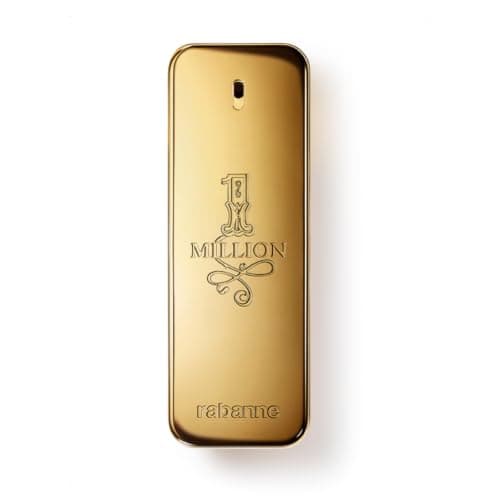
Paco Rabanne 1 Million vs Invictus
The sweet-spicy 1 Million against the sporty-fresh Invictus — which Paco Rabanne to buy.
Top pick: Paco Rabanne 1 Million
Comparison
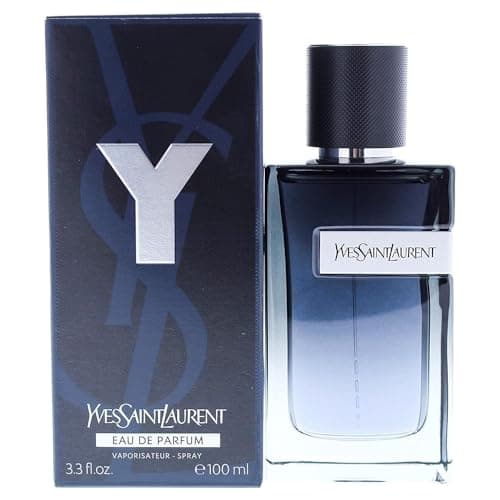
YSL Y vs Dior Sauvage
The clean-aromatic YSL Y against the world-conquering Sauvage — which fresh designer to buy.
Top pick: YSL Y Eau de Parfum
Comparison
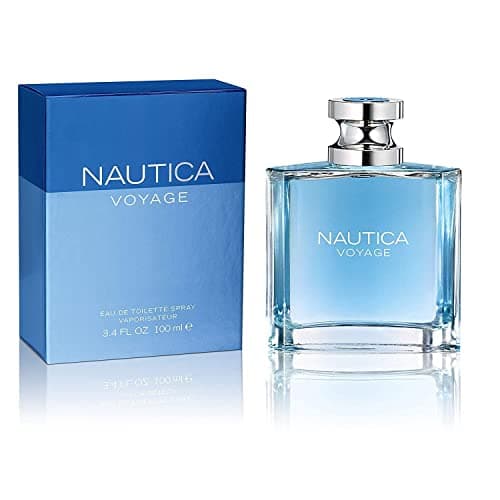
Nautica Voyage vs Acqua di Gio
The budget aquatic vs the genre-defining classic — is the cheap one good enough?
Top pick: Nautica Voyage
Guide
Cologne vs Body Spray
What really separates cologne from body spray — and how both compare to deodorant and aftershave.
Read the guide →Guide
How to Store Cologne
The simple rules that keep a fragrance smelling right for years — and the mistakes that ruin one.
Read the guide →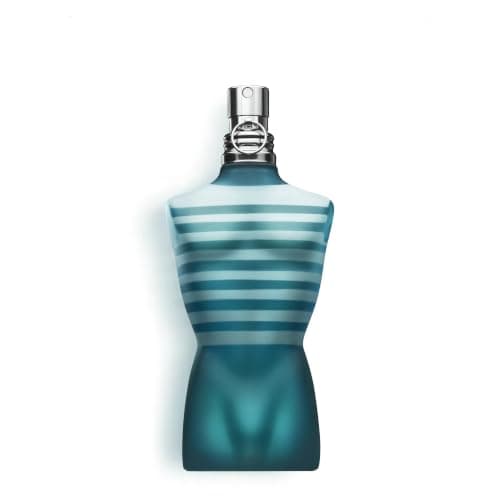
Comparison
Le Male vs 1 Million
The vanilla-lavender Le Male against the spicy-leather 1 Million — which sweet icon to buy.
Top pick: Jean Paul Gaultier Le Male
Comparison
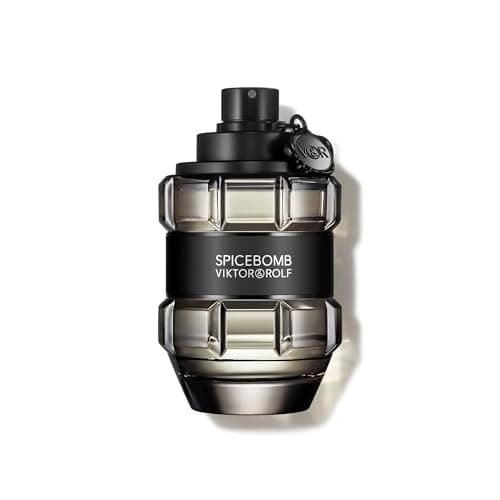
Spicebomb vs Spicebomb Extreme
The bright spicy original vs the warm, heavy Extreme flanker — which grenade to buy.
Top pick: Viktor&Rolf Spicebomb
Guide
How to Spot Fake Cologne
The practical red flags that reveal a counterfeit fragrance — and how to buy the real thing safely.
Read the guide →Guide
How to Choose a Signature Scent
A simple method for finding a fragrance that feels like you — families, sampling, lifestyle and climate.
Read the guide →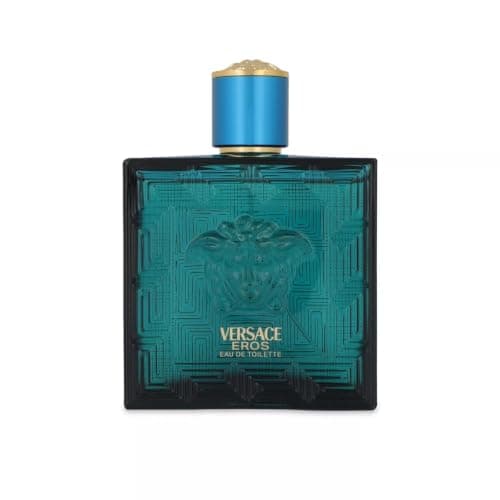
Comparison
Versace Eros vs Dylan Blue
Versace's two biggest fragrances compared: Eros the sweet evening magnet, Dylan Blue the fresh daily — which slot does your wardrobe need?
Top pick: Versace Eros
Comparison
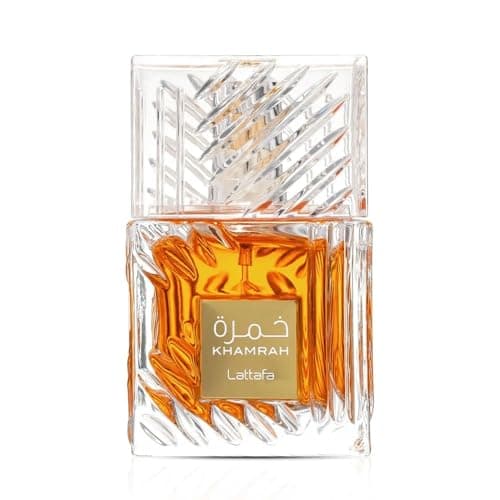
Lattafa Khamrah vs Asad
The two Lattafa fragrances everyone starts with, compared: Khamrah's cinnamon-date sweetness vs Asad's spicy mass appeal.
Top pick: Lattafa Khamrah
Comparison
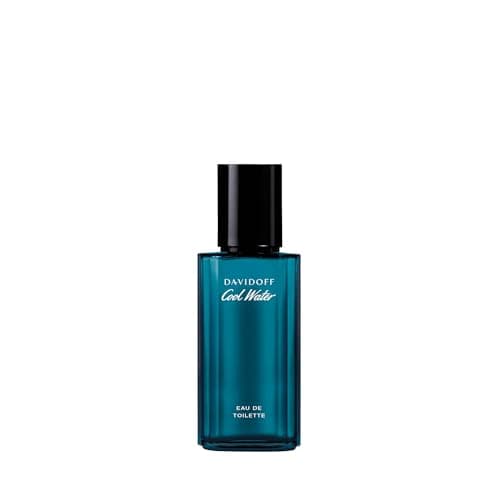
Cool Water vs Nautica Voyage
The two kings of cheap fresh compared: Cool Water's aromatic marine heritage vs Voyage's easy green-apple modernity.
Top pick: Davidoff Cool Water
Comparison
Dior Sauvage vs Versace Eros
The fresh benchmark vs the sweet night king: how the two giants actually differ, and which one belongs in your wardrobe.
Top pick: Dior Sauvage EDT
Guide
How Long Does Cologne Last?
The honest numbers: how many hours each concentration and family really gives you, and how many years a bottle stays good.
Read the guide →Guide
How to Make Cologne Last Longer
Seven real fixes for short-lived cologne — hydrated skin, smart placement, the pocket atomizer — and the popular myths debunked.
Read the guide →Guide
Fragrance Notes Explained
Top, heart and base notes decoded — what bergamot, ambroxan and tonka actually smell like, and how to predict a scent from its pyramid.
Read the guide →
Guide
Clone Fragrance Houses Explained
How clone houses work: the legality, the real quality gaps, the houses worth trusting — and when the original is still worth it.
Read the guide →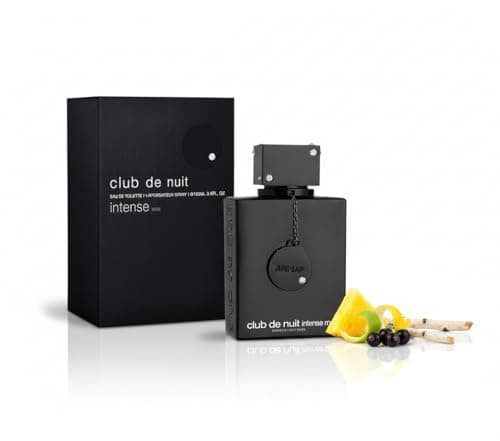
Comparison
Creed Aventus vs Club de Nuit Intense Man
The famous smoky-pineapple original against its sub-$30 stand-in: how close Club de Nuit gets to Aventus, and which one to actually buy.
Top pick: Armaf Club de Nuit Intense Man
Comparison
Creed Aventus vs Dior Sauvage
Creed's smoky-pineapple legend against the world's best-selling designer fresh: how they differ, and which bottle to actually buy.
Top pick: Dior Sauvage EDT
Guide
Fragrance Families Explained
Fresh, floral, amber, woody, fougère and gourmand — the scent families decoded, with a real fragrance for each so you can find your lane.
Read the guide →Guide
Fragrance Glossary
The fragrance vocabulary in plain English — every term you'll hit in a review or forum thread, defined without the jargon.
Read the guide →Guide
How Many Sprays of Cologne Should You Use?
The simple spray rule of thumb, adjusted for concentration, scent strength and occasion — plus where to spray and how to avoid overdoing it.
Read the guide →Guide
Does Cologne Expire?
How long cologne really lasts, the signs a bottle has gone off, and the storage habits that keep a fragrance good for years.
Read the guide →Guide
How to Layer Fragrances
The simple rules for combining scents — which families pair, how to start, and the mistakes that turn layering into a muddle.
Read the guide →Guide
Designer vs Niche Fragrance
What actually separates designer from niche, whether niche is worth it, and how to climb from one to the other without overpaying.
Read the guide →Guide
Why Does Cologne Fade Fast on My Skin?
The real reasons cologne fades fast — skin chemistry, dry skin, concentration and nose blindness — and the honest fixes, without the myths.
Read the guide →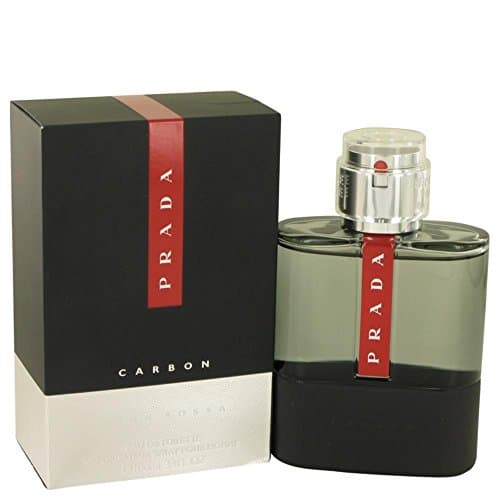
Guide
Prada Luna Rossa Carbon vs Black
The fresh, metallic Carbon against the warm, powdery Black — how the two Luna Rossas differ and which to buy for your climate and wardrobe.
Top pick: Prada Luna Rossa Carbon
Guide
Le Beau vs Le Male
The creamy coconut Le Beau against the sweet-vanilla Le Male icon — how the two Gaultiers differ and which fits your season and taste.
Top pick: Jean Paul Gaultier Le Male
Guide
Gucci Guilty vs Dior Sauvage
The warm, easy Gucci Guilty against the powerhouse fresh-spicy Dior Sauvage — how they differ on scent, performance and value, and which to buy.
Top pick: Dior Sauvage EDT
Comparison
Dior Sauvage vs Paco Rabanne 1 Million
The clean peppery everyday default vs the brash spicy-leather night scent: how they differ, and which one your wardrobe needs.
Top pick: Dior Sauvage EDT
Comparison
Acqua di Gio vs Cool Water
Designer marine icon vs the cheap aquatic that started the genre: nearly the same idea at very different prices, and which is worth it.
Top pick: Armani Acqua di Gio
Comparison
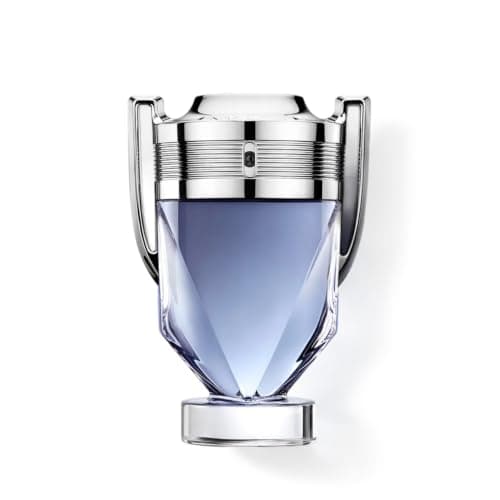
Paco Rabanne Invictus vs Versace Eros
Sporty grapefruit-marine freshie vs sweet minty club beast: more range or more power, and which one matches the rooms you actually go out in.
Top pick: Paco Rabanne Invictus
Comparison
YSL Y vs La Nuit de L'Homme
Versatile clean daily vs intimate date-night classic: two YSL designers that answer different questions, and which to buy first.
Top pick: YSL Y Eau de Parfum
Comparison
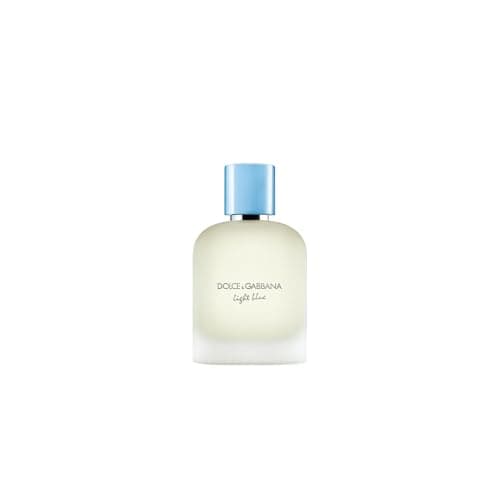
Light Blue Pour Homme vs Acqua di Gio
Sparkling citrus vs salty marine: two Italian summer icons compared, including why the Light Blue on shelves now is not quite the 2007 original.
Top pick: Dolce&Gabbana New Light Blue Pour Homme
Comparison
Club de Nuit Intense Man vs Rasasi Hawas
Smoky Aventus clone vs fresh all-day crowd-pleaser: the two budget-Arabian kings compared, plus the dupe economics behind them.
Top pick: Armaf Club de Nuit Intense Man
Comparison
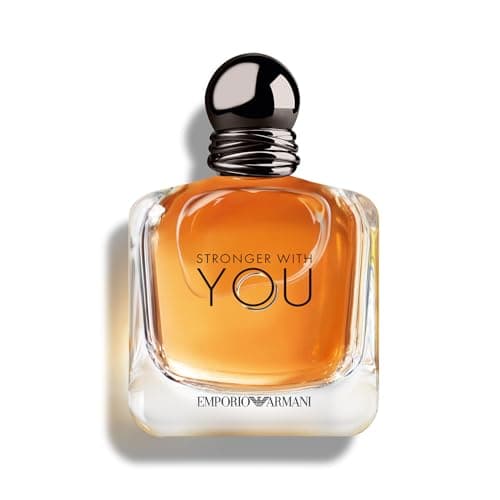
Stronger With You vs Le Male
Modern chestnut-vanilla sweet vs the classic sweet fougère: two cold-weather compliment machines compared, and which suits your age and taste.
Top pick: Emporio Armani Stronger With You
Comparison
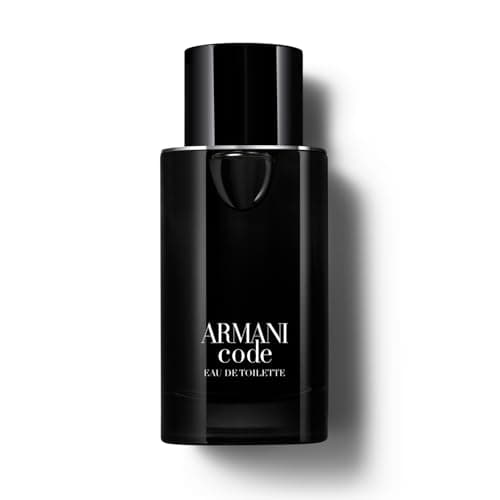
Armani Code vs Paco Rabanne 1 Million
Refined close-up seducer vs loud recognizable statement: two date-night schools compared, and how to match one to the rooms you go out in.
Top pick: Armani Code
Comparison
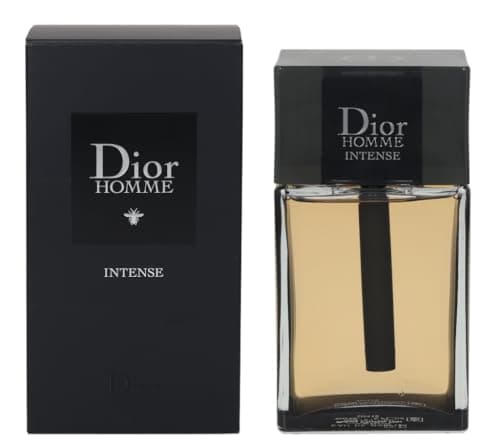
Dior Homme Intense vs Dior Sauvage
Dior's grown-up powdery iris against its universal fresh best-seller — which of the two Diors is for you.
Top pick: Dior Homme Intense
Comparison
Armani Code vs Acqua di Gio
Armani's warm sweet-spicy seducer against its fresh aquatic icon — which Armani belongs in your rotation.
Top pick: Armani Code
Comparison
Le Male vs La Nuit de l'Homme
Jean Paul Gaultier Le Male against YSL La Nuit de l'Homme — the two default date-night scents, compared.
Top pick: Jean Paul Gaultier Le Male
Comparison
Versace Eros vs Eros Flame
Versace's blue Eros against the red Eros Flame — the sweet club scent vs the spicier, more grown-up sibling.
Top pick: Versace Eros
Comparison
Stronger With You vs 1 Million
Armani Stronger With You's warm chestnut-vanilla against 1 Million's brash spicy leather — the sweet-scent showdown.
Top pick: Emporio Armani Stronger With You
Comparison
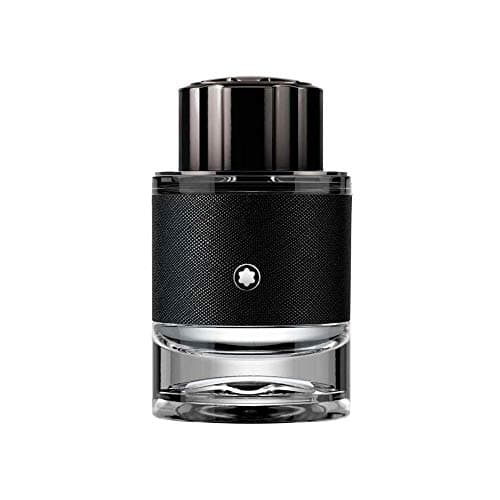
Montblanc Explorer vs Dior Sauvage
Montblanc Explorer's smoky vetiver-leather against Dior Sauvage's fresh ambroxan — value pick or the icon?
Top pick: Montblanc Explorer
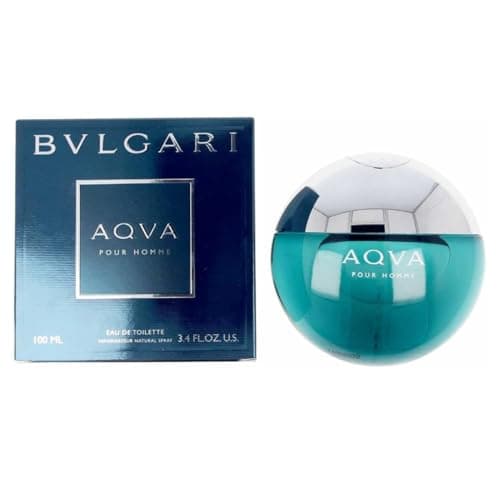
Comparison
Bvlgari Aqva vs Acqua di Gio
Bvlgari Aqva's mineral seaweed marine against Acqua di Gio's citrus benchmark — the two aquatics, compared.
Top pick: Bvlgari Aqva Pour Homme
Guide
Cologne vs Aftershave: What's the Difference?
Cologne is a fragrance built to last; aftershave is post-shave skincare that barely smells. When to use each.
Read the guide →Guide
Eau de Cologne vs Eau de Toilette
EDC is a light citrus splash; EDT is a stronger, longer-lasting everyday format. The difference, made simple.
Read the guide →Guide
How to Sample Cologne Before You Buy
Decants, discovery sets, skin vs paper, and the dry-down wait — how to test a fragrance before committing.
Read the guide →Guide
How to Build a Fragrance Collection
The roles to fill, the designer-to-niche ladder, and how to build a scent wardrobe without wasting money.
Read the guide →Comparison
Sauvage vs Sauvage Elixir
Dior's everyday ambroxan EDT against the dense, spicy Elixir parfum — the versatile icon or the cold-weather beast.
Top pick: Dior Sauvage EDT
Comparison
YSL Y vs MYSLF
YSL Y EDP's sharp fresh-aromatic against MYSLF's soft orange-blossom floral — which modern YSL to buy.
Top pick: YSL Y Eau de Parfum
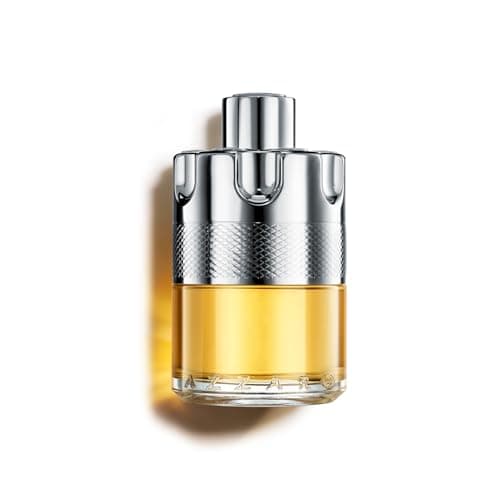
Comparison
Azzaro Wanted vs The Most Wanted
Azzaro Wanted's bright spicy-fresh against The Most Wanted's boozy toffee amber — which Azzaro to buy.
Top pick: Azzaro Wanted
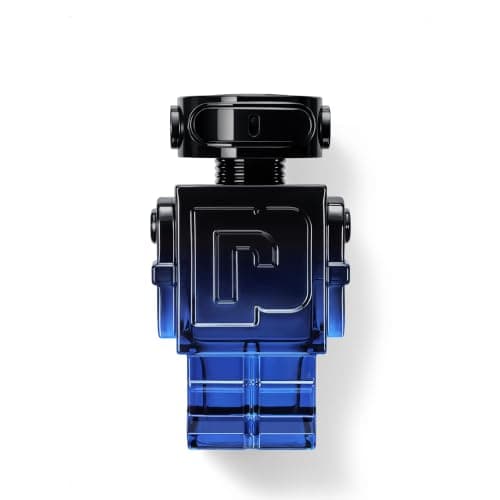
Comparison
Phantom vs Invictus
Rabanne Phantom Intense's warm, long-lasting lavender-vanilla against Invictus's sporty grapefruit-marine — which to buy, and when.
Top pick: Rabanne Phantom Intense
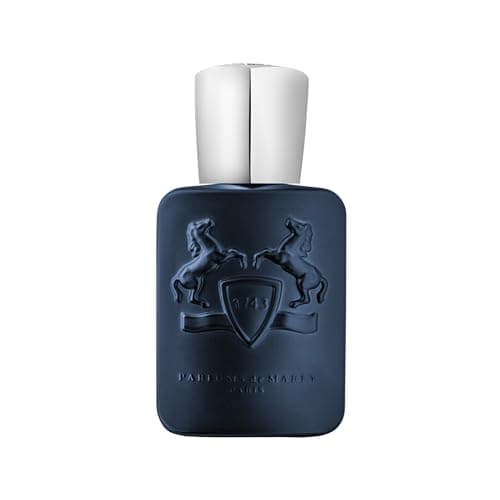
Comparison
Layton vs Sauvage
Parfums de Marly Layton's rich niche warmth against Dior Sauvage's designer freshness — is the upgrade worth roughly 3x?
Top pick: Parfums de Marly Layton
Comparison
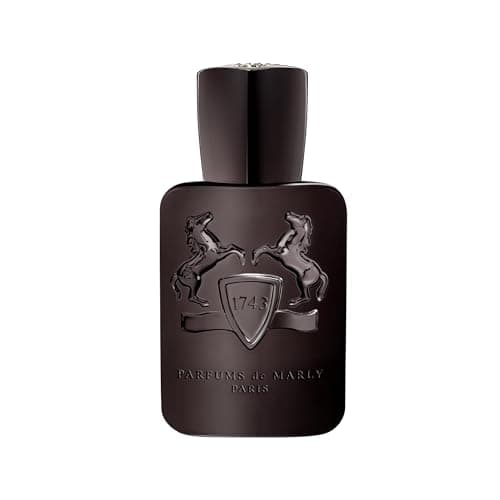
Herod vs Khamrah
Parfums de Marly Herod's niche tobacco-vanilla against Lattafa Khamrah's viral budget cinnamon-vanilla — the honest dupe economics.
Top pick: Parfums de Marly Herod
Comparison
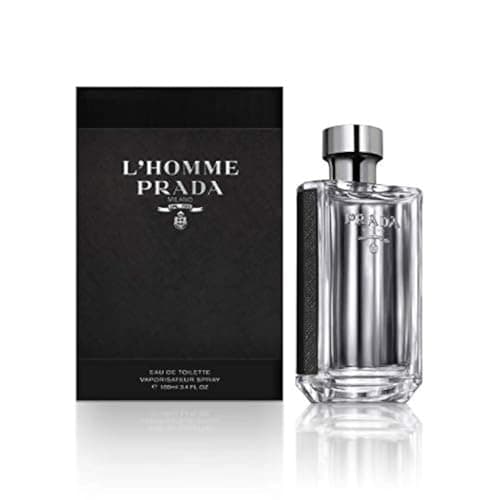
Prada L'Homme vs Dior Homme Intense
Prada L'Homme's soft, versatile powdery iris against Dior Homme Intense's rich, formal iris-and-cocoa — which refined scent to buy.
Top pick: Prada L'Homme
Comparison
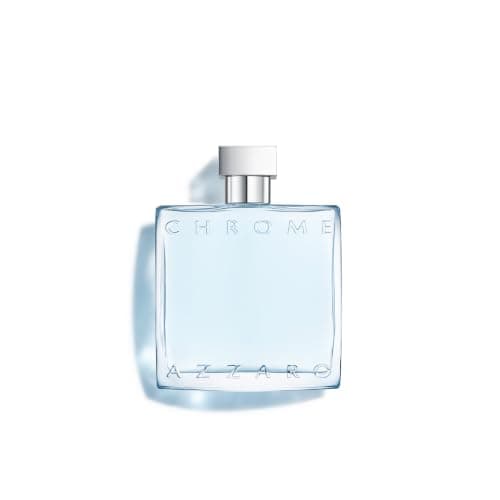
Chrome vs Acqua di Gio
Azzaro Chrome's soapy citrus against Acqua di Gio's salty marine — two 1996 summer classics compared.
Top pick: Azzaro Chrome
Comparison
Layton vs Herod
Parfums de Marly Layton's sweet apple-lavender-vanilla against Herod's cinnamon-tobacco-vanilla depth — the niche head-to-head.
Top pick: Parfums de Marly Layton
Comparison
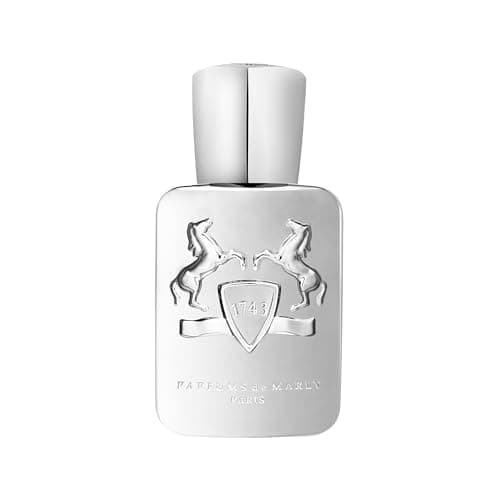
Layton vs Stronger With You
Parfums de Marly Layton's niche polish against Armani Stronger With You's designer chestnut-vanilla — is the upgrade worth it?
Top pick: Parfums de Marly Layton
Comparison
Pegasus vs Le Beau
Parfums de Marly Pegasus's almond-vanilla comfort against JPG Le Beau's coconut-tonka tropical — the creamy-sweet head-to-head.
Top pick: Parfums de Marly Pegasus
Comparison
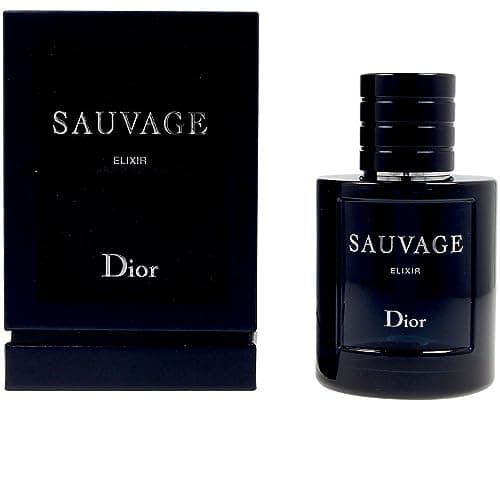
Sauvage Elixir vs Spicebomb Extreme
Dior Sauvage Elixir's dense spicy-lavender parfum against Spicebomb Extreme's pepper-tobacco-vanilla — the winter powerhouse head-to-head.
Top pick: Dior Sauvage Elixir
Comparison
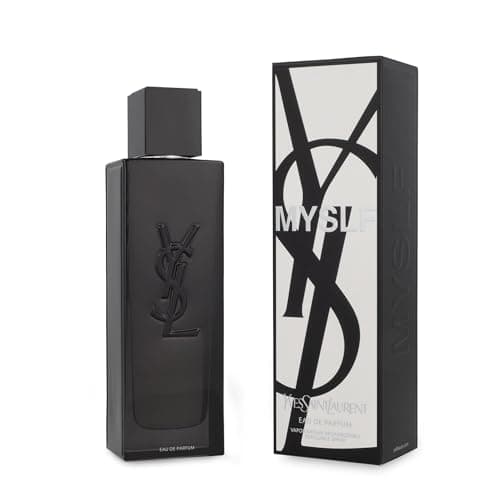
MYSLF vs Dior Sauvage
YSL MYSLF's modern orange-blossom fresh against Dior Sauvage's ambroxan icon — distinctive versus universal.
Top pick: YSL MYSLF Eau de Parfum
Comparison
Phantom vs Le Male
Rabanne Phantom Intense's modern orange-blossom-lavender-vanilla against JPG Le Male's classic sweet vanilla-caramel fougere.
Top pick: Rabanne Phantom Intense
Comparison
Prada L'Homme vs Luna Rossa Carbon
Prada L'Homme's powdery iris-and-neroli elegance against Luna Rossa Carbon's cool metallic fresh — the Prada internal pick.
Top pick: Prada L'Homme
Comparison
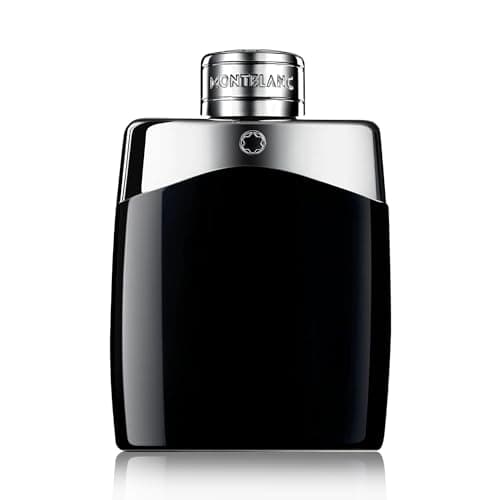
Mont Blanc Legend vs Explorer
Mont Blanc Legend's soapy-fresh fougere against Explorer's vetiver-forward woody-fresh — the affordable Montblanc head-to-head.
Top pick: Montblanc Legend
Comparison
Chrome vs Cool Water
Azzaro Chrome's soapy citrus against Davidoff Cool Water's genre-defining aquatic — two clean, cheap fresh classics compared.
Top pick: Azzaro Chrome
Comparison
Eros Parfum vs Eros
Versace Eros Parfum's deeper, smokier cold-weather take against the loud, sweet original Eros EDT — which Eros to buy.
Top pick: Versace Eros Parfum
Comparison
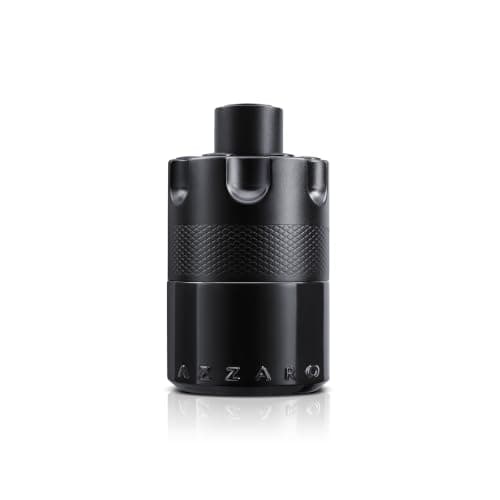
Azzaro The Most Wanted vs Stronger With You
Azzaro The Most Wanted's boozy toffee amber against Armani Stronger With You's chestnut-vanilla — two sweet-spicy compliment-getters.
Top pick: Azzaro The Most Wanted
Comparison
Azzaro Wanted vs 1 Million
Azzaro Wanted's easy spicy-woody versatility against 1 Million's brash spicy-sweet gold-bar loudness.
Top pick: Azzaro Wanted
Comparison
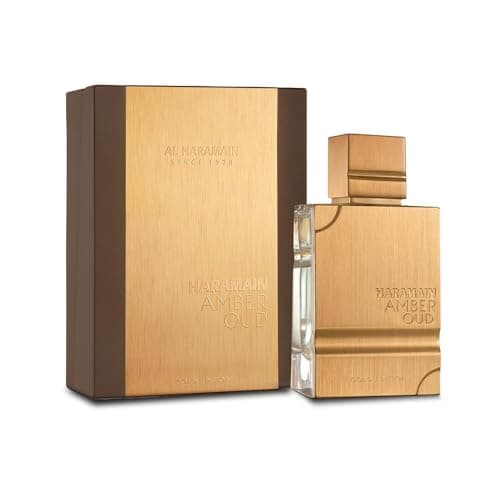
Amber Oud Gold vs Ruby
Al Haramain's two most-bought Amber Ouds compared — the fruity-sweet Gold against the saffron-amber Ruby, and why the shared name misleads.
Top pick: Al Haramain Amber Oud Gold Edition
Comparison
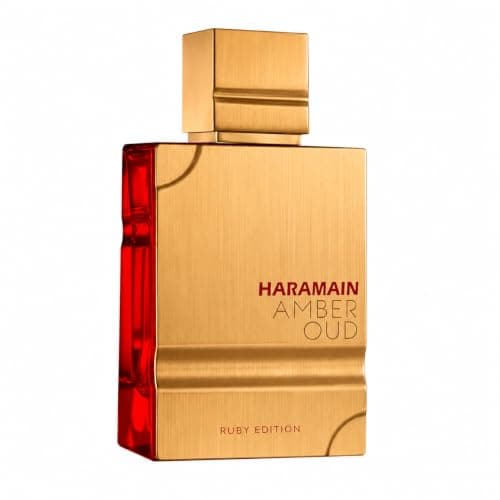
Amber Oud Rouge vs Ruby Edition
Rouge or Ruby? The closer Baccarat Rouge 540 clone against the smoother, cheaper sibling — published pyramids, owner reports and honest cons on both.
Top pick: Al Haramain Amber Oud Ruby Edition
Guide
Cologne Gift Sets vs Bottles
When a holiday gift set is a real discount and when it is a smaller bottle at a markup — plus the ten-second check.
Top pick: Versace Eros
Guide
The Designer-to-Niche Discovery Ladder
A five-step route from budget to niche, what each rung teaches, and the honest advice to stop climbing when it stops paying.
Top pick: Nautica Voyage
Guide
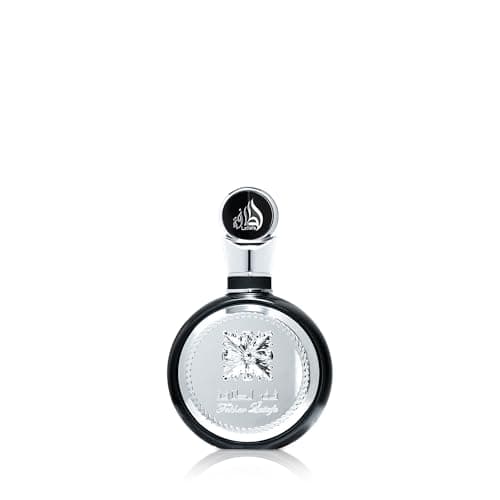
Decants vs Discovery Sets
Decants, official sets and marketplace vial lots compared on cost per ml and authenticity risk — and which suits you.
Top pick: Lattafa Fakhar (Men)
Guide
Is Expensive Cologne Worth It?
What the extra money actually buys in fragrance, where the price curve flattens, and three bottles that show the ladder.
Top pick: Armaf Club de Nuit Intense Man
Guide
What Is Ambroxan?
The synthetic amber molecule behind Dior Sauvage and half the designer shelf — what it smells like and why it is everywhere.
Top pick: Dior Sauvage EDT
Guide
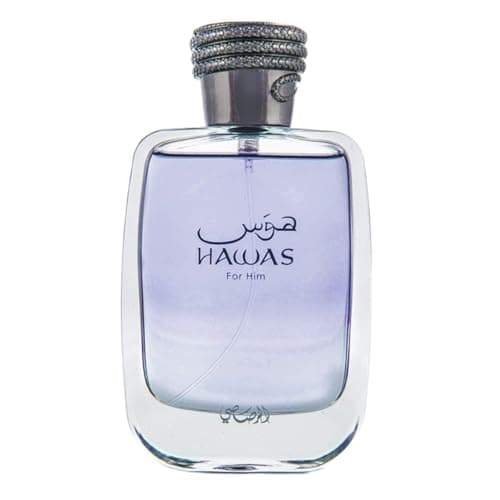
What Size Cologne Can You Take on a Plane?
The TSA size limit for cologne, which common bottle sizes pass, and what to pack instead of your main bottle.
Top pick: Rasasi Hawas For Him
Guide
Cologne vs Deodorant
What deodorant and cologne each actually do, why they clash, and the order to apply them in.
Top pick: Davidoff Cool Water
Guide
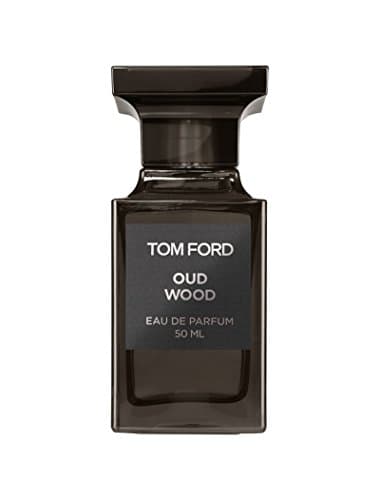
What Does Oud Smell Like?
What real oud smells like, why most oud colognes contain none of it, and the bottles that teach you the accord.
Top pick: Tom Ford Oud Wood
Guide
What Is a Flanker Fragrance?
What Elixir, Intense and Parfum actually mean on a bottle — and the three cases where the flanker beats the original.
Top pick: Dior Sauvage Elixir
Guide
Why Does Cologne Smell Different on Me?
Skin oil, pH, diet and nose blindness — what actually changes a fragrance on your skin, and what does not.
Top pick: Nautica Voyage
Guide
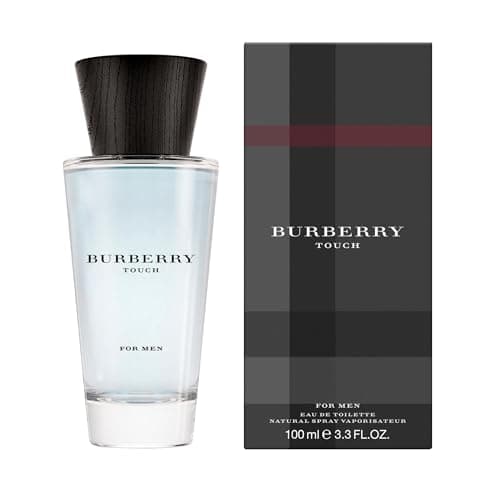
Is Cologne Bad for Your Skin?
Why cologne burns and irritates, what the alcohol and the allergens actually do, and how to wear fragrance without it.
Top pick: Burberry Touch for Men
Guide
Do Pheromone Colognes Work?
The evidence on human pheromones, why pheromone cologne claims do not hold up, and what gets attention instead.
Top pick: Emporio Armani Stronger With You
Guide
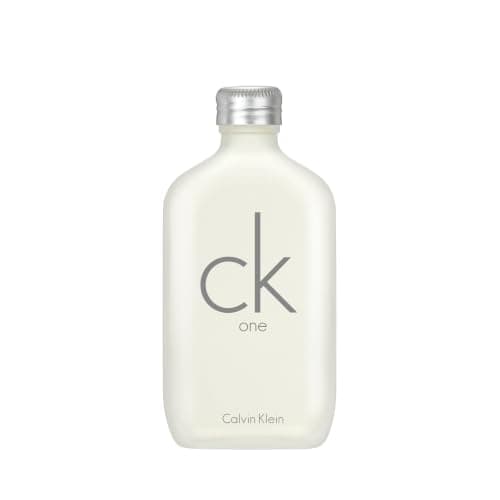
Does Cologne Stain Clothes?
Which fragrances mark fabric, why silk and light colors are the risk, and how to spray without ruining a shirt.
Top pick: Calvin Klein CK One