What a "compliment scent" actually is
A compliment scent is a fragrance with a high compliment-per-wearing rate: put it on, go out, and a stranger or a friend says something about it more often than the bottle in the next slot over. It is a real, measurable-in-aggregate phenomenon, and it is not the same as "the best fragrance." The scents that make people speak up share a family resemblance — they are mostly warm and sweet, they lean on notes the human brain is wired to like (vanilla, cinnamon, caramel, tonka), and they project enough that someone at conversation distance actually registers them. Refined, quiet, close-to-skin masterpieces earn respect. Sweet, loud crowd-pleasers earn comments. This page ranks the second kind.
The honest caveat, up front
There is a catch built into the whole idea, and anyone who sells you a "guaranteed compliment monster" without it is doing you a disservice. The traits that make a fragrance pull compliments — sweetness, projection, popularity — are the same traits that make it common, situational and occasionally too much. A scent that gets you three compliments on a Friday night can be exactly the wrong choice for a quiet Monday office, where the same projection reads as "who is wearing all that" instead of "what is that, it's great." Many of these are also best-sellers, which means the compliments come partly because the scent is familiar and well-liked, not because it is unique to you. Compliments are a setting-dependent, crowd-pleasing outcome, not a measure of quality — keep that straight and this list is genuinely useful.
How we picked
We do not run a lab and we did not stop strangers with a clipboard — anyone claiming a hard compliment count is guessing with a straight face. What we can do is compile the consensus. For every bottle we start from the published note pyramid and the concentration the house lists, because the sweet, warm, projecting materials that earn comments behave predictably. Then we read the aggregated owner and community reports on the big fragrance databases, paying specific attention to the recurring "got complimented" and "someone asked what I was wearing" threads that cluster around certain bottles far more than others, alongside the longevity and sillage chatter that tells you whether the scent is even in the room long enough to be noticed. We weight that consensus against a plain rubric — how reliably the compliments show up, how sweet and loud the scent runs, how common it has become — and rank from there. Every judgment on every card is editorial, drawn from that compiled research, not a measurement.
The reliable crowd-pleasers — where to start
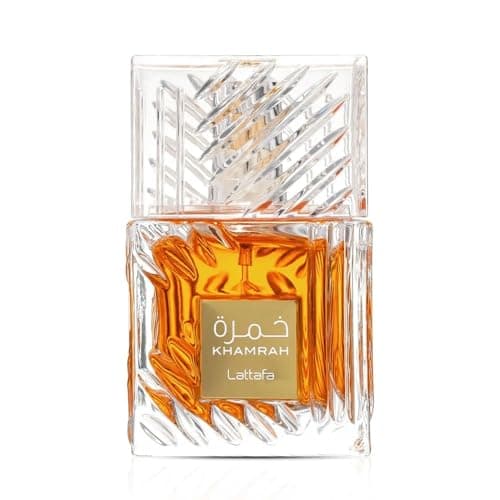
The top of the list is the safest bet if what you want is the highest odds of a comment. The number-one pick is a house's outright compliment machine: a spicy-sweet chestnut-and-vanilla scent that people genuinely stop to ask about and that throws for hours, which is rare for its format. Just behind it sits a viral spiced-vanilla gourmand that smells far more expensive than it costs, a cinnamon-and-dates warmth that pulls comments in cold weather and reads unisex. These are the picks with the shortest odds. The tradeoffs are exactly what you would expect: both run sweet and heavy, both are wrong for hot weather or a formal office, and the first is now common enough that a sharp nose will clock it. If you want maximum compliments and do not mind smelling like the trend, buy from here.
The proven classics — compliments with a track record
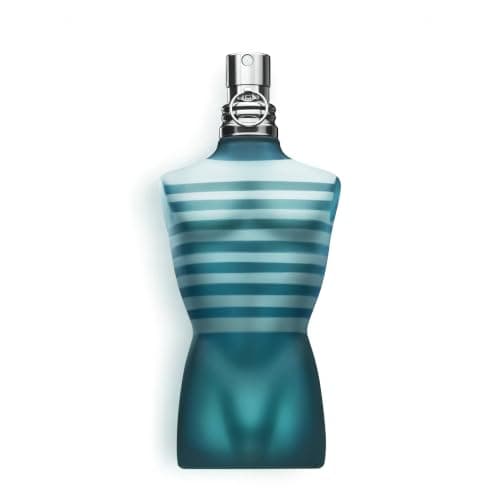
The middle of the ranking is where the compliment reputation is decades deep. A 1995 sailor-bottle icon whose sweet vanilla-lavender still earns comments thirty years on; a mint-and-green-apple gourmand beast that fills a room and has been a going-out staple for a generation. These are not subtle and they are not new, but their compliment pedigree is about as proven as it gets. The honest notes: the classic is sweet and instantly recognizable, so some people find it dated rather than delightful, and the beast is loud and young enough that it is a fantastic bar scent and a poor boardroom one. Wear them where their volume is a feature, not a liability.
The close-range charmers — compliments up close
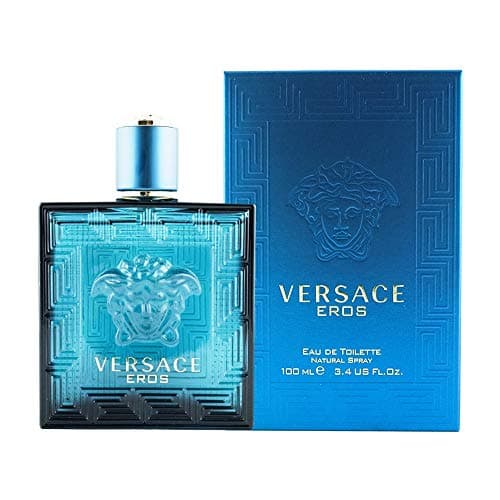
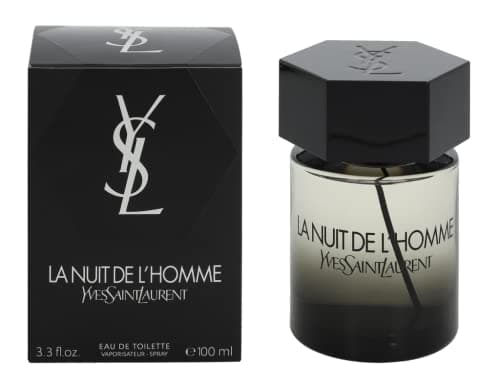
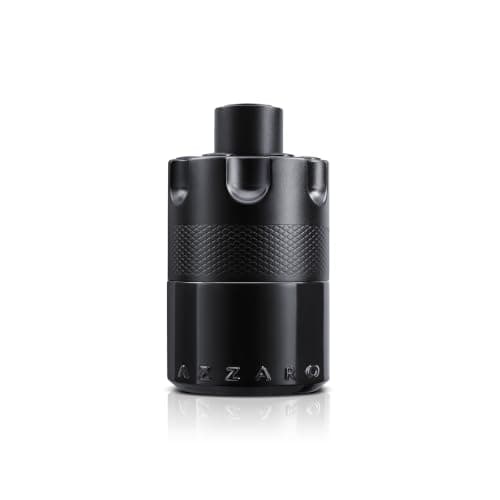
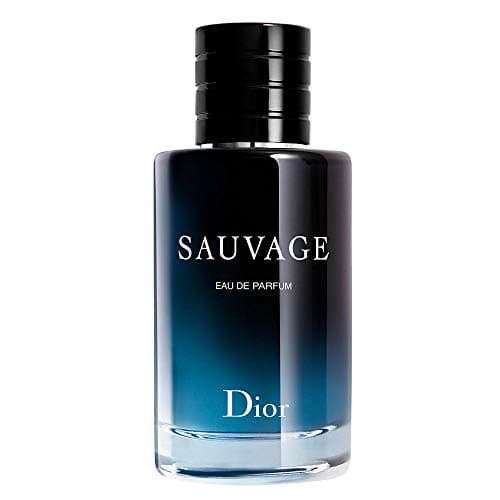
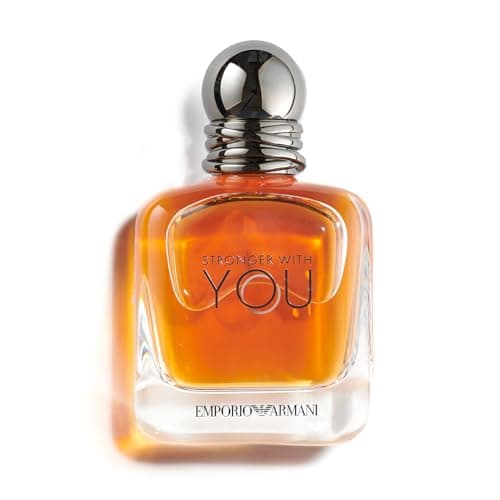
Not every compliment comes from across a room. The bottom of this list is for the scents that earn their comments at conversation distance, on a date, in the moments that actually count. A smooth cardamom-lavender-cedar scent that is one of the most reliably well-liked "date night" recommendations there is — the catch being modest projection, so it is discovered up close rather than announced. A boozy cardamom-and-toffee amber riding the sweet-cognac trend. And the warmer, sweeter, longer-lasting take on the world's best-selling fresh scent, which trades a little distinctiveness for cozy staying power and gets comments precisely because it is so widely liked. The tradeoffs here are specific: the date scent will not fill a room, the boozy amber is sweet enough to be a cold-weather-only proposition, and the last pick is, by a distance, the most common fragrance on this entire page. If you want compliments from the person across the table rather than the whole bar, this is your tier.
Why sweet scents win the compliment game
It is not an accident that almost every pick on this page leans sweet. The notes that pull compliments — vanilla, caramel, cinnamon, tonka, ripe fruit — are the ones the human brain files under "pleasant" before it does any conscious thinking, which is why a warm gourmand gets a reaction that a bone-dry vetiver or a sharp green fougère rarely will. Sweetness is approachable, it reads as warm and inviting, and it is legible from a few feet away, all of which is exactly what a compliment needs. That same quality is the ceiling on the category, though: sweet scents are heavy, they suit cold weather and evenings far better than a hot afternoon, and they can tip from "delicious" to "cloying" on the wrong skin or with one spray too many. The other reason the same bottles keep winning is projection. A fragrance cannot earn a comment it never reaches anyone to make, so the compliment-getters are, almost by definition, the ones that throw — which is a feature at a bar and a liability in a lift. Read the two together and the shape of this list makes sense: warm, sweet, projecting scents dominate because they hit the two levers compliments actually run on, and every one of them pays for that with a season it cannot cover and a room it should not enter. If you want the reaction without the baggage, the move is not to abandon sweetness but to manage it — wear the loud ones where volume is welcome, keep the dose low, and lean on the close-range charmers when the setting is quiet.
How to actually earn the compliment
A compliment scent only works if you wear it right. Match it to the setting — these lean sweet and warm, which means they shine at night, on dates and in cold weather, and misfire in a hot office or a formal daytime event where a quiet office scent is the safer call. Go easy on the trigger: the fastest way to turn a compliment into a complaint is over-spraying a loud gourmand, so two sprays and let it settle. And sample first — a scent that is a compliment magnet on a friend can fall flat on your skin, and the only real test is a day on your own arm. If you want the softer, close-range end of this idea, the date night ranking and the sweet colognes rankingnarrow it further; if you would rather build one scent that is truly yours than chase the crowd's favorites, the signature scent guide is the better road.
The compliment-scent buyer's guide
How to choose a compliment scent
Decide who you want the compliment from before you buy. If you want strangers across a bar to notice, you need projection and sweetness — the loud gourmands at the top of this list. If you want the person on a date to lean in, you want a warm, close-range charmer, which is a different and quieter kind of bottle. Then match the scent to the season: nearly every reliable compliment-getter is sweet and warm, which means cold weather amplifies it and hot weather turns it cloying. A gourmand that earns comments in November can be too much in July before you leave the house. Choose for the room you will actually be in, not the one in the review video.
The mistakes that turn compliments into complaints
The number-one error is volume. These scents are built to be noticed, and the instinct is to spray more to guarantee the effect — which is precisely how you become the person nobody wants to sit next to. Two sprays of a strong sweet fragrance projects plenty; save the third for genuinely cold, outdoor days. The second mistake is wearing a loud crowd-pleaser in the wrong setting — a beast-mode gourmand in a quiet open-plan office earns side-eye, not comments. The third is buying blind on a best-seller's reputation. A fragrance can be a documented compliment magnet on a thousand other men and still do nothing on your skin, because the sweet notes that charm on one person can turn flat or sour on another. Sample first, every time.
Why the same scents keep winning — and the ubiquity tax
If you have noticed that compliment lists always feature the same handful of bottles, that is not laziness — it is the mechanism. People compliment what they recognize and already like, so the biggest sellers become self-reinforcing compliment machines: familiarity breeds comments. The catch is the ubiquity tax. The more common a scent is, the more the compliment means "I like that popular thing" rather than "I have never smelled anything like you." If that trade is fine by you, buy the best-seller and enjoy the easy wins. If it bothers you, look for the less-famous flanker in the same house, or lean toward the sweet scents that are complimented without being on every third shelf.
Compliments now, or a signature for life
There are two goals people confuse. One is maximizing compliments this month, which the top of this page does reliably — buy the trend, wear it loud, collect the comments. The other is building a signature scent that becomes recognizably yours over years, which is a slower and more personal project and often points away from the loudest crowd-pleasers toward something a little more distinctive. Neither is wrong. Just know which one you are chasing before you spend, because the bottle that wins you compliments at twenty-two is not always the one you want to be remembered by at forty. The signature scent guide is the map for the second road, and the date night ranking is where the close-range charmers get judged on their strongest event.