The honest answer is no — not in the way the marketing means it. A pheromone is a chemical signal released by one member of a species that produces a specific, reliable response in another member of the same species. They are well established in insects and documented in a number of mammals. In humans, after decades of research, no compound has ever been confirmed as a pheromone. The two molecules most often named on pheromone cologne labels, androstadienone and estratetraenol, have been studied repeatedly and the better-controlled studies have not supported the behavioral claims made for them.
That is not a fringe position or a cynical one. It is the mainstream read of the evidence, and it is also the reason these products are sold with careful wording — "may increase attraction," "formulated with" — rather than with a testable claim. This page is not telling you that nothing about scent affects how people respond to you. It is telling you that the mechanism being sold is not the mechanism that works.
Why the human pheromone story is so persistent
Three reasons. First, the biology is genuinely real in other species, so the extrapolation feels plausible. Second, there was a period in the late twentieth century when researchers believed human pheromone communication would be confirmed shortly, and a commercial industry grew up around that expectation and never left. Third, the vomeronasal organ — the structure that detects pheromones in many mammals — does appear as a vestigial pit in the human nose, which gives the story an anatomical hook. In humans it lacks the sensory neurons and the neural connection to the brain that would be needed for it to function, but a vestigial structure is much easier to market than an absent one.
What a pheromone cologne usually is
In practice, most products sold this way are one of three things: an ordinary fragrance with a synthetic steroid added in trace quantity, an unscented oil sold as an additive to layer under a real fragrance, or a conventional cologne with aggressive marketing and no unusual ingredient at all. The first two are the common ones. Where a product does contain androstadienone, the quantities are small, the compound itself has a faintly musky-urinous character at detectable levels, and the published work on its behavioral effects is inconsistent at best.
What actually affects how people respond
Scent does matter. It just works through ordinary olfaction and ordinary psychology rather than through a hidden chemical channel. Three things are reasonably well supported and all three are actionable. Smelling clean and intentional reads as conscientiousness, which is attractive in a boring and reliable way. Wearing something genuinely well-liked produces more positive reactions than wearing something unusual — compliment-getting is largely a popularity contest, not a chemistry experiment. And there is decent evidence that wearing a fragrance you like increases your own confidence, which changes how you behave in a way other people notice.
That last one is the most interesting, because it means the effect is real but the causal arrow points the other way: the fragrance is acting on you, not on them. Which is a perfectly good reason to buy a bottle you love.
What to buy instead
Buy the scents people actually like
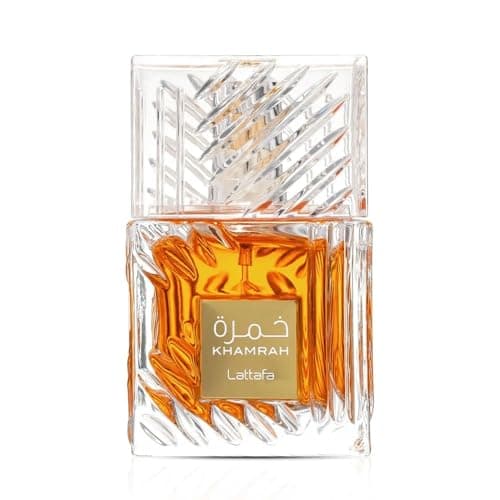
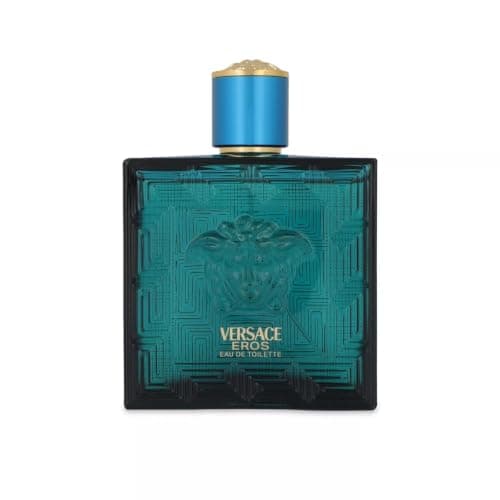
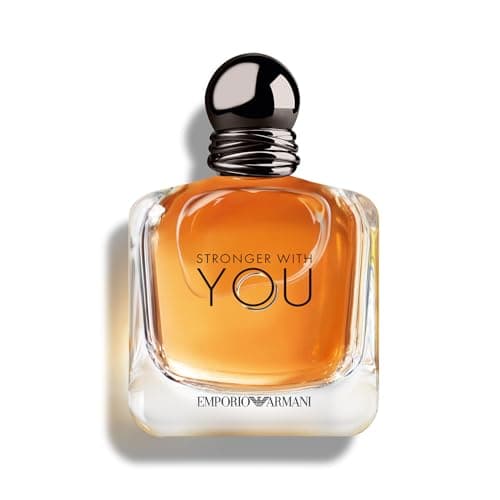
If the goal is a reaction, the reliable route is a well-made, widely-liked, warm fragrance worn at a sensible dose. That is not a secret and it is not expensive. The three picks below are the best-evidenced version of it: all three are among the most frequently complimented bottles on the market by owner consensus, which is a far better predictor of how a room will respond than anything on a pheromone label. Our best cologne that gets compliments page ranks the wider field and is honest about the catch — compliment scents are loud, and loud is wrong in plenty of settings.
Sweet and warm outperforms fresh and clean on this metric
This is consistent enough to be worth stating plainly. Vanilla, amber, tonka and the gourmand family generate noticeably more unsolicited comment than aquatics and citruses do, which is why Stronger With You, Khamrah and Eros all sit in that lane. The reason is not mysterious: sweet notes are legible and pleasant to almost everybody, and they project. Our gourmand profile and best sweet colognes cover that family properly.
Dose matters more than the bottle
Every one of these picks becomes a liability at six sprays. The single most common way a good fragrance produces a bad reaction is volume, and the wearer is always the last person in the room to realize it. Two sprays. Our how many sprays guide is the short version, and why cologne smells different on me explains the nose blindness that drives the over-spraying.
Read the label on anything sold as a pheromone product
If you want to buy one anyway, there is no harm in it — these are cosmetic products and the ones that smell good smell good. Just check two things. Whether it is a fragrance in its own right or an unscented additive, because the second only does anything if you layer it. And whether the claims are testable. "Contains androstadienone" is a statement about an ingredient. "Scientifically proven to attract" is a claim that no published evidence currently supports.
The cheaper experiment
If you are curious whether scent changes how people respond to you, run the test properly: wear one well-liked fragrance consistently for two weeks at two sprays, then stop for two weeks, and pay attention. That costs the price of one bottle and tells you more than any marketing claim. Our discovery sets page is the cheapest way to find the bottle to run it with, and how to choose a signature scent covers picking one you will actually stick with.