Fragrance Guides · Fragrance Guides
EDT vs EDP: Which Concentration Should You Buy?
What the letters mean, whether EDP is really stronger, and when the EDT is the smarter buy.
Base Note Club is reader-supported. We earn a commission when you buy through our Amazon links, at no extra cost to you. It never changes our verdict — and we say so when the cheaper bottle is the smarter buy. How this works.
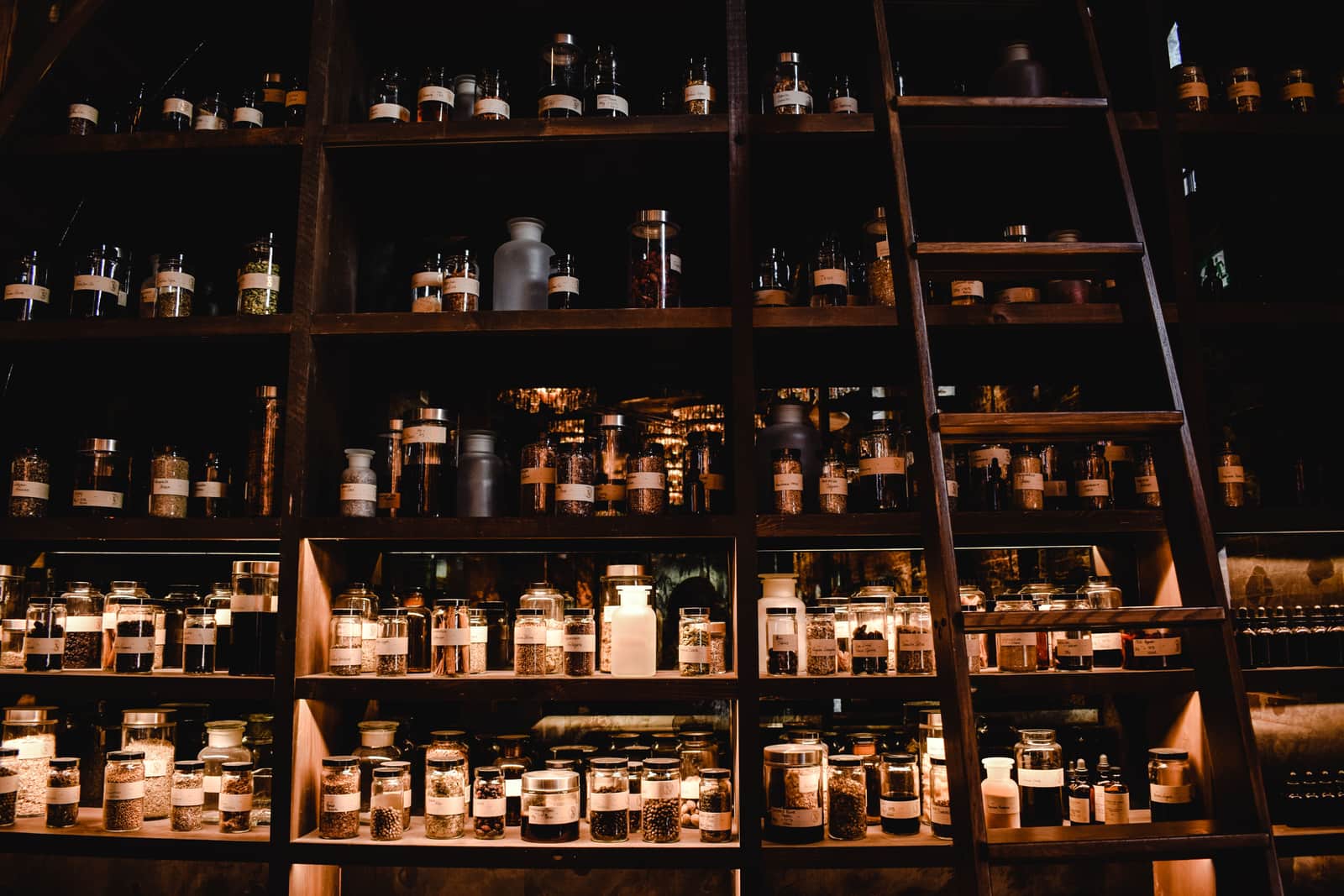
The quick answer: EDP (eau de parfum) holds more fragrance oil than EDT (eau de toilette), so it usually projects harder and lasts longer. But EDP is not simply a "louder EDT." Houses frequently reformulate the recipe between the two, so the same fragrance can smell noticeably different in each version. As a rule of thumb, reach for the EDT in warm weather and for daytime or office wear, and the EDP for cold weather, evenings, and when you want the scent to last.
What the letters actually mean
EDT and EDP are concentration labels, nothing more. They tell you roughly how much scented oil is dissolved in the alcohol base. Eau de toilette sits around 4 to 8 percent oil; eau de parfum around 8 to 15 percent. The rest is mostly alcohol, which flashes off and carries the scent into the air. More oil means more raw material doing the work, which is why the EDP tends to feel denser and stick around longer. These two sit in the middle of a wider ladder: the featherlight eau de cologne (EDC) is below them, and parfum, or extrait, sits above with the most oil of all. When you see the same fragrance sold in several of these — sometimes alongside spin-off versions the industry calls "flankers" — it is worth knowing that they are related, not identical.
| Type | Typical oil | Roughly lasts | Character |
|---|---|---|---|
| Eau de Cologne (EDC) | 2–4% | 2–4 hours | Light citrus splash; reapplied through the day |
| Eau de Toilette (EDT) | 4–8% | 3–5 hours | Everyday strength; fresh, easy, daytime |
| Eau de Parfum (EDP) | 8–15% | 6–8 hours | Richer, warmer, longer-wearing |
| Parfum / Extrait | 20–30% | 8 hours or more | Most concentrated; sits close, lasts long |
The percentages are typical, not legislated — there is no standard that forces a brand to hit them — so treat the ladder as a guide to character, not a promise.
Is EDP always stronger?
Usually, but with an asterisk. On paper the EDP has more oil, so it tends to project more and last longer. The catch is that "more oil" is not the whole story. When a house releases the EDP version, it often rebalances the formula — adding richer base notes, dialing up warmth or sweetness — rather than just turning up the volume. So an EDP can be denser and different in character, not merely a stronger EDT. Occasionally an EDT with a punchy, synthetic-heavy construction even out-projects its own EDP. Concentration predicts strength; it does not dictate it.
When to choose each
- Choose the EDT when: it is warm out, you are wearing it in daylight, you will be in close quarters like an office or a car, or you just want a fresh, easy scent you can reapply without filling a room.
- Choose the EDP when: it is cold, it is evening or a date, you want all-day wear from a single application, or you simply prefer the warmer, deeper character the parfum version usually brings.
- Buy the EDT first if you are new to a scent. It is usually cheaper, more forgiving if you over-spray, and a low-risk way to find out whether you like a fragrance before committing to the stronger bottle.
The value question
An EDP almost always costs more than the EDT of the same fragrance, so it is fair to ask whether the upgrade pays off. Two things soften the price gap. First, you use less: because an EDP projects harder, two sprays often replace the three or four an EDT needs, so a bottle lasts longer than the sticker suggests. Second, the longevity means fewer midday touch-ups. But none of that helps if you do not like the warmer, sweeter direction most EDPs take — in which case the cheaper EDT is not a compromise, it is simply the version you prefer. Buy the concentration you enjoy wearing, not the one with the bigger number on the box.
A real example: Dior Sauvage EDT vs EDP
Sauvage is the clearest case study because both versions are everywhere. The EDTis the bright, radiant one: snappy bergamot up top, a peppery kick, and a big dose of ambroxan — the clean, mineral, "fresh" molecule that made it famous. It reads crisp and daytime. The EDP keeps the same DNA but folds in vanilla and a warmer amber base, so it comes across softer, sweeter, and cozier — less fresh blade, more warm skin. Neither is objectively better; they are two moods, and plenty of people own the EDT for work and the EDP for evenings. A common pattern is to lean on the EDT through spring and summer, when its crispness shines, and switch to the EDP once the weather turns and you want something with more weight on the skin. Read the full breakdown in our Dior Sauvage review.
So do not assume the EDP is just the EDT with the dial turned up. Smell both if you can — the difference lives in the character as much as the strength. If you want the vocabulary behind words like projection and sillage, see longevity, sillage and projection, or start from the basics in cologne vs perfume.
The words that are not concentrations
Elixir, Intense, Extreme and Absolu look like they belong on the ladder above, and none of them does — they are marketing terms with no regulated meaning. Our what is a flanker guide translates each one and says when the spin-off is genuinely the better bottle.
Questions
Frequently asked
Is EDP stronger than EDT?
Does EDP last longer than EDT?
Is EDP worth the extra money?
Can I wear EDP during the day?
Why does the EDP of a fragrance smell different?
Keep reading
Related
- Gift Sets vs BottlesThe concentration swap some holiday sets make.
- Cologne vs PerfumeStart here for the whole concentration ladder in plain English.
- Dior Sauvage ReviewThe full EDT-versus-EDP breakdown on the world's best-selling men's scent.
- Dior Sauvage EDT vs EDPThe concentration question answered on one specific, famous bottle.
- Longevity, Sillage & ProjectionWhat 'projects harder and lasts longer' actually means in practice.
Receipts
Sources
We do not run a testing lab, and we do not pretend to. Our scores are judgments from compiled research — published notes and concentration data, plus aggregated owner and community reports — and first-hand impressions only where genuine. Where we could not verify something, we say so rather than quietly leaving it out. Read our full method.