The short answer: in a carry-on bag, cologne is a liquid, so it falls under the TSA's 3-1-1 rule — each container must hold 3.4 ounces (100 ml) or less, every container has to fit in a single one-quart resealable bag, and you get one of those bags per passenger. In a checked bag the 3-1-1 rule does not apply, so your full-size bottle can travel. The FAA does cap medicinal and toiletry articles in checked baggage at 2 kg (70 ounces) or 2 L (68 fluid ounces) in total per person, with no single container over 500 ml (17 fluid ounces) — limits no realistic amount of cologne will reach.
The practical trap is that 3.4 oz / 100 ml is not a travel size — it is the most common fullsize on the men's shelf. So a standard 100 ml bottle is exactly at the limit and allowed, while the large-format bottles people buy for value — 4.2 oz / 125 ml, 6.7 oz / 200 ml — are not. That one sentence is the whole answer most people are looking for.
The sizes, and whether they fly
- Up to 3.4 oz / 100 ml — allowed in a carry-on, inside the quart bag. This covers the standard 100 ml designer bottle, 50 ml, 30 ml and every travel atomizer.
- 4.2 oz / 125 ml — not allowed in a carry-on, even if the bottle is half empty. The rule is container capacity, not how much liquid is in it. This is the most common size people get stopped for.
- 6.7 oz / 200 ml and above — checked bag only.
- Solid and alcohol-free formats — solid cologne, balms and wax-based scents are not liquids and are not subject to 3-1-1 at all.
Two things worth knowing before you pack. Fragrance is flammable because it is mostly alcohol, which is why the FAA caps toiletries in the hold at all — the limit is far above what any traveller carries, but it is the reason the rule exists. And a cabin at altitude is a pressure and temperature cycle: a full-size glass bottle in a checked bag should be bagged separately, because a leaking atomizer in a suitcase ruins the suitcase.
Always verify the bottle, not the name
Almost every fragrance on the market is sold in several sizes under one product name, and the size on a retail listing is the single most common thing people misread. Before you travel, read the size off the bottle itself — not off the box, not from memory, and not from the product title. If it says 100 ml or 3.4 fl oz, it goes in the quart bag. If it says anything larger, it goes in the hold or stays home.
What to pack instead
The better answer for most trips is not to take your main bottle at all. A decant — a few millilitres of your own fragrance in a small travel atomizer — costs almost nothing, weighs nothing, cannot be confiscated on size, and does not risk an expensive bottle in a hotel bathroom. The second-best answer is to own one cheap, versatile bottle that lives in the suitcase. The three picks below are chosen for exactly that job: scents that work in any climate and any setting, and that you would not grieve over if a bag went missing.
Choosing a travel bottle
One scent that covers the whole trip
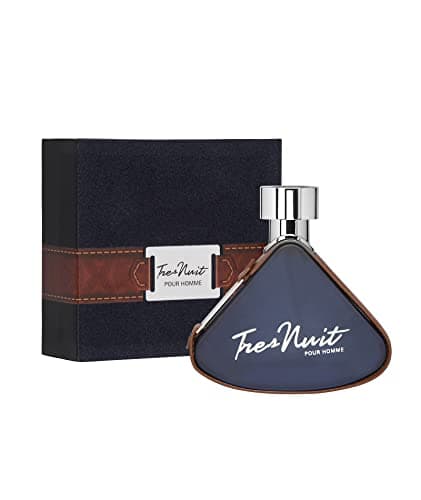
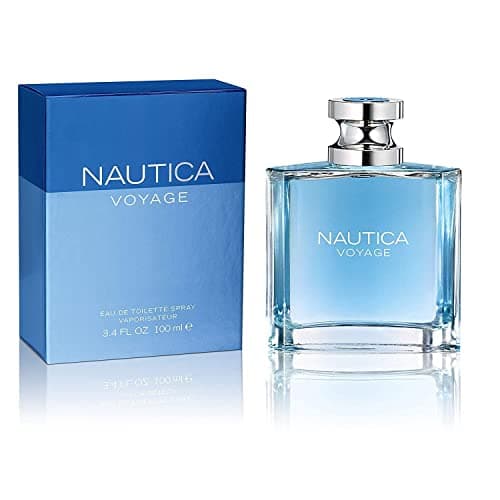
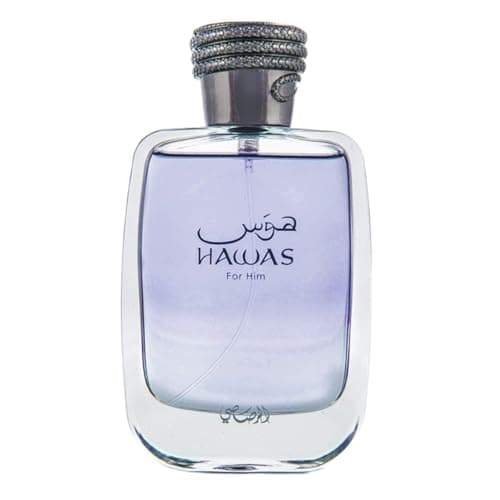
A travel fragrance has a harder brief than a signature one: it has to work for a morning meeting and a dinner, in whatever weather you land in, without a second bottle to switch to. That rules out everything seasonal — no winter gourmands, no tobacco, no leather. A fresh scent with real longevity is the answer, which is why Rasasi Hawas leads these three: owner reports of all-day wear are common, and it is inoffensive everywhere. Armaf Tres Nuit is the office-safe citrus-woody alternative, and Nautica Voyage is the cheapest genuinely likeable bottle on the market — the one to buy specifically because losing it would not matter.
Decant, do not pack
A 5 or 10 ml atomizer holds far more wears than a week-long trip needs and sidesteps every size question. Fill it from your own bottle before you leave rather than buying a branded travel spray, which is almost always the worst value per millilitre in the range. Keep it upright in the quart bag, and remember that the quart bag is shared with toothpaste and sunscreen — cologne is rarely the thing that makes the bag overflow, but it is the thing most likely to be sacrificed at the scanner.
Buying fragrance at the airport
Duty-free fragrance over 3.4 oz can come into a US carry-on, but only under a specific exemption: TSA allows it when the liquid was bought internationally, you are flying to the United States on a connecting flight, the retailer sealed it in a transparent tamper-evident bag that shows no sign of tampering, and the original receipt is present and dated within 48 hours. Ask for the sealed bag and keep the receipt at the till — and note TSA's own advice, which is to put anything over 3.4 oz in checked baggage even when it is sealed. For what is actually worth buying, our best cologne for travel roundup and the discovery sets guide are the two pages to read first.
Storage, when you get there
Heat and light are what actually destroy fragrance, and a hotel bathroom windowsill is the worst place in any room. Keep the bottle in the bag it travelled in, away from the window. Our storage guide and does cologne expire cover why a few hot days can noticeably change a bottle you have owned for years.