Fragrance Guides · Fragrance Guides
How to Sample Cologne Before You Buy
The single habit that saves you from bottles of regret — how to test a fragrance the right way.
Base Note Club is reader-supported. We earn a commission when you buy through our Amazon links, at no extra cost to you. It never changes our verdict — and we say so when the cheaper bottle is the smarter buy. How this works.
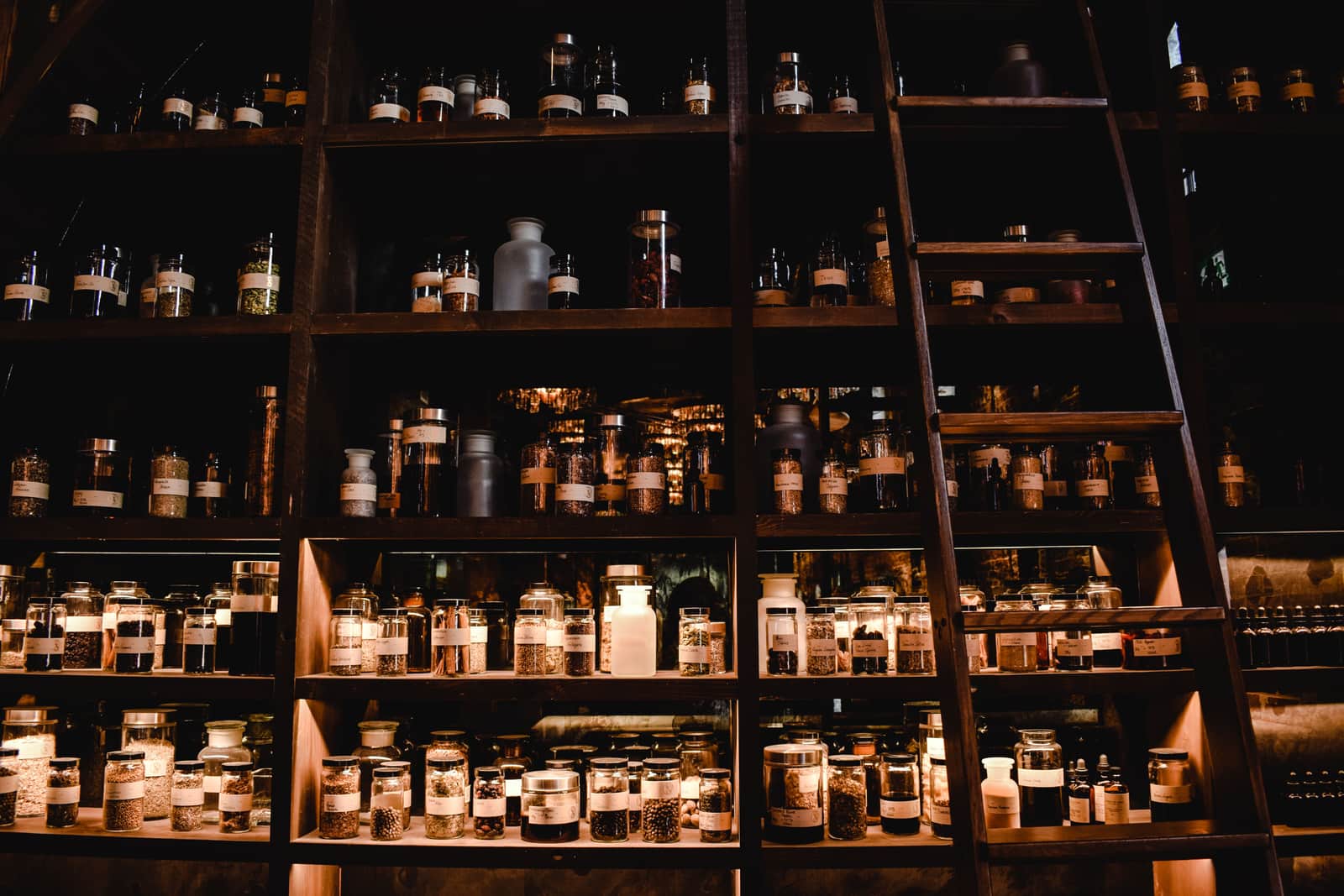
The most expensive mistake in fragrance is buying a full bottle you have never smelled on your own skin. A scent that is a rave online can turn sour on you, fade in an hour, or simply not suit your taste once the opening burns off. Sampling first is the one habit that separates people with a shelf of bottles they love from people with a shelf of bottles they tolerate. Here is how to do it properly.
The three ways to sample
1. Discovery sets. Many brands (and third-party sellers) sell small sets of several mini-vials or sprays so you can try a range for the price of dinner. This is the best starting point for a beginner: low cost, low commitment, and a spread of styles to find your lane. Our discovery sets guide covers how to use them.
2. Decants. A decant is a small amount of a specific fragrance, transferred into a travel atomizer and sold by dedicated decant shops. Decants are how you test one exact bottle you are eyeing — a few milliliters is plenty for several full-day wears, at a tiny fraction of full-bottle cost. If you already have a shortlist, decants are the smart move.
3. In-store testers. Department-store counters let you spray for free. Useful, but with rules (below) — the counter is where most people sample wrong.
Test on skin, not just paper
Paper blotters are fine for a first impression — a quick way to reject something you hate — but they do not tell the real story. A fragrance smells different on skin because your skin's warmth, oil and pH change how the notes develop. Spray it on your skin (the forearm or the back of the hand near the wrist), and judge it there. If you are testing more than one, use different arms and do not test more than two or three at once — your nose fatigues fast and everything starts to blur.
Wait for the dry-down — this is the whole game
The opening you smell in the first two minutes is not what you will wear for the day. A fragrance unfolds in stages: bright top notes fade within minutes, the heart emerges over the next hour, and the base notes — the part you actually live with — settle in after that. Give any serious contender several hours before you decide. The scent that dazzles at the counter can turn generic or harsh by hour three, and the one that seems quiet at first can bloom into your favorite. This is exactly why the counter spray-and-buy is a trap and a decant you can wear all day is gold. If you want to understand what is happening as it shifts, the fragrance notes guide breaks it down.
Respect skin chemistry
The same juice can smell noticeably different on two people because of skin chemistry — oiliness, pH, even diet shift how notes read and how long they last. Dry skin burns through fragrance faster; a note that turns sweet on a friend can turn sour on you. This is the deepest reason a rave review is a starting point, not a guarantee, and why testing on your skin is non-negotiable before you commit real money.
When is a blind buy actually okay?
Sampling is the rule, but there are two honest exceptions. The first is price: if a bottle costs less than a decent sample would, buying it outright to test is reasonable — the downside is a few dollars, not a few hundred. The second is a known quantity: if you have smelled a fragrance on someone else, worn it years ago, or are buying a safe, widely-loved crowd-pleaser you are confident about, a blind buy carries less risk. Outside those cases, the more expensive and the more unusual the scent, the more a sample earns its keep. When in doubt, spend the small money on a decant first — it is almost always cheaper than being wrong.
A simple sampling routine
- Narrow your list first — pick a family (fresh, woody, sweet) so you are not testing blind.
- Buy a discovery set or a couple of decants rather than a full bottle.
- Spray one or two on skin, not five; let paper reject the obvious no's.
- Wear each for a full day before judging — check it at the two-hour and six-hour marks.
- Only buy the full bottle once a scent has survived a real day on your own skin.
Do this and your hit rate climbs dramatically. Once you know your lane, the scent profiles and our beginner picks are the fastest way to build a shortlist worth sampling.
Questions
Frequently asked
What's the cheapest way to sample a cologne?
A discovery set or a small decant. Discovery sets give you several scents to try for the price of a meal; decants let you test one specific bottle for a fraction of full-bottle cost.
Should I test cologne on skin or paper?
Both have a role: paper for quick first impressions, skin for the real verdict. Your skin's warmth and chemistry change how a fragrance develops, so always test serious contenders on skin before buying.
How long should I wait before deciding on a fragrance?
Several hours. Top notes fade within minutes and the base — what you actually wear all day — only settles after an hour or more. Judge a scent on its dry-down, not its opening.
Why does the same cologne smell different on me?
Skin chemistry — your oil, pH and even diet shift how the notes develop and how long they last. It is the main reason you must sample on your own skin rather than trust someone else's review.
Keep reading
Related
- Decants vs Discovery SetsWhich sampling route to pay for.
- Sampler Sets by HouseThe by-house alternative to vial packs.
- Best discovery setsThe low-risk way to try several scents at once.
- Fragrance notes explainedWhat's happening as a scent dries down.
- Why cologne fades on skinThe skin-chemistry side, in depth.
- Best cologne for beginnersA shortlist worth sampling first.
Receipts
Sources
- The Perfume Society — how to test fragrance
- Fragrantica — fragrance notes and reviews
- Michael Edwards Fragrance Wheel (via Bespoke Unit)
We do not run a testing lab, and we do not pretend to. Our scores are judgments from compiled research — published notes and concentration data, plus aggregated owner and community reports — and first-hand impressions only where genuine. Where we could not verify something, we say so rather than quietly leaving it out. Read our full method.