The short answer: deodorant and cologne solve different problems and you want both. Deodorant works on your underarms to stop body odor — either by killing the bacteria that cause it or, in the case of an antiperspirant, by reducing the sweat those bacteria feed on. Cologne is a fragrance; it is designed to be smelled, lasts for hours, and does nothing at all about odor. Spraying cologne instead of using deodorant does not cancel body odor out; it layers a nice smell on top of a bad one, which is worse than either alone.
What each one is doing
- Deodorant — an antibacterial and lightly scented product for the underarm. Sweat itself is nearly odorless; the smell comes from skin bacteria breaking it down. Deodorant targets the bacteria.
- Antiperspirant — a different product that often comes in the same stick. Aluminium salts temporarily block the sweat ducts, so you sweat less. In the US it is regulated as an over-the-counter drug, while plain deodorant is a cosmetic.
- Cologne — alcohol-based fragrance, applied to pulse points on the neck and chest, built in layers of top, heart and base notes that develop over hours. Its job is to be noticed. See our fragrance notes guide for how that structure works.
- Body spray — the confusing middle. Much weaker than cologne, usually sprayed over a wide area, and often marketed as doing both jobs while doing neither well. We cover it properly in cologne vs body spray.
Why they clash, and what to do about it
Nearly every deodorant on the shelf is scented, and those scents are formulated for mass appeal — powder, "fresh," aquatic, or a cologne-ish accord of their own. The problem is proximity: your underarm is a few inches from where you spray your fragrance, and your own body heat drives both upward at the same time. A powdery deodorant under a green vetiver is a genuine mismatch, and it is the most common reason people report that their cologne "smells different on them" than on the card.
There are two clean solutions. The simple one is to switch to an unscented or fragrance-free deodorant and let the cologne be the only scent on you — this is what most people who care about fragrance end up doing, and it is the single easiest upgrade to how you smell. The other is to deliberately match: a clean, soapy deodorant under a clean, soapy fragrance reads as one coherent thing. What does not work is a strongly scented deodorant under an unrelated fragrance family.
The order that works
Shower, dry off, deodorant on dry underarms first. Then unscented moisturizer on the neck and chest if your skin is dry — fragrance binds to skin oil, and dry skin sheds it fast. Then two or three sprays of cologne on skin at the neck, chest or shoulders, from roughly six inches away. Never spray cologne in the underarm: the alcohol stings freshly shaved or deodorant-covered skin, and it does nothing about the bacteria anyway.
Which colognes layer well over deodorant
If you are not going to switch to an unscented stick, the fragrances that survive a scented deodorant best are the clean, soapy and citrus-fresh ones — because they are in the same register as what most deodorants are reaching for, so a collision reads as reinforcement rather than conflict. That is the logic behind the three picks above: all three are clean rather than sweet, all three are cheap enough to wear daily, and none of them fights a standard "fresh" deodorant.
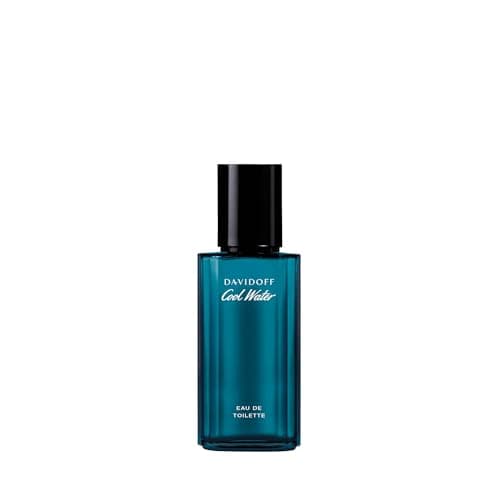
Davidoff Cool Water
The 1988 aquatic that invented the genre: minty, watery and clean, and close enough to the smell of a basic deodorant that the two never argue. It costs almost nothing, which makes it the obvious everyday bottle. It is also very common and reads dated to younger noses — see the full review.
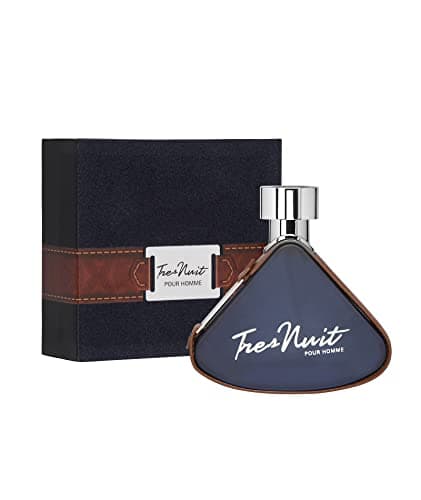
Armaf Tres Nuit
A clean citrus-woody EDP, office-safe and cheap, with a little more structure than Cool Water and better staying power than its price implies. The honest limit is that it is an approximation of a famous blue designer rather than something original.
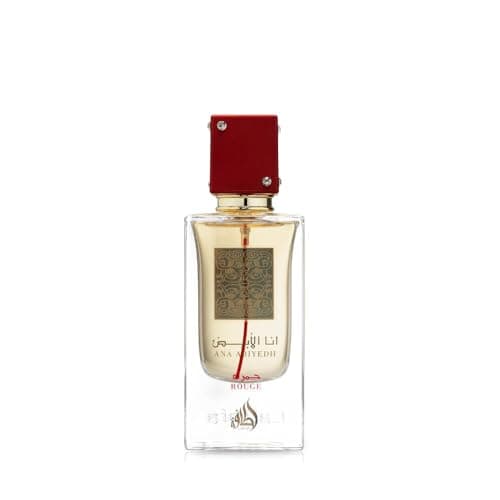
Lattafa Ana Abiyedh Rouge
The soapiest of the three — a clean citrus-floral that reads as well-groomed rather than perfumed, which is exactly what you want in a close setting like a car or a meeting room. Modest projection is the trade, and here it is a feature. Our office roundup covers the rest of that brief, and cologne that smells clean ranks the whole soapy-fresh lane.
Five rules worth remembering
Deodorant is hygiene; cologne is optional. If you only do one, do the deodorant.
Unscented deodorant is the cheap upgrade. It removes the single most common source of scent clash, and it makes any fragrance you own smell more like itself.
Do not spray cologne on your underarms or on clothes as a deodorant substitute. Fragrance on fabric lasts longer but develops badly, can stain, and still does not address odor. Our application guide covers placement.
Reapply deodorant, not cologne, when you have been sweating. Adding fragrance on top of a long day is how people end up wearing far too much — and you are the last person who can smell it. See how many sprays of cologne.
In hot weather, lighten both. Heat amplifies fragrance and increases sweat at the same time, which is the one scenario where a heavy cologne genuinely becomes a problem for other people. Our hot and humid weather roundup and gym picks are the two pages for that case.