Fragrance Guides · Fragrance Guides
Fragrance Notes Explained
The pyramid is a timeline, not a recipe — learn to read top, heart and base notes and you can predict a fragrance before you ever smell it.
Base Note Club is reader-supported. We earn a commission when you buy through our Amazon links, at no extra cost to you. It never changes our verdict — and we say so when the cheaper bottle is the smarter buy. How this works.
The pyramid is a timeline
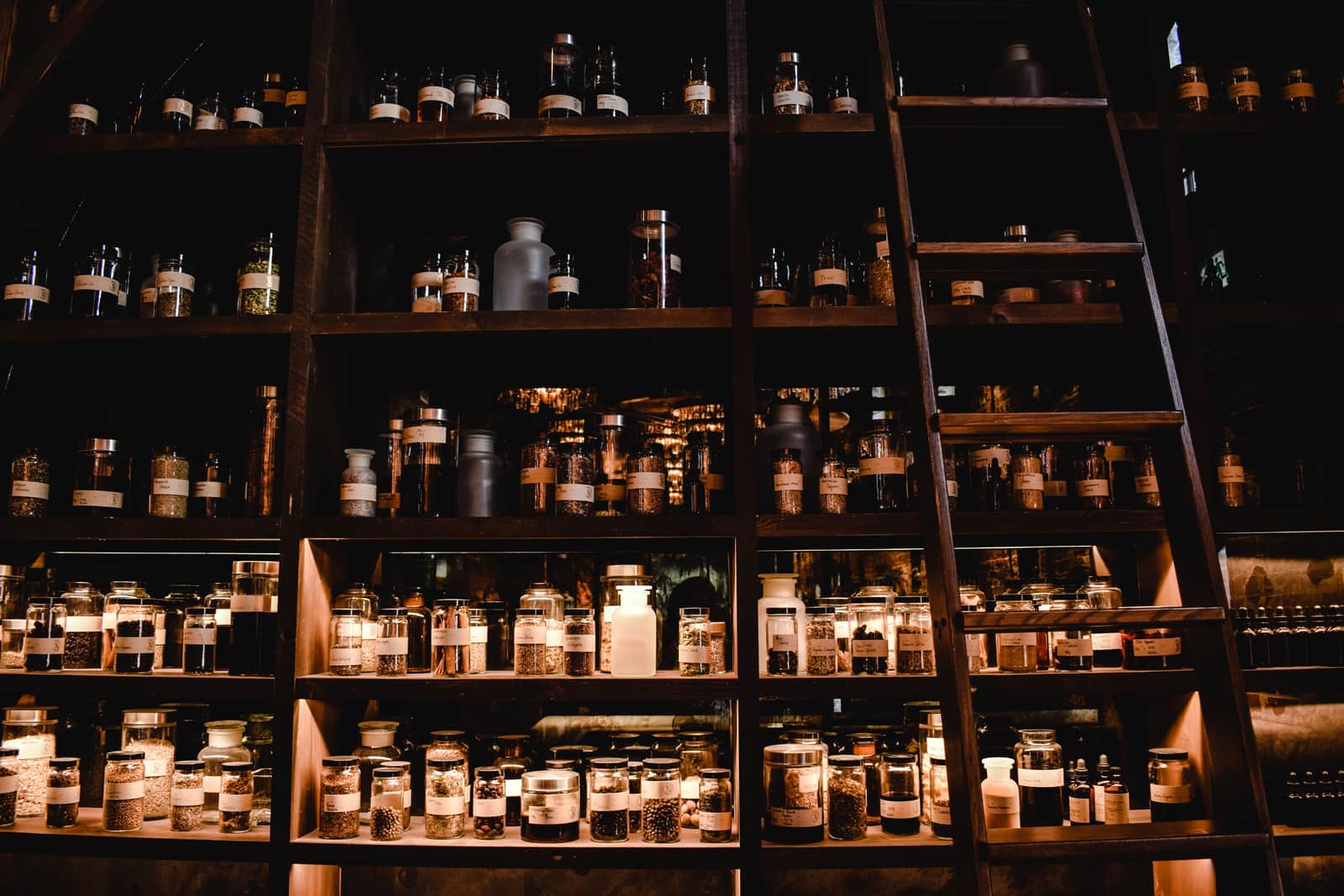
Every fragrance listing shows a pyramid of "notes" — and the crucial trick is realizing it's not a list of ingredients, it's a schedule. Top notes are what you smell for the first ten to twenty minutes: small, volatile molecules (citrus, herbs, light spice) that make the first impression and leave. Heart notescarry hours one through four: florals, fruits, heavier spices — the fragrance's actual personality. Base notes are the final six-plus hours: woods, ambers, musks and vanillas — what your collar smells like tomorrow. Buy for the heart and base; the top is just the handshake.
The notes you'll meet constantly
Bergamot— the polished citrus that opens half of all men's fragrances: think Earl Grey tea, not lemonade. Pink pepper — sparkling, slightly rosy spice. Lavender — the clean barbershop heart note. Cardamom — warm-cool spice, the sophisticated middle of many evening scents.
In the base: ambroxan— the modern "clean skin, but better" hum that powers Sauvage and its generation. Tonka bean — sweet almond-vanilla warmth. Vetiver — dry, smoky grass-root elegance. Oud — dense, resinous wood, the deep end of the pool. Musk — the soft, skin-like glue that holds modern bases together.
Reading a pyramid like a forecast
With a dozen note-words learned, a pyramid becomes a prediction. Bergamot-lavender-tonka? A modern barbershop sweet — safe, office friendly. Citrus-marine-musk? A summer freshie that will last five hours. Cinnamon-date-vanilla? A cold-weather dessert that will last twelve. Check where the weight sits: a pyramid whose base is all woods and ambers will wear heavy regardless of its sparkly top. The scent profiles hub groups fragrances by exactly these families.
Why you can't smell every listed note
Notes are impressions, not ingredients — "sea notes" is an accord of synthetics, not bottled ocean. Perfumers blend so notes fuse; picking out each one individually isn't the goal, and nobody does it reliably. If a pyramid lists fifteen notes, expect to clearly identify three or four. That's normal, not a fake nose.
Turning note literacy into better purchases.
Shop the base, wear the top
Before buying, read the base notes and ask "do I want to smell like this at 6pm?" — that's the fragrance you're actually purchasing. The top notes are a ten-minute preview engineered for the store shelf.
Track what you love
When a fragrance works for you, note its heart and base families — two or three data points reveal your pattern (most people have one). The signature scent guide turns that pattern into a wardrobe.
Questions
Frequently asked
What are top, heart and base notes?
What is ambroxan?
Why can't I smell all the notes listed?
Which notes last the longest?
Keep reading
Related
Receipts
Sources
- Michael Edwards Fragrance Wheel via Bespoke Unit
- Fragrantica — notes encyclopedia
- The Perfume Society — fragrance families
We do not run a testing lab, and we do not pretend to. Our scores are judgments from compiled research — published notes and concentration data, plus aggregated owner and community reports — and first-hand impressions only where genuine. Where we could not verify something, we say so rather than quietly leaving it out. Read our full method.