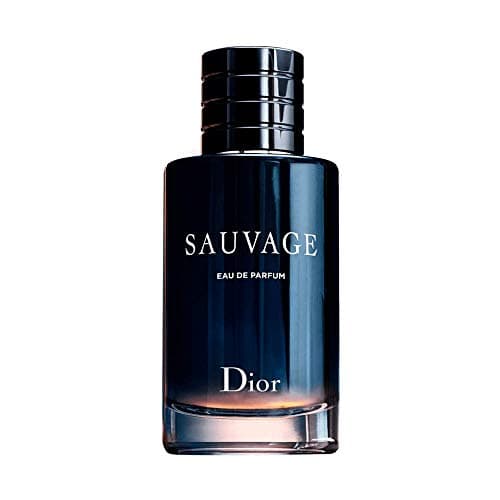
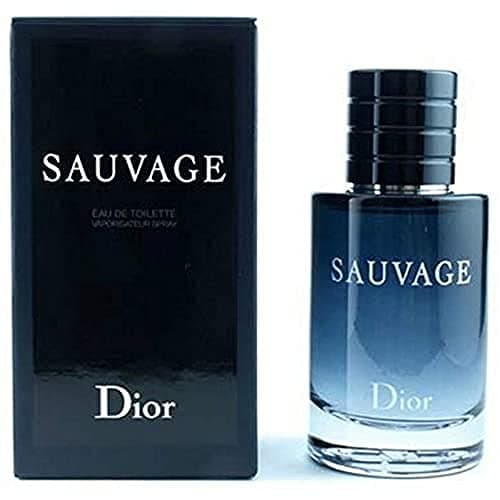
There is a good chance the last three men you stood behind in a coffee line were all wearing this one. Dior Sauvage is, by every published sales figure, the best-selling men's fragrance on the planet, and that single fact tells you two things at once. It is enormously likeable. And you are going to smell it absolutely everywhere. Both are true, and both matter when you decide whether it earns a place on your shelf.
The ambroxan-and-bergamot story
Dior released Sauvage in 2015 under perfumer François Demachy, pitched around wide-open desert imagery and a very famous face in the ad campaign. Do not confuse it with Dior's 1966 Eau Sauvage, a completely different citrus classic; the modern Sauvage is its own animal. The whole thing is built on ambroxan, a synthetic molecule that stands in for ambergris and smells dry, mineral, faintly salty and slightly sweet. Ambroxan radiates off warm skin, which is exactly why this scent seems to fill a space. Wrap that base in a fistful of bright Calabrian bergamot up top and you have the commercial formula in one line: clean, fresh, peppery and very loud.
The note pyramid
A fragrance is usually described as a pyramid that unfolds over time. The top notes are the opening few minutes: here, zesty bergamot and cracked pepper, sharp and a little spicy. The heart notes carry the next hour or two: Sichuan pepper, lavender, geranium and a green, resinous elemi. The base notes are the heavy molecules that emerge as the top burns off and linger for the rest of the wear: ambroxan, cedar and a touch of labdanum. If you only remember one thing, remember that ambroxan-cedar base, because it is what most people actually mean when they say something "smells like Sauvage."
Why it sells the way it does
Yes, the marketing budget is enormous. But plenty of well-marketed fragrances flop, and this one did not. Sauvage sells because it was engineered to be agreeable to nearly everyone: fresh enough for July, ambery enough for December, strong enough to be noticed across a table, and clean enough that it offends almost no one. It is the fragrance equivalent of a well-cut navy suit. That is a real compliment and, as we will get to, also the catch.
EDT, EDP and Elixir
Sauvage comes in three main concentrations, and concentration simply means how much fragrance oil is in the mix; it drives intensity and how long the scent lasts, not quality. The Eau de Toilette is the original and the brightest, most peppery and citrus-forward version. The Eau de Parfum leans warmer and a little sweeter, with a vanilla thread running through the ambroxan, and it tends to last longer on skin. The Elixir is a highly concentrated near-parfum that trades freshness for density, all spicy lavender, licorice and grapefruit over a huge base, and it is a genuine cold-weather heavyweight. Same DNA, three different volumes.
How it performs
Three words worth defining. Longevity is how long you can still smell it on your own skin. Sillage, from the French for a boat's wake, is the scent trail you leave behind as you move. Projection is the size of the scent bubble around you while you stand still. By aggregated owner reports, the EDT projects hard for the opening stretch and then settles closer to the skin, the EDP holds its warmth and staying power for longer, and the Elixir is the beast of the three. All are strong performers by designer standards; none is a shy fragrance.
The honest part
The one real knock on Sauvage is its ubiquity. When a fragrance is this common, wearing it says very little that is specific about you, and a certain kind of nose is frankly tired of smelling it. If you want people to ask "what is that?", this is close to the last bottle you should reach for. If you love the accord but not the crowd, the cheaper woody-ambroxan Sauvage alternatives we cover elsewhere get you most of the way there for a fraction of the money.
Who should skip this
Skip Sauvage if standing out matters more to you than fitting in. Skip it if heavy ambroxan gives you the dry, scratchy little headache that some people genuinely get from it. And skip it if sheer overexposure has soured you on the smell, which is a real and valid reason. For everyone else, its reputation is deserved.
The question is rarely whether to buy Sauvage; it is which one, and for what. Here is how the concentrations sort out in practice.
Reach for the EDT if you want the versatile daily driver
The Eau de Toilette is the hot-weather, daytime, office-friendly pick. It is the brightest and most citrus-peppery of the three, it behaves in heat where sweeter versions can turn cloying, and it is the one most people should own first. If you are buying a single bottle of Sauvage and you do not know which, buy this.
Step up to the EDP for cool weather and evenings
The Eau de Parfum is the move when you want more warmth, more sweetness and more staying power. The vanilla-tinged base makes it cozier in autumn and winter and a touch dressier at night. It is not more "premium" so much as a different mood: less crisp, more comforting.
Consider the Elixir only if you want maximum strength
The Elixir is a specialist tool, not a first bottle. It is dense, spicy and built for cold nights when you want serious projection and do not mind announcing yourself. If subtlety is anywhere on your list, skip it.
One honest closing note: if it is the ambroxan-bergamot idea you love rather than the Dior name, the budget woody-fresh scents in our dupe guides deliver a very similar effect for far less. Buying Sauvage is buying a safe, excellent, extremely well-known fragrance, with the emphasis on well-known.