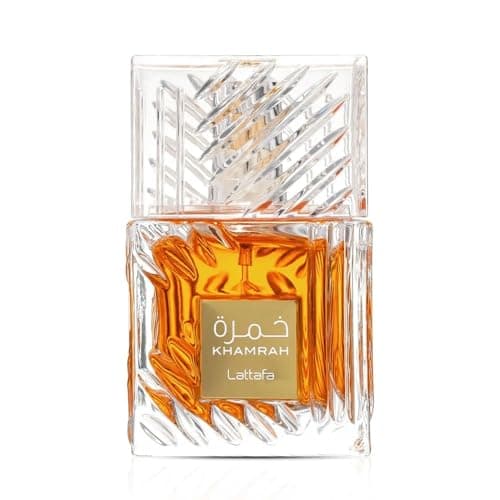
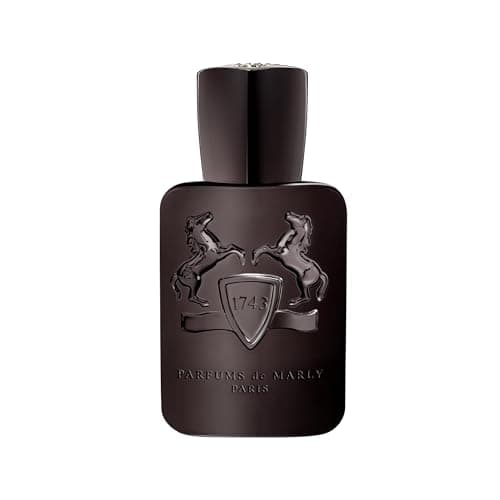
Overlapping territory, very different price tags
These two live in the same warm, spicy, sweet neighborhood — cinnamon and vanilla are central to both — which is why so many people cross-shop them. But they are not identical, and it is worth being clear about that before you treat one as a straight dupe of the other. Parfums de Marly Herod is a niche cinnamon-and-tobacco-vanilla powerhouse. Lattafa Khamrah is the viral, affordable Arabian gourmand built on cinnamon, dates and vanilla that smells far more expensive than it costs. They share a cozy, cold-weather character; they differ in the details and, dramatically, in price.
The quick version: Herod gives you a drier, tobacco-led depth and niche refinement at a niche price; Khamrahgives you a sweeter, date-and-praline gourmand that gets most of the way to that cozy-spiced vibe for a fraction of the money. This is less "which is better" and more "how much are you paying for the last ten percent."
How they smell, side by side
Herod is a warm cinnamon-and-tobacco-vanilla scent — cozy, boozy-sweet and unmistakably cold-weather, with a tobacco-leaf depth that keeps it from ever reading purely dessert-like. It is one of the better tobacco-vanilla scents at any price, and it reads genuinely distinctive rather than a copy of anything mainstream.
Khamrah is a rich cinnamon-date-vanilla gourmand with a warm amber base — the scent that went viral because it smells premium and lasts all day for budget money. It leans sweeter and more dessert-forward than Herod, with dates and praline where Herod has tobacco and incense. The Khamrah review has the full arc, and the Khamrah vs Asad guide covers its closest in-house rival.
| | Herod (niche) | Khamrah (budget) |
|---|
| Character | Cinnamon, tobacco, incense, vanilla | Cinnamon, dates, praline, vanilla |
| Sweetness | Semi-sweet with dry tobacco depth | Sweeter, more dessert-forward |
| Price bracket | Niche — a serious outlay | Budget — remarkable value |
| Performance | Very strong by owner consensus | All-day by owner consensus |
The dupe economics, honestly
Khamrah is often shelved next to Herod in "affordable cinnamon-vanilla" talk, but it is not a note-for-note clone — it leans sweeter and more gourmand, where Herod is drier and more tobacco-driven. What it does do is deliver a strikingly similar cozy-spiced impression for a tiny fraction of the price, with all-day performance by owner consensus. That is the real math: if you want the general vibe of a luxe cinnamon-vanilla, Khamrah gets you most of the way for very little. If you specifically want Herod's tobacco depth and niche refinement, no budget scent fully replicates it, and you are paying for that last stretch of nuance. Neither number here is a lab measurement; both scents are reported as strong, long-lasting performers.
Which one, for whom
Choose Khamrah if you are value-driven, want a viral compliment-getter for cold weather, or are still exploring whether the spiced-vanilla style is for you — it is one of the best budget buys in the category and an ideal way to test the water. Choose Herod if you already love this style, specifically want the tobacco-led depth, and want a distinctive niche scent you are unlikely to smell on someone else. Both are strictly cold-weather scents; neither belongs in summer heat.
The honest cons
Herod's knocks are the niche price and a sweetness that is firmly seasonal. Khamrah's are that it is very sweet and heavy — too much for hot weather or the office — and, having gone viral, increasingly common. Neither is a bad buy; the sensible move for most people is to try Khamrah first and only step up to Herod if you find yourself wanting exactly what the budget scent cannot give you.
Season, occasion and wears-per-year
Both of these are unambiguously cold-weather scents, so the seasonal question is not which one is more versatile — neither is — but which cold-weather role you are filling. Khamrah is the easy, everyday winter scent: sweet, cozy and broadly likable, it is the one you can wear to the office in December, to a casual dinner or on a coffee run without overthinking it, and at its price you never feel precious about spraying generously. Herod is the more deliberate choice — its drier, tobacco-led depth reads a touch more grown-up and a touch more formal, so it suits evenings, dates and occasions where you want something with a bit more gravitas than a straight gourmand.
The value angle is impossible to ignore and worth stating plainly. Because Khamrah costs a fraction of Herod, it changes how freely you can wear it and how little you risk in trying it. For someone still working out whether the spiced-vanilla style suits them, Khamrah is close to a no-brainer first step — if you love it, you have spent very little; if you do not, you have learned something cheaply. Herod only makes financial sense once you already know you love this territory and specifically want the tobacco refinement and distinctiveness that the budget scent does not fully provide.
One honesty note on distinctiveness: Herod's edge used to be that few people wore it, and that is still largely true at its price point. Khamrah, by contrast, went viral, so its very success means you are now more likely to smell it on someone else. If smelling less common matters to you, that is a genuine, if modest, point in Herod's favor — though neither scent is so ubiquitous that it should override the price gap for most buyers.
The verdict
On pure value and everyday cold-weather wearability, Khamrah wins comfortably — it is one of the smartest buys in the whole category and the obvious starting point. Herod wins on tobacco depth, refinement and distinctiveness, and for the wearer who already loves this style and wants the best version of it, that upgrade is real.
So the sensible path for most people is sequential rather than either-or: buy Khamrah, wear it through a winter, and only step up to Herod if you find yourself specifically craving the dry, tobacco-led nuance it cannot give you. That way you either save a great deal of money or spend it knowing exactly what you are paying for.
If you are gifting rather than buying for yourself, Khamrah is again the safer choice for all the same reasons — it is broadly likable, forgiving of an unknown palate and inexpensive enough that a miss costs little. Herod is a gift only for someone you know loves dry, tobacco-led niche scents, because its refinement is wasted on a recipient who simply wanted something sweet and cozy. And for your own collection, do not overlook the middle path the clone economy opens up: if you love Khamrah but crave a touch more depth, there are affordable tobacco-vanilla options worth sampling before you leap to niche money. Explore that territory cheaply, and only pay Herod prices once nothing else scratches the itch.
Which should you buy?
Buy Khamrah if value and the general vibe are what you want
For a cozy, spiced cold-weather compliment machine on a budget, Khamrah is one of the smartest buys in the category — premium-smelling, long-lasting and cheap enough to be a low-risk experiment. It is the obvious first step. See how the dupe economy reshapes the math in our designer vs niche guide.
Buy Herod if you want the tobacco depth and niche polish
If you already love spiced-vanilla scents and specifically want a drier, tobacco-led, distinctive niche version, Herod delivers a refinement no budget scent fully matches — at a niche price. For the house, see the Parfums de Marly brand page.
The sensible order
For most people the answer is: start with Khamrah, wear it for a season, and only buy Herod if you find yourself craving exactly the tobacco depth it lacks. That way you either save a lot of money or spend it knowing precisely what you are paying for.