The house that turned "niche" into a crowd-pleaser
Parfums de Marly takes its name and its whole aesthetic from the Château de Marly, the retreat where the French court kept its finest horses, and the equestrian theme is not decoration — it is the brand. The masculine line is named after celebrated horses (Layton, Herod, Pegasus, Godolphin, Greenley), and every bottle wears a rearing-horse crest on the cap. Founded by Julien Sprecher in 2009, the house revived an 18th-century courtly look and hung it on a thoroughly modern idea: niche fragrance that is genuinely easy to love. Where a lot of niche brands chase the strange, the challenging and the deliberately unwearable, Parfums de Marly went the other way — big, rich, warm, expensive-smelling scents with the polish of a luxury designer and performance that outruns bottles costing a fraction as much. That combination is why the house crossed over from perfume forums to the mainstream faster than almost any niche brand of the last decade.
What Parfums de Marly does better than most
The house's real talent is making the warm, sweet, amber end of the fragrance wheel feel refined instead of cheap. Amber (also called oriental) means the cozy, resinous, faintly spicy warmth of vanilla, tonka, benzoin and soft woods; gourmand means the dessert-adjacent notes on top of it. This is exactly the lane where budget houses can smell synthetic if you over-apply — and it is where Parfums de Marly is most convincing, because the vanillas, ambers and woods read smoother, rounder and more "expensive" than the mass tier. Just as importantly, the performance is real: owner and community consensus is close to unanimous that the best of these scents last most of a day and project hard, which is a big part of why they earn such loyalty. If you shop by how a scent smells rather than by the house, the amber scent-profile guide maps the wider warm-sweet field these three all live in.
What you are really paying for
There is no way around it: Parfums de Marly is a premium outlay. These are niche-priced bottles, several times the cost of a mainstream designer, and the honest question every buyer should ask is whether the juice justifies the jump from a supermarket-priced designer up to real niche money. For the greats here, the answer is a qualified yes — you are paying for raw-material quality, for genuine all-day performance, and for a smooth, finished "expensive" signature that the budget tier struggles to fake. The step up from mass designer to niche is exactly the decision our designer-versus-niche breakdown is built to help you make, because it is a real amount of money and it is not the right move for everyone.
The part most brand pages skip: the house flagship is now one of the most-cloned scents in the world. Layton in particular has spawned an entire cottage industry of "smells like Layton" budget bottles, and several get impressively close to the effect for a small fraction of the price. That does not make the original bad — it makes it influential — but if the effect matters to you more than the label, it is worth knowing before you commit. We cover the economics of that whole tier, and why a good clone can be a smart buy, in the clone houses guide.
Beyond the big three, the masculine range runs deep — Godolphin, Greenley, Kalan, Percival and Sedley among them — but Layton, Herod and Pegasus are the bottles that consistently earn their keep for most wearers, and between them they cover the spread of what the house does best. Start with these and you will understand the Parfums de Marly signature; branch out into the deeper catalog later, and only if a specific note genuinely calls to you.
How the three picks differ
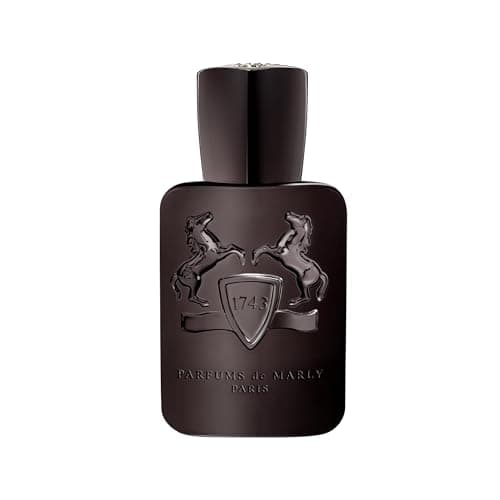
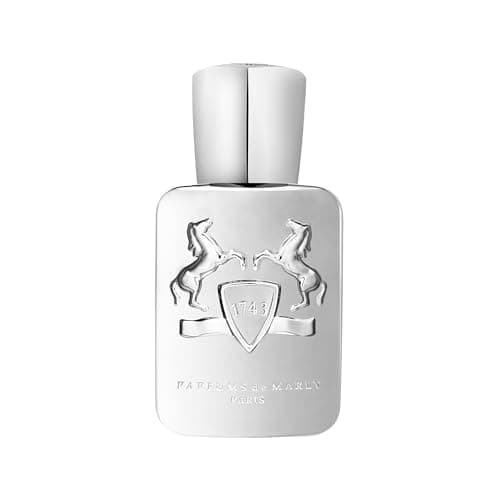
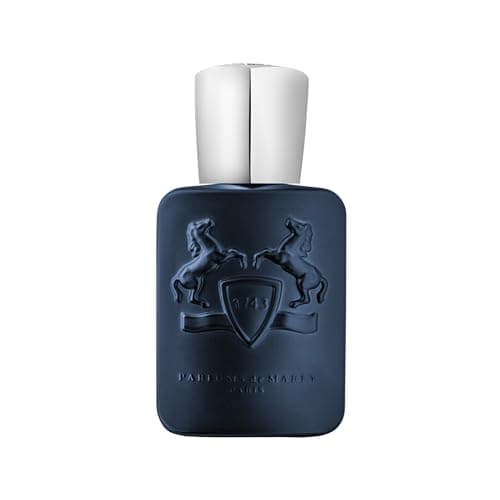
The masculine lineup is broad, but three bottles do most of the work and they split cleanly by mood. Layton is the versatile crowd-pleaser — sweet apple and lavender over a warm vanilla, pepper and sandalwood base that reads rich and cozy without being heavy, and it is the reference point a lot of designer sweet scents now chase. Herod is the winter powerhouse — a cinnamon, tobacco and vanilla composition, boozy-sweet and genuinely distinctive, and one of the best tobacco-vanilla scents at any price if you can take the sweetness. Pegasus is the comfort gourmand — a creamy, marzipan-soft almond-and-vanilla scent built on a heliotrope-almond signature that is very easy to fall for and, for the same reason, a little polarizing. All three sit firmly in the warm, sweet, cold-weather half of the wardrobe.
A closer look at the three
Laytonearns the top spot on sheer wearability. The sweet apple and lavender opening is bright without turning sharp, and the vanilla, pepper and sandalwood base underneath is where the "expensive" quality lives — cozy, rounded and long-lasting, with owner and community consensus putting its longevity and projection near the top of the range. Its only genuine weaknesses are the honest ones: it is a serious outlay, and it is now so widely cloned that it is less unique than it was a few years ago. Neither stops it being the single best-executed sweet crowd-pleaser the house makes.
Herodis the connoisseur's winter pick. Cinnamon, tobacco and vanilla stack into a rich, boozy-sweet warmth that is genuinely distinctive — not a copy of anything mainstream — and it is, by community consensus, one of the best tobacco-vanilla scents at any price. The catch is focus rather than quality: the sweet-spicy heft is strictly cold-weather, and if you dislike sweetness it will be far too much. Buy it for December nights, not for year-round versatility.
Pegasus is the comfort scent of the three. A creamy, marzipan-soft almond and vanilla built on a heliotrope-almond signature, it is milky, cozy and very easy to love — and, for exactly that reason, a little polarizing, since the milky-almond gourmand is a specific taste. Performance is strong by owner consensus, if a touch softer than Layton and Herod. It is the bottle for someone who already knows they love almond-vanilla and wants it done with genuine niche polish.
How to read this ranking
These are ordered the way we would actually recommend them to most people, not by price or hype. Layton takes the top slot because it is the most broadly wearable and the easiest bottle in the range to love — the natural first Parfums de Marly. Herod follows as the winter specialist, the one to reach for when the weather turns and you want maximum cozy richness. Pegasus rounds it out as the creamy almond-vanilla comfort scent for people who already know they love that milky-gourmand style. Every card below carries the live price, an honest "best for," and the plain "don't buy this if" that the brand's own marketing leaves out.
How to choose your Parfums de Marly
Because all three of these bottles are warm, sweet and expensive, choosing well is less about quality — which is high across the board — and more about matching the mood, the season and how distinctive you want to smell. Get those right and you will reach for the bottle instead of admiring it on a shelf.
Start with the season, then the sweetness
These are cold-weather scents, full stop. The gourmand-amber richness that makes Layton, Herod and Pegasus so complimented in fall and winter can turn heavy and cloying in summer heat or in a warm office. Layton is the most flexible of the three and can stretch into cool spring and autumn evenings; Herod and Pegasus are happiest when there is a real chill in the air to push against. If you run hot, live somewhere humid, or want a genuine year-round bottle, none of these is the answer — a fresh or aquatic scent is, and the rest of this site is built to point you there.
Decide how distinctive you want to smell
This is the honest tension at the heart of the house. Layton is magnificent, but it is now both widely worn and widely cloned, so it will not read as rare — you are buying the best-executed version of a very popular idea. Herod is the most distinctive of the three: a cinnamon-tobacco-vanilla profile that is not a copy of anything mainstream, and the pick if smelling like nobody else in the room matters to you. If you love the Layton effect but not the price or the ubiquity, be honest with yourself about that before you spend niche money, and read the clone houses guide first.
Understand what the niche price does and does not buy
All three are Eau de Parfum (EDP — a roughly 8–15% oil concentration that lasts longer and projects harder than a lighter EDT), which is a big part of why performance is so strong. Longevity — how long a scent survives on skin — and projection are elite here by owner consensus, and that reliability is genuinely part of what you are paying for. What the price does not buy is versatility or restraint: these are bold, sweet, occasion scents, not quiet office companions. Match your expectations to that and the outlay feels justified; expect a subtle daily driver and it will not.
Sample before you commit
At this price, blind-buying is a gamble few people should take. Decants and discovery samples are widely available, and an afternoon with a few sprays of Layton, Herod or Pegasus on skin will tell you more than any review — the sweetness level, the almond in Pegasus and the tobacco in Herod are all personal, and a full bottle you never wear is the most expensive mistake in fragrance.
How it compares to a top designer
The fair benchmark for Parfums de Marly is not another niche house but the best designers you already know. Against a strong designer sweet scent, these bottles generally win on smoothness, depth of drydown and sheer performance — the materials simply read richer and last longer. What they do not win on is versatility or value: a well-chosen designer at a fraction of the price will cover more of your week and more of the calendar. That is the real trade the niche premium asks you to make, and it is worth being clear-eyed about it before you spend — the upgrade is real, but it is a luxury, not a necessity.
Who should skip Parfums de Marly
If your budget is tight, this is not the place to spend it — the value math only works if niche money is genuinely comfortable for you, and a strong designer or a good clone will get you most of the way for far less. If you dislike sweetness, the whole warm-gourmand core of the house will read as cloying rather than luxurious. And if you want a fresh, versatile, wear-it- anywhere signature, look to a lighter house instead — these bottles are built for cold air, close company and occasions that reward a little drama.