For most people, cologne is not bad for your skin. It is a cosmetic product applied in very small quantities, and the vast majority of wearers never have a problem. But two things in the bottle can cause real trouble for some people — the alcohol carrier and a defined set of fragrance allergens — and a third, sunlight on certain citrus materials, is worth knowing about even though modern formulas have largely engineered it out. This page is the honest version: what is actually happening when your neck stings, who is genuinely at risk, and the four changes that solve nearly every case.
Nothing here is medical advice. If you have broken skin, a persistent rash or a reaction that spreads, that is a question for a doctor, not for a fragrance site.
Why cologne burns your neck
Almost always because of the alcohol, and almost always because of what you did just before. A spray fragrance is mostly denatured ethanol — it is the solvent that keeps the oils in suspension and the thing that flashes off to leave the scent behind. On intact skin that evaporation is harmless and barely noticeable. On skin that has just been shaved, exfoliated, sunburnt or scrubbed with a hot shower, the outer barrier is temporarily compromised and the same alcohol stings sharply.
That is why "why does cologne burn my neck after a shower" is such a common question, and the answer is mostly sequencing. Hot water strips surface oil, a fresh shave removes the top layer of dead skin along with the stubble, and spraying alcohol onto that combination is a predictable outcome. Wait fifteen minutes, moisturize first, and the problem usually disappears. Our cologne vs aftershave guide covers the related mistake of treating one as the other.
Fragrance allergy is real, and it is specific
A minority of people develop allergic contact dermatitis to specific fragrance materials. This is a genuine immune response rather than simple irritation, it usually appears as a delayed itchy rash rather than an immediate sting, and it is one of the more common causes of cosmetic contact allergy. Regulators take it seriously: EU cosmetic rules require a defined list of fragrance allergens to be declared on the label when present above threshold concentrations, which is why you see names like linalool, limonene, citronellol, geraniol, coumarin and eugenol in the small print on a European box.
The practical consequence for a buyer is useful. If you react to fragrance, you are probably reacting to one or two specific materials, not to perfume in general — and the allergen list on the box is the fastest way to start narrowing it down. A dermatologist can patch-test for the standard fragrance mixes if it matters enough.
The sunlight one: phototoxicity
Expressed citrus oils, bergamot above all, historically contained furocoumarins that react with UV light and can cause a burn-like pigmentation on exposed skin. The industry solved this decades ago: the bergapten-free bergamot used in modern perfumery, and the IFRA standards governing furocoumarin levels, mean a current mainstream fragrance is not a realistic phototoxic risk. It is worth knowing anyway, because it is the reason the old advice to spray under clothing rather than on a sunlit neck exists at all, and because small-batch and vintage oils are not always held to the same standards.
Four changes that fix almost every case
1. Change the order of operations
Shower, dry, wait, moisturize with something unscented, then spray. Never spray straight onto freshly shaved skin. This single change resolves the overwhelming majority of "cologne burns me" complaints, and as a bonus the moisturizer measurably improves longevity — fragrance binds to skin oil, so a hydrated surface holds it longer. Our why cologne fades on skin guide explains that mechanism.
2. Move the target
The neck is the worst possible landing site if you shave it and the best possible one for projection, which is the whole conflict. Chest, shoulders and the inside of the forearms all work nearly as well and none of them are freshly shaved. Spraying onto clothing is the other option, with the caveat that some fragrances mark fabric — see does cologne stain clothes before you try it on a white shirt.
3. Spray less, and from further away
Less alcohol on skin means less irritation, and a spray delivered from fifteen to twenty centimeters disperses rather than soaking one patch. Two sprays is a full dose for most fragrances. Our how many sprays guide covers the arithmetic, and how to apply cologne covers technique.
4. Choose a lighter bottle
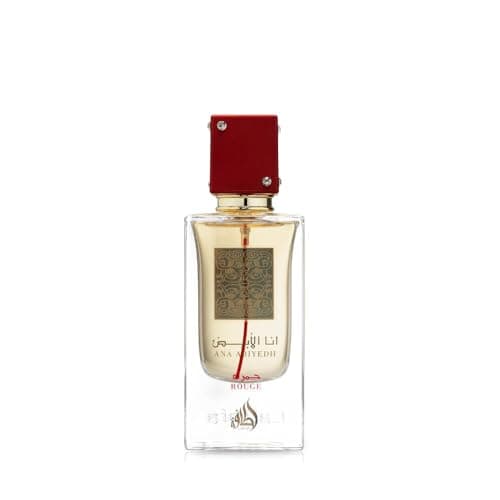
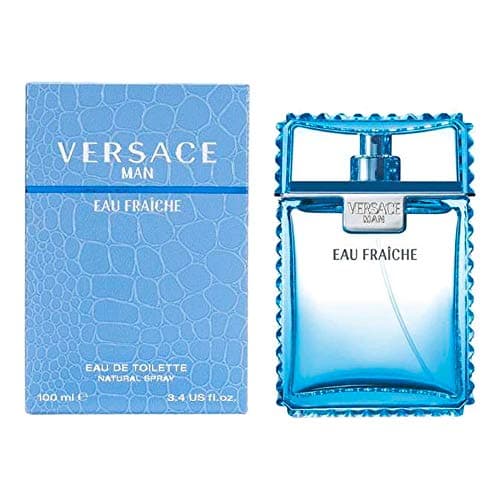
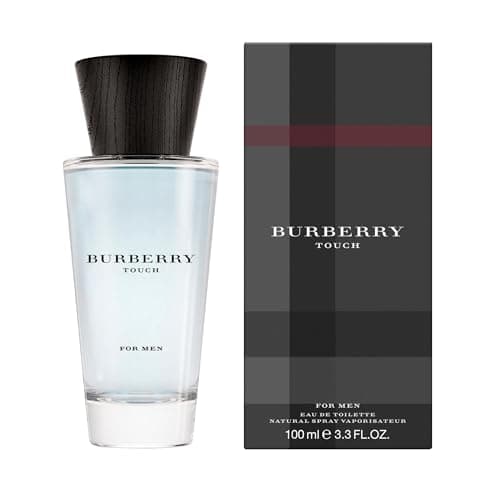
Nothing here is hypoallergenic and we are not going to pretend otherwise — a lighter fragrance contains the same families of materials as a heavy one. What a light, close-wearing eau de toilette genuinely does is let you get the effect you want from one or two sprays instead of five, which means less alcohol and less material on skin. The three picks below are all in that category: quiet, low-dose, close to the skin, and none of them needs a heavy hand to work. If you want the wider field, our best office cologne list is built on the same restraint.
What about alcohol-free fragrance?
Oil-based perfumes and attars exist, contain no ethanol, and are the obvious answer if alcohol is specifically your problem. The trade is real: oils sit extremely close to the skin, project very little, and are harder to find from mainstream houses. They are also not allergen-free — the allergens live in the fragrance materials, not in the carrier — so this fixes the stinging problem and not the rash problem. The Arabian houses are the most accessible source; see best Arabian fragrances for the part of that market with reliable distribution.
Does cologne cause cancer?
There is no credible evidence that normal use of a mainstream fragrance causes cancer. Fragrance materials in cosmetics are regulated — the IFRA standards set usage limits for individual materials, and national regulators including the FDA set the rules for what can be sold as a cosmetic. The claim circulates widely online, usually attached to a specific ingredient taken out of context. If a specific material concerns you, the IFRA standards library is the primary source and is public.