The biggest story in fragrance this decade
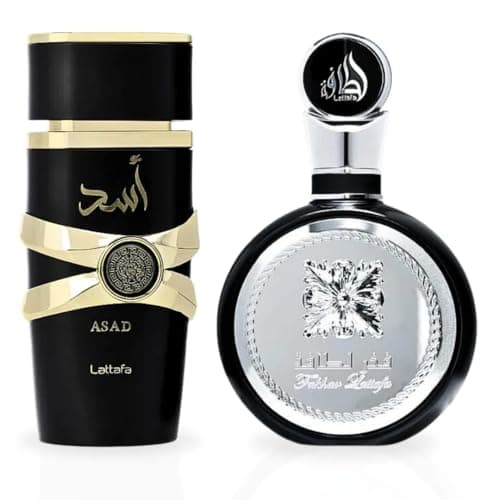
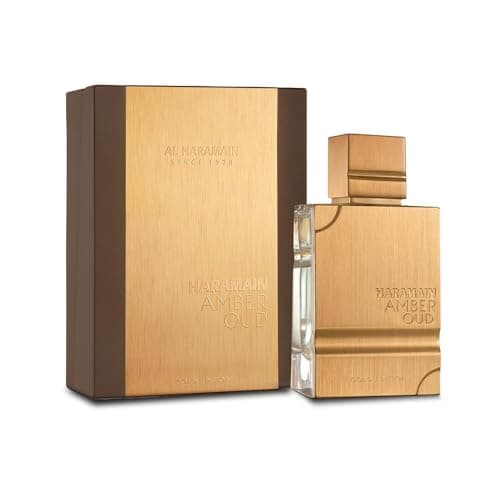
Nothing has changed men's fragrance more in the last five years than the Middle Eastern houses going global. Lattafa, Armaf, Rasasi and Al Haramain — Emirati and Gulf perfumers with decades of domestic history — started selling worldwide at prices that made no sense: $25–45 for dense, long-lasting compositions that Western designers would price at $120. The community noticed, the rankings shifted, and "Arabian fragrances" became the fastest-growing shelf in the hobby.
Two things define the style. First, generosity: these are rich, sweet, resinous, projecting fragrances — restraint is not the house culture. Second, honest inspiration: many are open homages to famous Western scents, executed with enough quality and enough personality that they stopped being "clones" and became defaults in their own right.
What we judged these on
1. Quality per dollar— the tier's entire promise. Every pick smells three to five times its price.
2. Performance — owner consensus of eight-plus hours for most of this list; several are among the longest-lasting fragrances at any price.
3. Wearability for a Western wardrobe — we ranked the crowd-pleasing sweet-spice bottles above the challenging oud-forward ones, and we flag which is which on each card.
One honest caveat
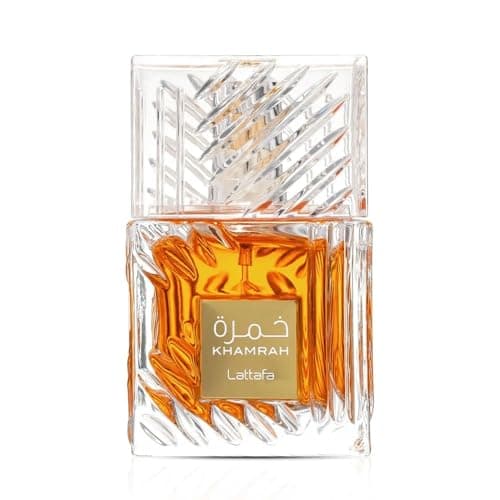
Batch variation is real at this production scale — two bottles of the same scent can differ slightly in strength. It is the tier's one genuine trade-off, worth knowing and rarely worth worrying about. Start with Khamrah or Asadand you'll understand the fuss within an hour of the first spray.
How to enter the Arabian tier without a misfire.
Match the pick to your lane
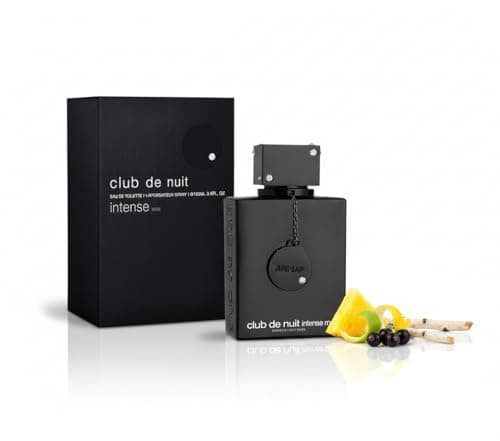
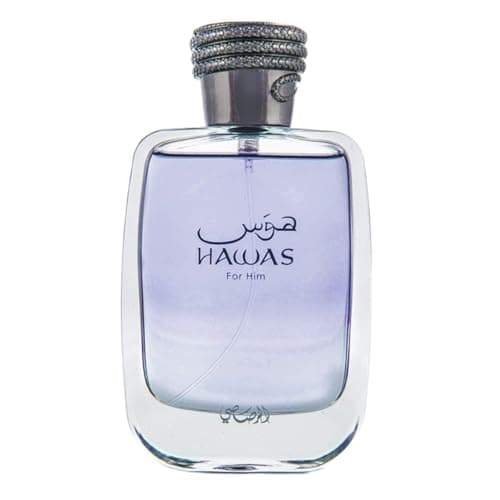
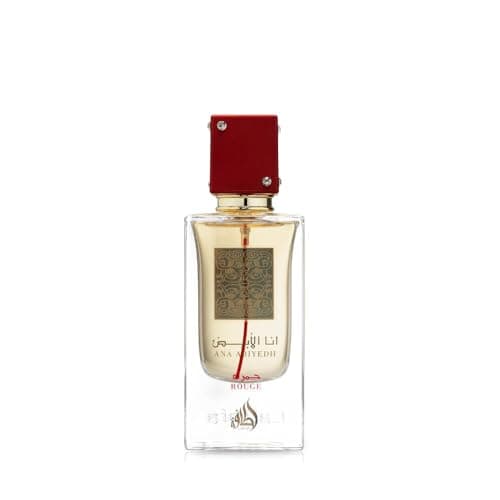
Sweet-tooth: Khamrah (cinnamon-date gourmand). Mass-pleasing spicy: Asad. Smoky-fresh: CDNIM. Fruity-fresh: Hawas. Clean and quiet: Ana Abiyedh — the one exception to the "loud" rule.
Respect the potency
Most of these project hard for hours — two or three sprays, not six. Winter and evenings flatter the sweet ones; Hawas is the summer pick of the group.