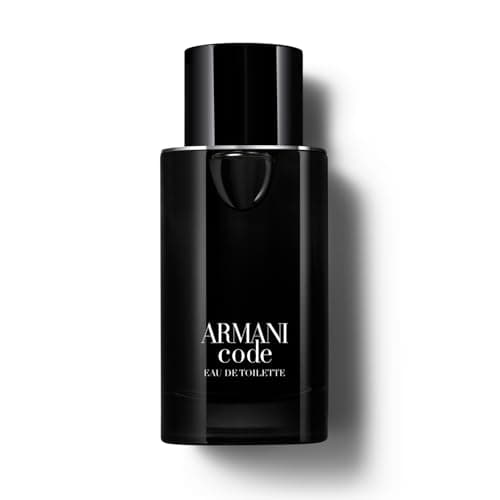
Ask a fragrance obsessive for a date-night recommendation that will not scare anyone off, and Armani Code comes up within the first three names almost every time. It has been doing that job since 2004 without ever really going out of style, which in a category that churns through "the next big thing" every season is its own kind of endorsement. Code is not loud, it is not trendy and it does not try to be the most interesting thing in the room. It is warm, smooth and quietly seductive, and that is precisely the point.
The grown-up seducer
Armani Code — known in some markets as Code Pour Homme — launched in 2004 as a deliberately sophisticated, evening-leaning counterpoint to the fresh aquatics that dominated men's fragrance at the time. Where Acqua di Gio was bright and marine, Code went the other direction: warm, faintly sweet, a little mysterious, sold on a mood of dimly lit sophistication rather than a summer beach. It was pitched as a scent for the evening and for seduction, and two decades of owner reviews confirm the marketing got it right. Code is the fragrance equivalent of a well-tailored dark suit — not the thing anyone notices first, but the thing that makes the whole impression land.
The note pyramid
A fragrance is usually described as a pyramid that unfolds over time. Code's top notes are a clean citrus opening — bergamot and lemon — that lasts only a few minutes and does little to prepare you for where the scent is going. The heart notes are the signature: star anise, olive blossom and orange blossom, an unusual, faintly licorice-and-floral accord that gives Code its distinctive, slightly sweet character and keeps it from smelling like anything else on the shelf. The base notes are where it settles for the long haul: warm tonka bean, soft tobacco, leather and guaiac wood, a smooth and cozy drydown that reads as expensive and adult. If you only remember one thing, remember that anise-into-tonka transition, because it is the whole reason people describe Code as "seductive" rather than merely pleasant.
Why it seduces
Code works because it operates at close range. It is not built to fill a room or announce you from across a bar; it is built to reward the person standing near you at a dinner table. The warm, faintly sweet tonka-tobacco base sits close to the skin and reads as intimate, confident and a little bit expensive, which is exactly the register you want on a date. It also flatters an enormous range of men — the drydown is smooth enough to feel safe without being boring, and grown-up enough to feel deliberate rather than trend-chasing. That combination of refinement and approachability is why it has outlasted almost everything launched alongside it.
EDT versus EDP: mind the concentration
Concentration means how much fragrance oil is in the mix; it drives intensity and how long a scent lasts, not its quality. This matters more with Code than with most, because the two main versions genuinely behave differently. The eau de toilette — the classic version most people picture — is refined and close-to-skin, but its performance is only moderate, and owner reports consistently flag that it can fade faster than you would like. The eau de parfum is warmer, a touch sweeter and noticeably longer-lasting, and it is the one to reach for if staying power is a priority. Same seductive DNA; the EDP simply turns up the volume and the endurance.
How it performs
Three quick definitions. Longevity is how long you can still smell it on your own skin. Sillage, from the French for a boat's wake, is the trail you leave as you move. Projection is the size of your scent bubble while standing still. By owner consensus, the EDT is a modest performer on all three — deliberately intimate rather than powerful — which is a feature at a candlelit dinner and a bug if you wanted something that lasts a full working day. The EDP outlasts and out-projects it by a comfortable margin. Neither is a beast, and neither is trying to be; Code is a close-range scent by design, and its restraint is part of what makes it read as classy.
The honest part
The main knock on Code is the EDT's performance: if you buy the classic version expecting all-day longevity, you will be disappointed, and reaching for the EDP or simply reapplying is the fix. The second caveat is seasonal — this is a warm, cool-weather evening scent, and it feels heavy and out of place on a hot summer afternoon. And while the anise-tonka accord is distinctive, it is also two decades old and widely worn, so it will not make you smell like nobody else. None of that undermines a genuinely well-made fragrance; it just tells you what Code is for.
Two decades of quiet staying power
Very few designer fragrances launched in 2004 are still routinely recommended today, and fewer still without a hint of nostalgia or irony. Armani Code is one of them. It has survived two decades of shifting trends — the aquatic boom, the sweet-gourmand takeover, the niche-clone explosion — by doing one thing consistently well: smelling smooth, warm and grown-up. Tastes have swung around it more than once, and yet the anise-and-tonka accord keeps finding a new audience, because "refined and seductive" never really goes out of style. It has been tweaked and repackaged over the years, as most long-running designers are, but its character has stayed recognizable throughout. That kind of longevity is its own quiet endorsement: a scent people are still reaching for twenty years later is a scent that got something fundamentally right, and Code's something is the way it makes an ordinary evening feel a little more deliberate.
How to wear Armani Code
Code is an evening and cool-weather scent, and it rewards you for treating it as one. Apply it to warm skin — the neck and chest — where the tonka-tobacco base can bloom, and keep the count modest, because this is a fragrance designed to be discovered at conversation distance rather than announced across a room. With the eau de toilette in particular, do not be shy about carrying a small decant to refresh later in the night, since its longevity is only moderate. Autumn and winter are its natural home; in the heat it turns heavy and a touch syrupy, and the seductive quality that works so well over dinner starts to feel like too much on a summer afternoon. Worn the right way, on the right night, it does exactly what it has always done: reads as confident, warm and a little bit expensive.
Where it fits among date-night scents
If you are building a small wardrobe of fragrances, Code slots neatly into the evening and romance role, and it is worth understanding how it differs from the other classics in that lane. Where a cardamom-and-cedar scent like YSL La Nuit de L'Homme is smoother and more transparent, Code is a touch sweeter and more structured, with that distinctive licorice-like anise giving it more character up front. Where the loud, sweet party scents fill a room, Code stays close and intimate, which makes it the more adult, more considered choice. It is not the scent for making a big entrance; it is the scent for the moment after, when someone is close enough to actually smell you. For a lot of men that is precisely the moment that matters, and it is the reason Code has been a date-night staple for so long.
Who should skip this
Skip Code if you want all-day longevity from the classic EDT — size up to the EDP or look at a fresher, longer-lasting scent instead. Skip it if you want a bright daytime or summer fragrance, because this leans warm, sweet and nocturnal. And skip it if the faintly licorice-like anise note does not agree with you, which is the one facet that occasionally divides opinion. For anyone after a smooth, refined, close-range evening scent that flatters almost everyone, though, Code remains one of the safest recommendations in the category.
Buying Code well is mostly about picking the right concentration for the way you plan to wear it. Here is how they sort out.
Buy the EDP if you want it to last
If longevity matters to you at all, the eau de parfum is the version to own. It keeps the seductive anise-tonka character of the original while adding warmth, a little more sweetness and considerably more staying power. For most people buying Code today, this is the smarter purchase.
The EDT is the refined, close-range original
The classic eau de toilette is lighter, drier and more intimate, and it is the version most people mean when they picture Code. It is ideal for a dinner or a date where you want to be discovered up close, and it is more forgiving if you tend to over-spray. Just go in knowing its performance is modest and plan to reapply for a long night.
Who it suits
Code is at its best in cool weather, in the evening and on occasions where you want to read as confident, grown-up and quietly attractive rather than loud. It suits men who want a date-night signature that flatters without shouting. If you need a bright, all-day, or summer-appropriate scent, this is the wrong bottle and Acqua di Gio is the better call.