Citrus is the easiest family to like and the hardest to buy
Nobody has to be talked into a citrus fragrance. Lemon, bergamot, mandarin, grapefruit and yuzu are the most universally pleasant materials in perfumery — they read as clean, awake and unobjectionable to essentially everyone, which is why half the men's counter opens on one of them. The problem is physics, not taste. Citrus oils are small, volatile molecules: they evaporate fast, which is exactly what makes them smell so bright in the first ten minutes and exactly why a pure citrus can be gone in two hours.
So shopping this family is not really about which lemon you prefer. It is about what sits underneath the lemon. A citrus scent with woods, musk, tonka or moss in the base lasts a working day; one built almost entirely on the top notes is a beautiful twenty minutes and a disappointing afternoon. Every pick below is scored with that in mind, and the specs column says plainly where each one lands. If you want the wider fresh field rather than citrus specifically, our best fresh colognes ranking and the citrus scent profile are the companion pages — the profile explains the materials, this page ranks the bottles.
How this differs from our aquatic list
There is deliberate daylight between this page and best aquatic colognes, and only one bottle appears on both. Aquatics are built on calone and marine accords — the smell of wet air and sea spray. Citrus scents are built on peel: zesty, bitter-sweet, sharper, and warmer in the dry-down because what holds citrus up is almost always wood, moss or musk rather than water. If your mental image is "the ocean," read the aquatic page. If it is "just squeezed a lemon over something," you are in the right place.
What we judged these on
- Base support. What holds the citrus up once the top notes burn off — the single biggest difference between the picks here.
- Heat performance.Citrus is a warm-weather family by default, so a pick has to behave at 85 degrees, not just in a cool store.
- Office legality. Bright is not the same as loud. Everything here can be worn in shared air at two sprays.
- Price per wear. Citrus scents get used generously, because they fade. Two picks here cost little enough to spray without arithmetic.
A closer look at the eight picks
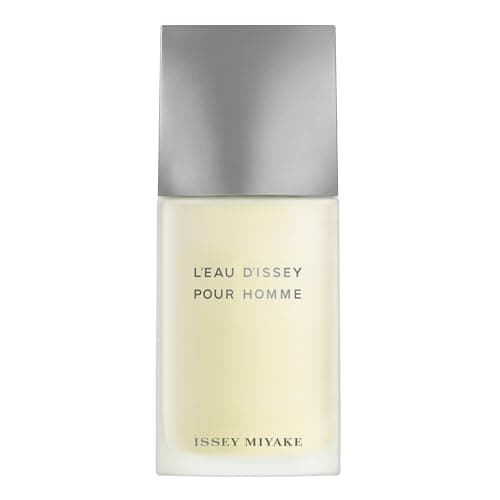
1. Issey Miyake L'Eau d'Issey Pour Homme — the citrus that lasts
The 1994 yuzu-and-cypress classic, and the structural answer to everything in the section above: there is real cypress and spice under the citrus, so it holds. It reads clean, faintly peppery and more composed than the watery freshies it is usually shelved beside, which is why it works for a professional setting and for a man who does not want to smell like a teenager. The honest catch is the first ten minutes: the opening is bracingly sharp and soapy before it settles. Our full review has the detail.
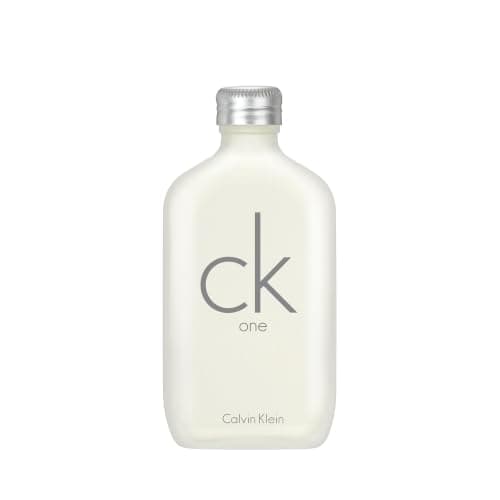
2. Calvin Klein CK One — the original unisex citrus
The 1994 Alberto Morillas and Harry Fremont composition that invented the shared-fragrance category: green tea, bergamot and cardamom over a papery violet-and-orris heart, into clean amber and musk. It is bright, soapy and genuinely unisex, and it still outsells most of what came after it. Longevity is modest and it is not trying to be impressive — it is trying to be easy, and it is the best-executed easy citrus on the shelf. See the Calvin Klein range for where it sits in the house.
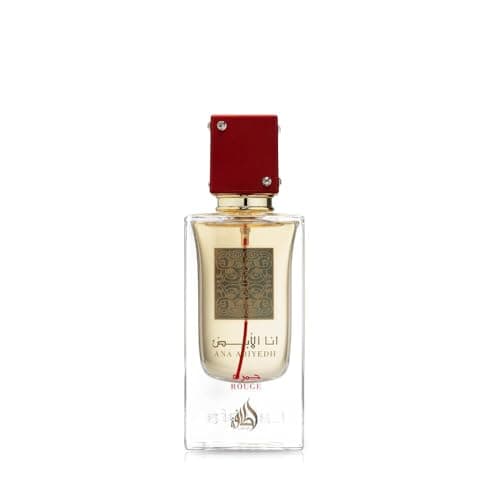
3. Lattafa Ana Abiyedh Rouge — the budget pick
The cheapest bottle on this page by a wide margin, and the only eau de parfum in the top three. It is a clean, soapy citrus-floral that owner reviews line up against the classic designer freshies: understated and mature rather than loud, and the one pick here you can replace without thinking about it. If citrus is your daily default and you go through bottles, start here. The Ana Abiyedh review is blunt about what you get for the money.
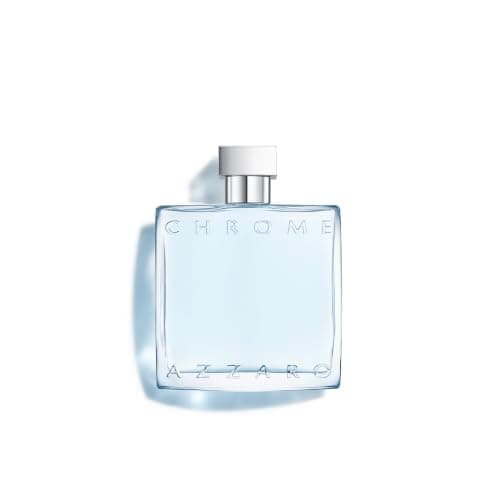
4. Azzaro Chrome — the soapy-shower citrus
Lemon and bergamot over rosemary, a light floral heart and a soft musky-woody base, in production since 1996 and objected to by nobody in three decades. Chrome is the most "clean" reading of citrus here — closer to good soap than to fruit — and it is the easiest of the eight to wear without any thought at all. Light-to-moderate longevity is the trade; keep it in a drawer at work. Our Chrome review and Chrome vs Cool Water cover the usual budget-fresh argument.
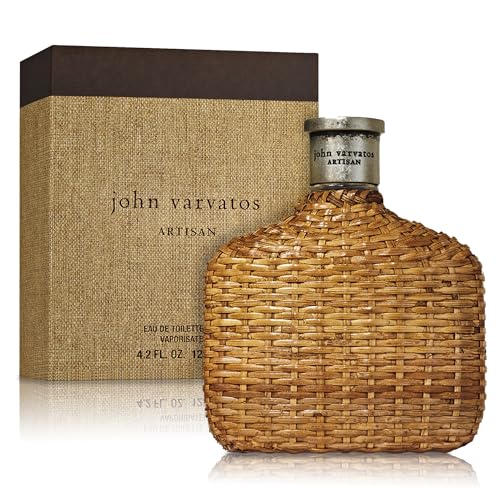
5. John Varvatos Artisan — the herbal citrus
Clementine, tangerine, marjoram and thyme over ginger, lavender, jasmine and orange blossom, landing on amber, musk and soft woods. The herbs are the point: they stop it being a plain citrus, and the ginger gives it a dry warmth that makes it wearable later in the year than most of this family. Modest longevity again, and the most distinctive scent on the page. The John Varvatos range is ranked in full.
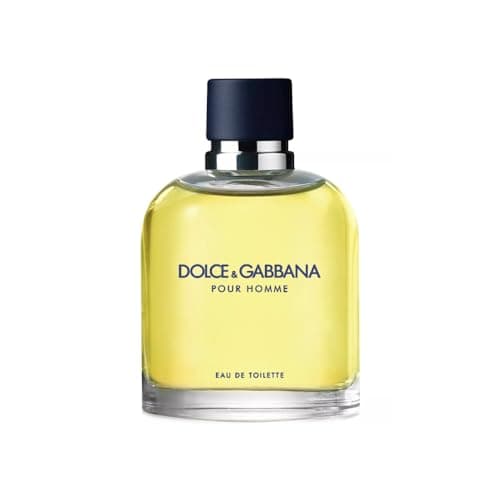
6. Dolce&Gabbana Pour Homme — the classical citrus-fougère
The house's first men's fragrance, launched in 1994 and reworked in 2012; the bottle on sale now publishes the shorter 2012 pyramid of bergamot, mandarin and neroli over lavender, sage and pepper, finishing on tobacco, tonka bean and cedar. That base is why it is here: it is the warmest citrus on the page and the one that works in fall. If you find most citrus too thin, this is the pick.
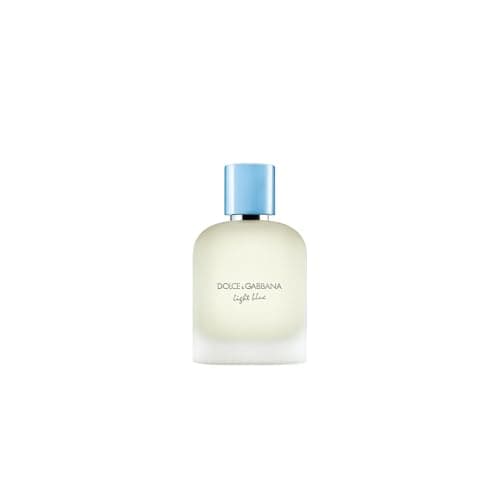
7. Dolce&Gabbana New Light Blue Pour Homme — the archetype, with a caveat
The Capri citrus that defined designer summer in 2007. Two honest notes before you buy: the bottle on sale now is the 2025 version, which the house describes as refined rather than reformulated and which publishes a much shorter pyramid — lemon, rosemary, patchouli — under a woody-aromatic family label, and longevity is the weakest on this page. It still smells like summer, and if the Mediterranean-citrus idea is what you came for, nothing else here is as literal about it. Know what you are paying for.
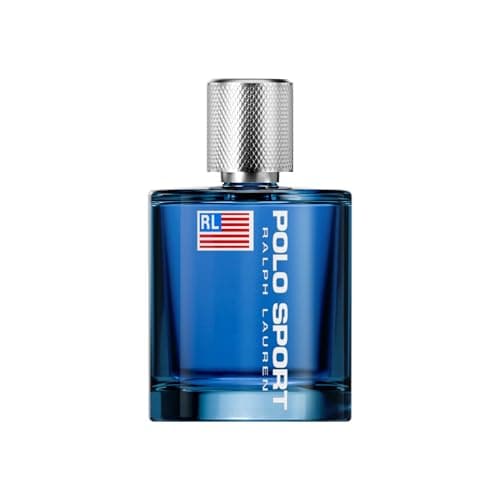
8. Ralph Lauren Polo Sport — the gym-bag citrus
Harry Fremont's 1994 sport fresh: mint and aldehydes with bergamot and lemon up top, seagrass and ginger through the middle, sandalwood, cedar and musk underneath. Cold, soapy and completely unpretentious, and it costs less than almost anything else with a designer name on it. Longevity is short, which on a gym bottle is close to irrelevant. See best cologne for the gym for the rest of that use case.
How to make a citrus cologne last longer
Three things help, and none of them is spraying more. Apply to moisturized skin — citrus flashes off dry skin faster than almost anything else. Spray on the chest and the base of the neck under a collar rather than on exposed forearms, so your clothes hold some of it. And accept a midday reapplication as part of the deal: a 50 ml citrus bottle is meant to be used, not curated. Our how to make cologne last longer guide has the full routine, and EDT vs EDP explains why six of these eight are eau de toilettes and what that costs you.