Heat is a filter, not a mood
Summer does not just change what you feel like wearing — it changes what a fragrance physically does. Warm skin is a more efficient diffuser: it pushes the volatile top notes off you faster and amplifies everything underneath. That is why the amber gourmand you loved in February can turn syrupy and headachy by 10am in July, and why a scent that felt polite indoors suddenly announces itself in a lift. The bottles below were chosen because heat improves them, or at least leaves them intact. That is a much shorter list than "fragrances that smell nice."
It also cuts the other way, and this is the part most summer roundups skip. The same lightness that makes a citrus-aquatic wearable at 90 degrees is what makes it evaporate. Bright, small, volatile molecules are exactly the ones that leave first. So a genuinely useful summer ranking cannot just list the freshest-smelling things on the shelf — it has to be honest about which of them are gone by lunchtime, because that is the single most common complaint owners make about every scent in this category.
What we judged these on
Four criteria, applied in this order. They are the reason the ranking looks the way it does, and they are worth knowing even if you buy none of these.
1. Does it stay legible in heat? A fragrance has to keep its shape when your skin is warm and slightly damp. Citrus, marine, green and light woody structures do; heavy resins, thick vanillas and dense ambers tend to smear into something sweet and flat. This criterion alone eliminates most of the fragrance world.
2. Does it survive the day? Measured against aggregated owner and community longevity reports, not against a marketing claim. We weighted this heavily, because "smells incredible for forty minutes" is a bad purchase at designer money. Where a pick is weak here, we say so on its card rather than burying it.
3. Where can you actually wear it? Summer is not one occasion. An office in July, a beach, a wedding and a rooftop at 9pm all want different things, and a scent that is perfect for one can be a liability in another. Each pick below is tagged with the job it does best.
4. What does it cost per wear? Not just the sticker price. A cheap bottle you spray four times a day and a designer bottle you spray twice can land in the same place — and sometimes the cheap one wins outright. We say plainly when it does.
The trade-off nobody warns you about
You can have a fragrance that is effortless in heat, or one that lasts all day, and only rarely both. The picks at the top of this list are the ones that come closest to doing both jobs at once — a structured fresh scent with enough woody or spicy base to hold on. Further down are the pure summer specialists: lovely, correct for the season, and honestly short-lived. Neither is wrong. But knowing which one you are buying is the difference between a good purchase and a bottle that quietly annoys you for two years. If you want the vocabulary behind all this, the longevity and sillage guide explains what those words actually mean.
What we left off, and why
No heavy ambers, tobacco scents or dessert gourmands, however good they are — they belong to cold weather and we would rather tell you that than pad the list. We also kept our buy links on fragrances that are reliably and legitimately stocked. Some of the most-recommended summer bottles in enthusiast circles sit behind restricted or gray-market third-party listings where counterfeits are a genuine risk; we discuss those where relevant but we will not send you to a listing we would not buy from ourselves. Where the money is better spent on a cheaper alternative, we say that too — see the affordable ranking for the same logic applied to the whole year.
How to read the ranking
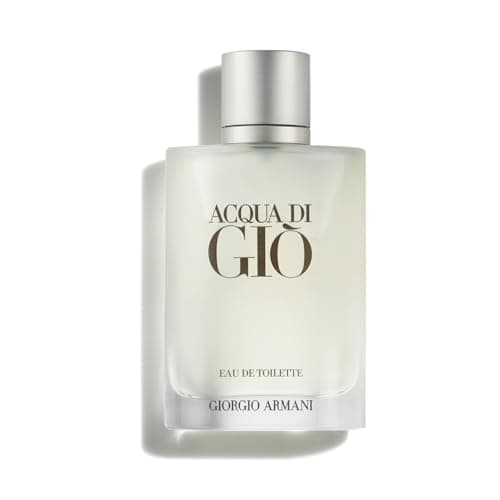
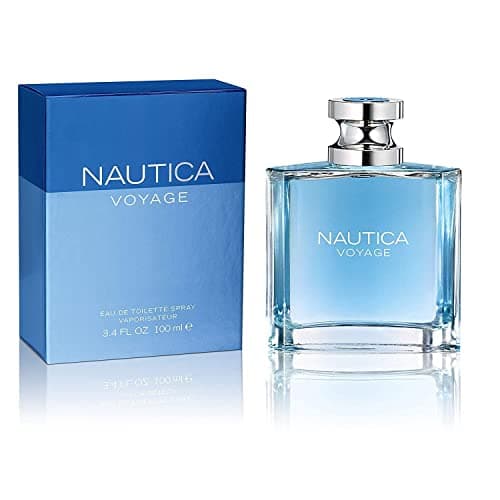
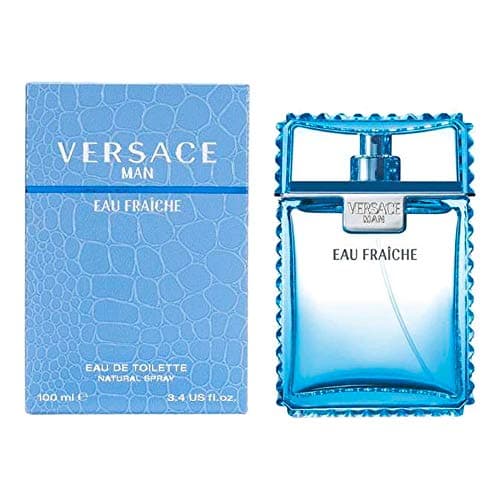
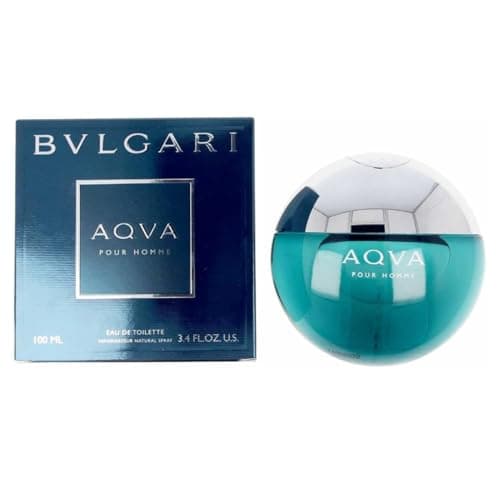
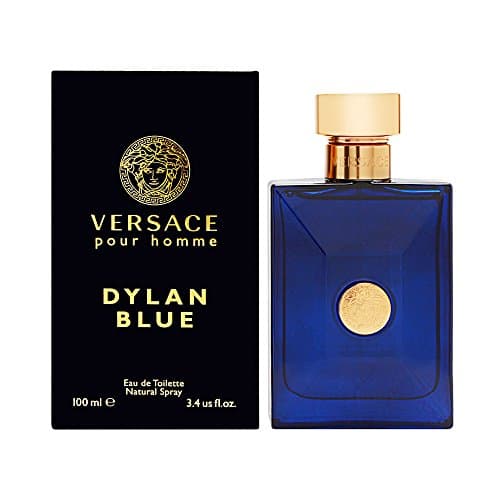
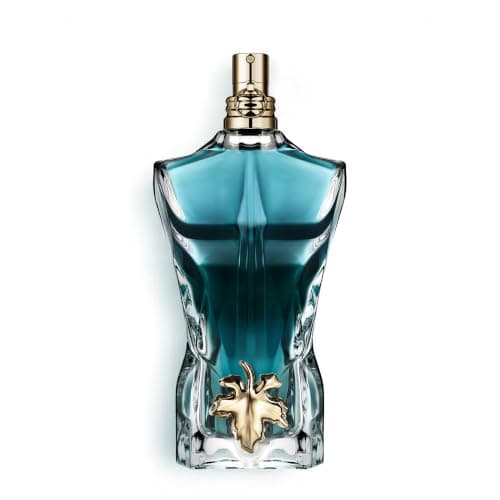
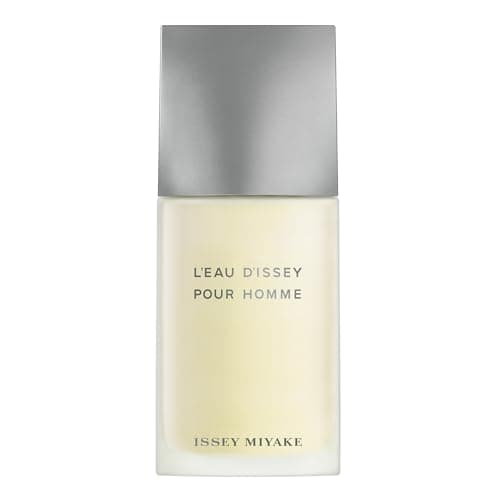
Rank one is the pick that does the most jobs well in hot weather, not the one with the most interesting story. As you move down, the picks get more specific: a benchmark aquatic, a budget crowd-pleaser, a marine with actual minerality, a coconut scent for evenings, and the famous Mediterranean citrus that we rank low on purpose and explain why. Every card carries a plain "don't buy this if" line. In summer that line matters more than usual, because heat turns small flaws into obvious ones.
How to buy for summer without wasting money
Concentration matters more in July than in January
Concentration is simply how much fragrance oil is in the formula: eau de cologne is lightest, then eau de toilette (EDT), then eau de parfum (EDP), then parfum. Most people assume summer means going as light as possible. In practice that is half right. A light EDT is easier to wear in heat but gives up longevity precisely when your skin is burning through it fastest — so a well-chosen fresh EDP, applied with a lighter hand, is often the smarter summer buy than an EDT you have to reapply twice. The EDT vs EDP guide walks through the whole ladder if you want the detail.
Change how you spray, not just what you spray
Two to four sprays is the year-round default; in real heat, drop to two and move them lower. Chest and forearms sit further from other people's noses than your neck does, which keeps a fragrance present without making it a public event on a packed train. Never spray onto skin you are about to put in direct sun — citrus oils and sunlight are a genuinely poor combination for some people. Our guide to applying cologne covers placement properly.
One bottle cannot do beach and boardroom
The single most useful thing you can do for a summer wardrobe is stop asking one fragrance to cover every occasion. A clean, structured citrus or marine handles work and daytime. Something sweeter, creamier or saltier handles evenings and holidays. Two modest bottles used correctly will always outperform one expensive bottle used everywhere — and buying the second one cheap is entirely legitimate.
Sample before you commit — sun changes everything
Skin chemistry is real, and heat exaggerates it. A note that reads as clean musk on a cool day can turn sour on warm skin, and the seaweed and coconut accords on this page are both notorious for splitting opinion exactly this way. Wear a sample through a genuinely hot day before spending on a full bottle. A discovery set or a decant costs a fraction of a bottle of regret.
Heat wrecks fragrance in storage, too
The bathroom windowsill and the car door pocket are the two worst places to keep a bottle, and summer is when they do the damage. Heat and UV break down the top notes first — the bright citrus that made you buy a summer scent in the first place. Keep bottles boxed, in a cupboard, away from the window. A fragrance stored properly stays recognizable for years; one left in a hot car can turn in a single season.
Buy the size you will actually finish
Summer scents are the ones people spray most heavily, so a large bottle can be good value — but only if the fragrance survives your interest. If you are trying a new direction (the coconut pick below is a good example), buy the smallest size or a travel spray first. If it is a proven crowd-pleaser you have worn before, the big bottle is usually the cheaper per-spray choice. Check the price per milliliter rather than the number on the shelf edge; the mid-size is frequently worse value than either end.