Christian Dior has been a couturier's name since 1946, but for a whole generation of men the word now means one thing: a bottle of Sauvage on the bathroom shelf. That is a strange fate for a house with one of the deepest fragrance benches in the business, and it is worth pulling apart, because the two ends of Dior's men's lineup could hardly be more different in mood.
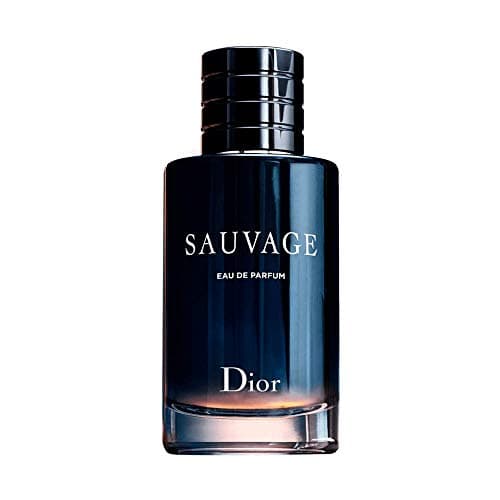
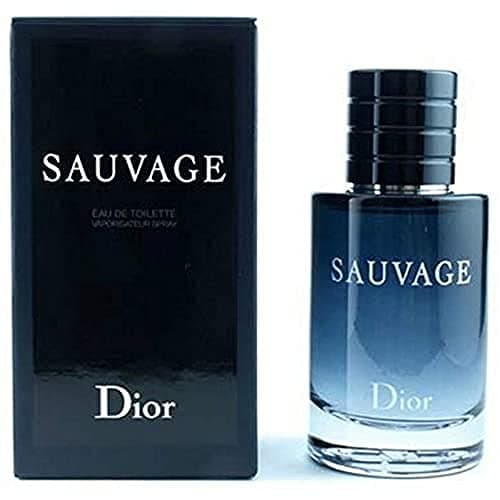
On one side sits the Sauvage empire. Launched in 2015 and since grown into a family of flankers, it is built around ambroxan — a clean, mineral, faintly salty synthetic amber that gives the scent its instantly recognizable "expensive fresh" hum. Bright bergamot up top, that ambroxan glow underneath, and a projection that fills a room without trying. It became, by Circana's count, the best-selling men's fragrance in the world, and its ubiquity is both the reason to buy it and the reason some people quietly resent it. The lighter Eau de Toilette (EDT — a lower-concentration, roughly 4–8% oil formulation that stays brighter and closer to that fresh opening) is the crowd-pleaser; the Eau de Parfum (EDP — richer, roughly 8–15% oil) trades some of the sharpness for vanilla warmth and longer wear.
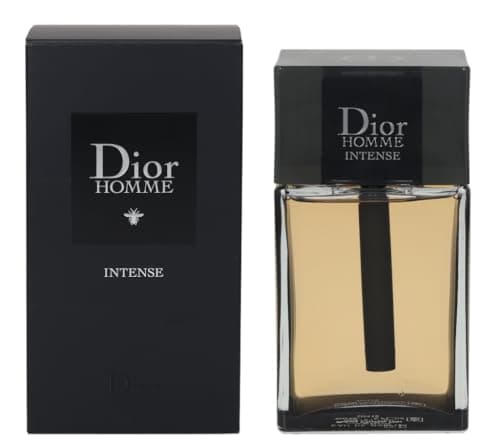
On the other side sits Dior Homme — a very different, older-feeling idea of elegance. This is the iris line: powdery, cool, a little like fine cosmetics and cocoa, refined in a way that reads as a grown man in a good suit rather than a guy heading to the gym. The Intense concentration is the one that has earned genuine devotion from enthusiasts, and it is about as far from Sauvage as Dior gets — formal where Sauvage is casual, distinctive where Sauvage is universal, an acquired taste where Sauvage is a safe bet.
So who is each for? If you want the single most reliable compliment-getter — something you can wear to work, on a date, or to a wedding and never think about again — the Sauvage side is the pragmatic answer, and the cheaper EDT does most of the job. If you already own three fresh scents and want something with more character and more occasion, the iris line rewards you. And if smelling like everyone else is the dealbreaker, that is the honest knock on Sauvage: it is superb, and it is everywhere. The picks below are ranked with live prices and the trade-offs spelled out, so you can match the bottle to the life you actually lead.
How to choose your Dior
Start with the question of how much you want to stand out. Dior's men's range splits cleanly into "blend in beautifully" and "stand apart," and picking the wrong side is how people end up with a bottle they admire but never reach for.
Match the concentration to the season
The fresher, ambroxan-forward Sauvage EDT is a year-round workhorse that shines in warm weather, where its brightness stays crisp instead of turning heavy. The EDP and the warmer, sweeter flankers come into their own in fall and winter, when the vanilla-amber base has cold air to push against. Longevity — how long a scent lasts on skin — climbs with concentration, so if you are frustrated by a fragrance fading before lunch, the parfum-strength options are the fix.
Decide how loud you want to be
Sillage (the French word for "wake" — the scent trail you leave behind you) and projection (the size of your scent bubble while you stand still) are where Sauvage earns its reputation and where the iris-based Dior Homme deliberately pulls back. If you work on a small or open-plan floor, the refined, close-to-skin elegance of the Homme line is the courteous choice; if you want people to notice you across a bar, the Sauvage family is engineered for exactly that.
Who should skip Dior entirely
If the goal is to smell like nobody else in the room, be honest with yourself about Sauvage — it is genuinely well-made, but it is the most-worn men's scent on earth, and there is no version of it that feels rare. And if you dislike powdery, makeup-adjacent notes, the Dior Homme iris signature will read as strange rather than sophisticated. In both cases you are better served by another house — a good problem to have, and one the rest of this site is built to solve.