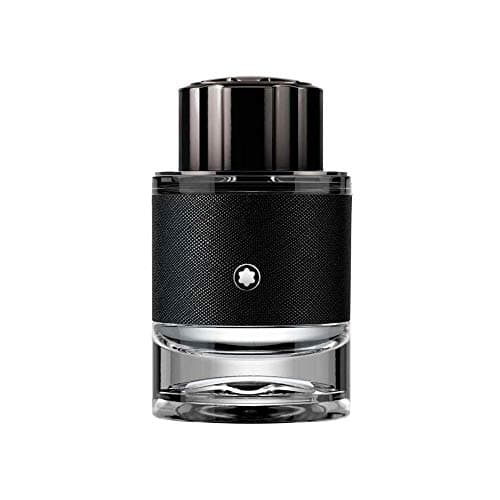
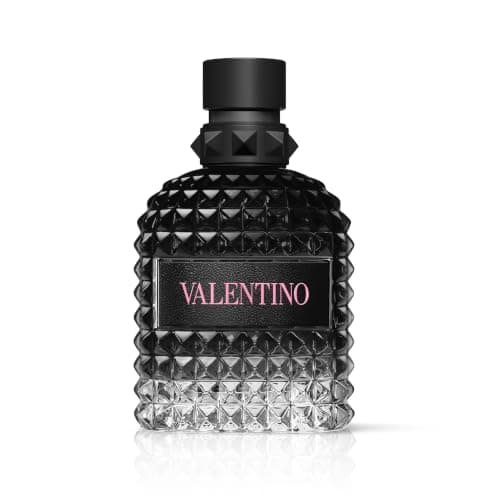
Woody is the family that grows on you. Where fresh is about the top of a fragrance — the bright, fleeting opening — woody lives in the base, the deep notes that emerge about thirty minutes in and linger for the rest of the day. The four workhorses here are sandalwood (creamy, milky, almost sweet), cedar (dry, sharp, pencil-shaving clean), vetiver (a rooty grass that reads earthy and a little smoky), and patchouli (dark, damp, and divisive). Blenders reach for these because wood gives a scent a spine: it is what makes a fragrance feel structured and expensive rather than thin.
The most useful split inside the family is dry woods versus creamy woods. Dry-woody scents — cedar and vetiver forward — smell crisp, mineral, and slightly austere; they pair beautifully with citrus and pepper and can absolutely be worn in warm weather. Creamy woods lean on sandalwood and are softer, rounder, and cozier, which pushes them toward fall and winter. Working out which side of that line you like is the single most useful thing you can learn about your own taste.
Why do woody scents read mature? Partly convention — these are the notes under a lot of classic men's fragrances — and partly because they are quiet in a way sweet or loud scents are not. A good woody smells like it belongs on someone with somewhere to be, which is exactly why the family is a safe bet for the office, interviews, and any room where you want to be taken seriously. It is also genuinely versatile: while woody peaks in cooler months, plenty of people wear a dry cedar-vetiver year-round without a second thought.
The honest catch is that woody can tip into "dad's cologne" territory if you pick the wrong one. The dated versions are heavy, powdery, and a little suffocating. Skip this family entirely if you want something bright, juicy, or crowd-pleasing on a first impression — a woody scent works slowly and rewards patience rather than shouting for attention. If that quiet confidence is what you are after, though, nothing else in fragrance does it as well. The picks below run from creamy and formal to dry and everyday, so you can match the wood to the life you actually lead.
How to choose a woody cologne
Decide dry or creamy first. If you like clean, sharp, understated scents — think freshly sharpened pencils and cut grass — go dry: cedar and vetiver. If you like warm, soft, faintly sweet comfort scents, go creamy: sandalwood. Most people have a clear gut reaction to sandalwood one way or the other, so smell it in isolation before you buy anything built around it.
Then think about season and setting. A creamy, ambered woody is a cold-weather and evening scent; it can feel heavy in July or in a warm meeting room. A dry cedar or vetiver is the true year-rounder and the safest single-bottle choice if you only want one woody in the rotation. For the office specifically, aim for moderate projection — the scent bubble around you while you sit still — because a woody that projects hard reads as trying too hard in close quarters.
Concentration matters more here than it does with fresh scents. Woody base notes are naturally long-lasting, so even an EDT will usually see you through a workday; stepping up to an EDP mostly buys you more projection and a denser, richer feel rather than dramatically more hours. If you want to understand that trade-off before spending, our EDT vs EDP guide breaks it down. And do not overlook the value tier — several Arabian and mid-price houses do sandalwood and vetiver as convincingly as bottles costing three times more, so the pricier option is often the vanity buy, not the better scent. The clearest example of that trade-off sitting inside one house is the Bottled line, which our ranking of the best Hugo Boss colognes takes apart bottle by bottle. And if what you actually want is the smoky, suede end of the spectrum rather than dry woods, that is a family of its own: leather fragrances are ranked separately.
The softest neighbor to this family
If dry woods read a little severe to you, the family next door is powdery: iris, violet and heliotrope over soft musk, quieter and warmer than cedar or vetiver. Our powdery profile ranks it, and two of its picks sit on the woody side of the line anyway.