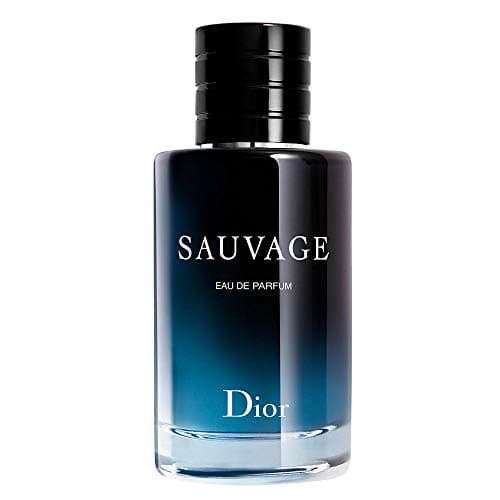
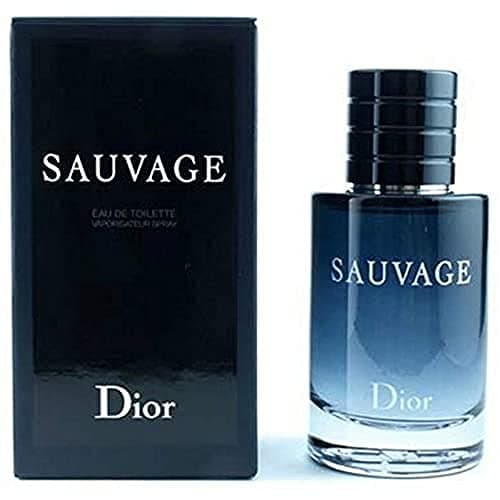
Dior Sauvage is the best-selling men's fragrance in the world, and it comes in more than one concentration — which is exactly where the confusion starts. The two versions most people are choosing between are the original Eau de Toilette (EDT) and the later Eau de Parfum (EDP). They share the same famous, snappy bergamot opening, so in a store they can seem almost interchangeable. They are not. What happens after the first thirty minutes — the dry-down — is genuinely different, and that difference is the whole decision.
The short of it: the EDT is the brighter, sharper, more versatile one, built on a huge dose of ambroxan (a clean, radiant, slightly salty-sweet amber-woody molecule) that reads fresh and works in almost any season. The EDP is warmer, sweeter and longer-lasting, with vanilla and amber softening the ambroxan blast into something cozier and more suited to cold weather and evenings. Neither is "better" — they are two answers to different questions. If you want the exact mechanics of why concentration changes a scent this much, our EDT vs EDP guide lays out the whole ladder.
Where they diverge
Both open on that instantly recognizable bergamot-and-pepper freshness, which is why the first ten minutes fool people into thinking they smell the same. The EDT then dries down into its signature: a clean, powerful, radiant ambroxan haze that is relentlessly likeable and reads more or less the same in July and January. The EDP takes a turn — the ambroxan is still there, but vanilla and a fuller amber base push it warmer and sweeter, so it feels richer, sits a little closer in warm rooms, and comes alive when the temperature drops. On raw performance the EDP generally lasts longer and feels heavier; the EDT projects hard for a fresh scent but is the lighter, more office-and-summer-friendly of the two.
| | Sauvage EDT (the original) | Sauvage EDP |
|---|
| Character | Bright, fresh, radiant ambroxan | Warmer, sweeter, vanilla-amber |
| Best season | Year-round; excels in heat and the office | Fall and winter; evenings |
| Longevity (our judgment) | Good — strong for a fresh scent | Longer; the heavier, cozier wear |
| Who it is for | Maximum versatility, one-bottle simplicity | You already like Sauvage and want more warmth and staying power |
Which Sauvage should you buy?
If this is your first Sauvage and you want one bottle that covers the most ground, buy the EDT. It is the more versatile of the two by a clear margin — bright enough for summer and the office, strong enough for most evenings, and the version the world fell for. Buy the EDP when you already know you like the Sauvage smell and specifically want more warmth, sweetness and longevity for cold weather and nights out; it is the upgrade, not the starting point.
A couple of honest caveats before you spend. First, both are ambroxan-heavy, and a small number of people are partly nose-blind to ambroxan and find either version seems to "disappear" on them within an hour — if that is you, this whole family may not be your friend regardless of concentration. Second, remember what you are actually paying for: the EDP is not a "better" fragrance, just a warmer, stronger one, so do not upgrade on the assumption that more money means more quality. And the one thing neither version escapes is ubiquity — this is the most-worn scent on earth, so if smelling distinctive matters to you, read our Sauvage alternatives instead. For the full editorial take on the scent itself, see our Dior Sauvage review.