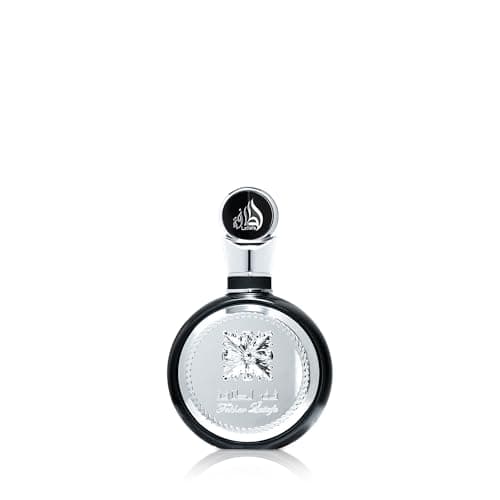
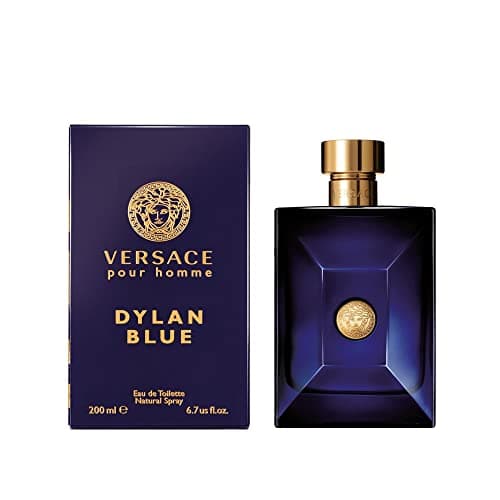
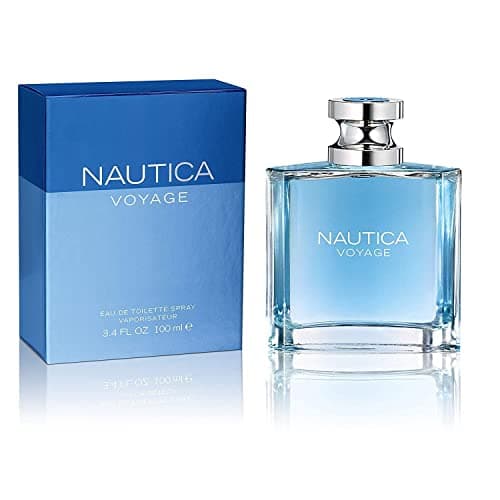
The short answer: your skin is a solvent, a heater and a surface, and all three vary from person to person. Fragrance is a mixture of volatile materials suspended in alcohol, and how fast each of those materials lifts off depends on how oily your skin is, how warm it is, how acidic it is and what else is already on it. The same two sprays on two people genuinely do not release in the same order or at the same rate. But the effect is usually a shift in emphasis — sweeter here, sharper there, shorter overall — rather than the dramatic transformation people describe online.
The four things that actually change it
1. Skin oil — the big one
Fragrance molecules bind to the lipids in sebum. Oily skin holds them longer and releases them more slowly, which means a fragrance lasts longer, projects more steadily and leans warmer. Dry skin sheds the top notes fast and often loses the whole composition hours early. This is far and away the largest single variable, and it is also the only one you can cheaply change: an unscented moisturizer before you spray is the most reliable longevity upgrade available. Our why cologne fades on skin guide covers that in detail.
2. Skin temperature
Warmer skin volatilizes everything faster. That is why a fragrance blooms the moment you walk into a warm room, why pulse points work, and why the same bottle reads loud in July and quiet in January. If you run warm, you need fewer sprays than the person next to you — not more.
3. pH and the skin microbiome
Healthy skin sits on the acidic side of neutral, and the exact figure varies with genetics, age, washing habits and the products you use. The resident bacteria differ too. Both can subtly alter how some materials present — this is the part usually labeled "skin chemistry" — but the effect is modest and far less predictable than the confident advice on forums suggests. Nobody can tell you in advance which fragrances will go sour on you.
4. What is already on your skin
Scented soap, deodorant, aftershave balm, hair product, laundry detergent on your collar. These stack, and on a fresh fragrance they are usually the loudest thing in the first fifteen minutes. If a bottle smells wrong on you and right on the blotter, this is the first suspect and the easiest to eliminate. Our cologne vs deodorant guide deals with the most common collision.
The thing that is not skin chemistry at all
A large share of "it smells different on me" is actually nose blindness — olfactory fatigue. Your nose stops registering a constant stimulus within minutes, so the version you smell on yourself after half an hour is a fraction of what other people smell. Combine that with specific anosmia, where a person simply cannot detect one particular molecule, and you get the common complaint that a famously powerful fragrance vanished within an hour while everyone else could smell it fine. Neither is a faulty bottle. Our ambroxan explainer covers the most frequent culprit.
How to test a fragrance on your own skin
Never judge from the blotter
Paper has no oil, no heat and no bacteria, so it gives you the composition as the perfumer built it rather than as you will wear it. Use the blotter to decide whether something is worth putting on skin, and nothing more. One fragrance at a time, on the inside of the forearm, and then leave it alone for at least four hours.
Judge the dry-down, not the opening
The first ten minutes are mostly alcohol and top notes, and they are the least representative part of the wear. The materials that actually define how a fragrance smells on you — base notes, musks, woods, resins — only arrive after an hour and then stay for the rest of the day. Most regretted purchases are bought in the first ten minutes. Our sampling guide sets out a sensible routine, and discovery sets are the cheap way to do it at home.
Ask someone else
You are the worst available judge of your own fragrance after the first half hour, for the reason above. One honest person at arm's length is worth more than any amount of sniffing your own wrist.
Start with forgiving bottles
Some compositions are more sensitive to skin than others. Heavy gourmands, animalic bases and anything built on a single dominant natural material will vary most between wearers. Clean, synthetic, well-balanced fresh fragrances vary least — which is why the three picks below are the sensible ones to learn on. All three are cheap, widely liked, and unlikely to turn on anyone. Once you know how your skin treats a simple fresh scent, you can predict the harder ones better. Our best cologne for beginners list is built on the same logic.
If a fragrance genuinely goes sour on you
It happens, most often with sweet ambers and heavy gourmands on oily skin, where the sweetness can tip into something stale by the afternoon. Three fixes in order of cost: spray less, spray onto clothing instead of skin where the fabric will not mark, or move to a drier family. The woody and green profiles are the two that misbehave least, and does cologne stain clothes covers the fabric question properly before you try it.