The classic "is niche worth it?" question
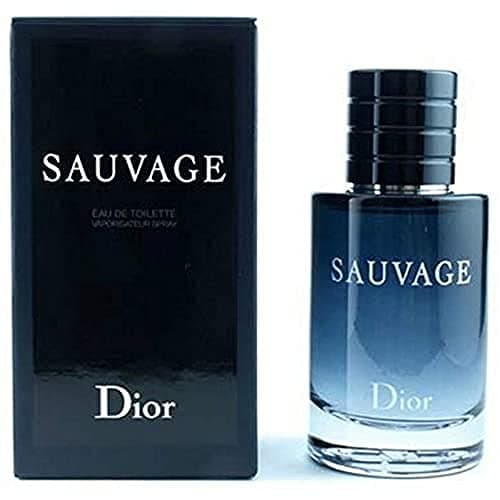
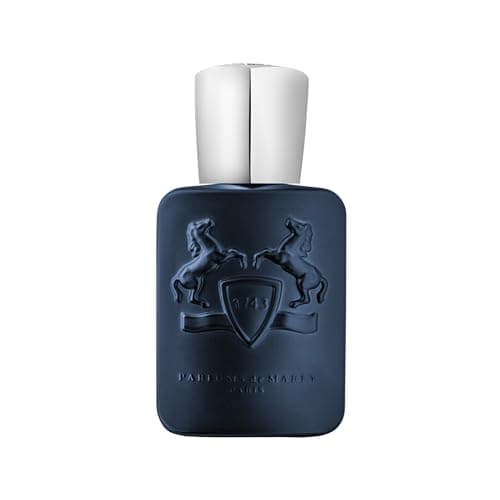
This is one of the most-asked cross-shops in men's fragrance, because the two scents actually share some DNA — both play with apple, lavender and pepper — yet they sit at very different prices. Dior Sauvage is the designer best-seller: a fresh, ambroxan-bright crowd-pleaser that half the men in any room own. Parfums de Marly Laytonis the niche crowd-pleaser: a richer, sweeter, warmer take built on apple and lavender over vanilla, pepper and sandalwood. The real question is not which smells better in isolation, but whether Layton's upgrade is worth roughly three times the outlay.
The quick version: Sauvage is the safe, versatile, year-round, value choice; Layton is the richer, cozier, more luxurious cold-weather scent that reads more expensive because it is. If budget and versatility lead, Sauvage; if you want depth, warmth and a step up in richness and are happy to pay for it, Layton.
How they smell, side by side
Sauvage (EDT) is bright bergamot and cracked pepper over a clean, mineral ambroxan and cedar base — radiant, versatile and universally flattering, if extremely familiar. It is the definition of an easy, safe fresh scent. Full detail in the Sauvage review.
Layton takes a similar bright-and-peppery idea somewhere much warmer: sweet apple and lavender over a rich vanilla, pepper and creamy sandalwood base that reads cozy, luxurious and unmistakably expensive. It is the reference point a lot of designer sweet scents chase, and it has big performance to match. It is a cold-weather crowd-pleaser rather than a year-round one.
| | Layton (EDP, niche) | Sauvage (EDT, designer) |
|---|
| Character | Rich sweet-spicy — apple, lavender, vanilla | Fresh — bergamot, pepper, ambroxan |
| Vibe | Luxurious, cozy, cold-weather | Clean, versatile, year-round |
| Price bracket | Niche — a serious outlay | Designer — mainstream value |
| Performance | Very strong by owner consensus | Strong for its class |
Performance and value — the community read
By owner and community consensus Layton is the bigger performer — long wear and strong projection are a core part of its appeal, and it delivers the richness people expect from a niche price. Sauvage performs well for a designer EDT and is a hair more versatile as a pure crowd-pleaser. But value is where the comparison gets honest: Layton costs roughly three times as much, and while it smells richer and more expensive, price correlates only loosely with how much you will actually enjoy wearing something. We do not claim lab-tested hours; the pattern is that both perform well, and Layton performs bigger.
Is the niche worth 3x?
Sometimes. Layton genuinely sounds and feels more luxurious, wears warmer and reads more expensive, and if that richness speaks to you in a way Sauvage never will, it can be worth the money. But it is not worth it as a pure status buy, and it is far less versatile — a cold-weather scent, not an everyday one. Many people are better served buying Sauvage for daily wear and, if they love the sweet-niche style, sampling Layton before committing. Our designer vs niche guide walks through how to make that call without overpaying.
The honest cons
Sauvage's only real flaw is ubiquity — superb, and everywhere. Layton's knocks are price and, ironically, its own success: it has been cloned so widely that it is less unique than it once was, and its sweet richness ties it firmly to cold weather. Neither is a mistake; the decision is about whether the upgrade earns its cost for how you will wear it.
Season, occasion and the money question
Versatility is the quiet decider here, and it favors Sauvage more than the smell-test alone suggests. Sauvage genuinely goes anywhere across every season — office, daytime, evening, hot or cold — which means that even before you factor in price, it earns more wears per year than Layton can. Layton is a cold-weather scent: rich, sweet and cozy, it is glorious on a winter evening and heavy on a summer afternoon, so a large part of the year it stays on the shelf. When you divide the outlay by the number of days you will realistically wear each, the value gap widens beyond the sticker difference.
That said, there are wearers for whom Layton is plainly the better buy. If you already own a versatile daily fresh scent, if you love warm sweet-spicy styles, and if you specifically want something that reads richer and more luxurious than anything on the designer shelf, Layton delivers exactly that and does it beautifully. It is also a scent that rewards the occasions where you want to feel a bit special — the kind of thing you reach for deliberately rather than by habit. The trap is buying it as a status symbol or a Sauvage "upgrade" when what you actually needed was a second versatile scent.
And this is where the clone economy quietly changes the math. Layton has been approximated by numerous affordable houses, so if it is the general vibe you are after rather than the exact juice, you can sample that territory cheaply before committing niche money to the original. That option does not exist in the same way for Sauvage's role, because Sauvage is already the affordable, ubiquitous default.
The verdict
For value, versatility and sheer wears-per-year, Sauvage wins the everyday contest, and for most people it is the sensible purchase. Layton wins the narrower category of cold-weather richness and "smells genuinely expensive," and for the wearer who wants that and can pay for it, the upgrade is real rather than imaginary.
So the honest answer to "is the niche worth 3x?" is: only if you want precisely what it offers and will wear it enough to justify it. If you are choosing your one signature scent on a budget, Sauvage. If Layton's warmth thrills you in a way nothing cheaper does and you have your everyday slot covered, it earns its price — just sample it first, over a full day, before you spend.
One closing thought on how to buy smart here: treat the decision as a sequence, not a coin flip. If you do not yet own a versatile, everyday scent, buy Sauvage first — it is the foundation any collection needs, and it frees you to add richness later without leaving a gap in your daily rotation. Then, if you find you genuinely love warm, sweet, cold-weather scents, sample Layton properly before committing, ideally a decant worn over a full winter day, so you know the niche outlay is buying you real enjoyment rather than a nice idea. Bought in that order, you either save the money entirely or spend it with total confidence. Bought the other way round — Layton first, as a status upgrade — you risk owning an expensive seasonal scent and still needing a versatile everyday one.