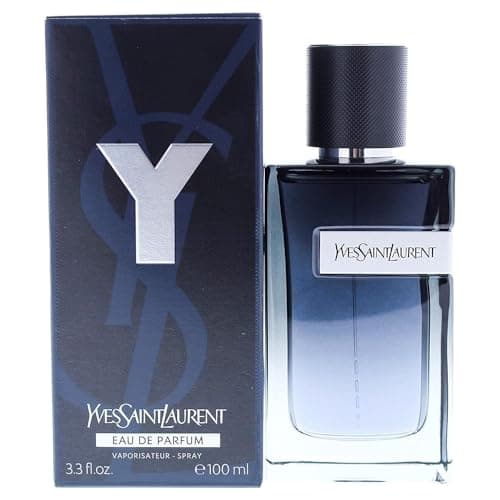
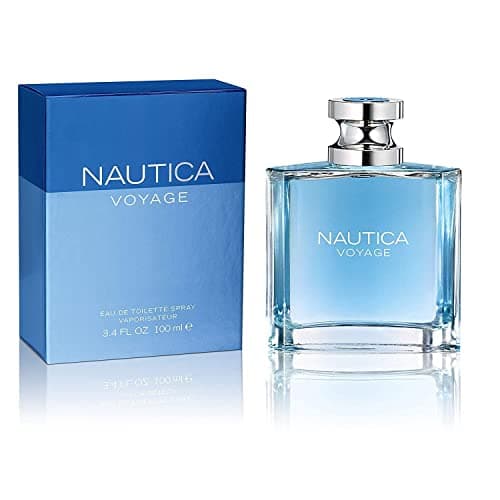
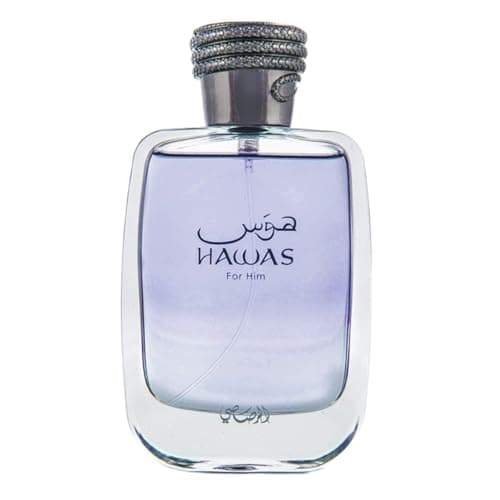
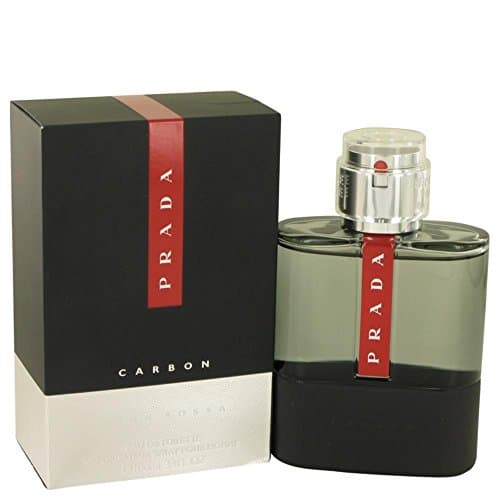
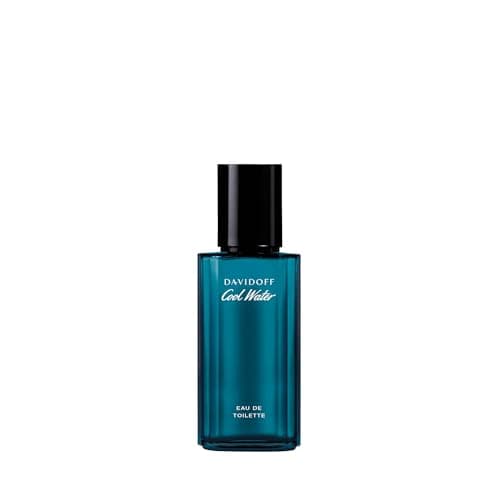
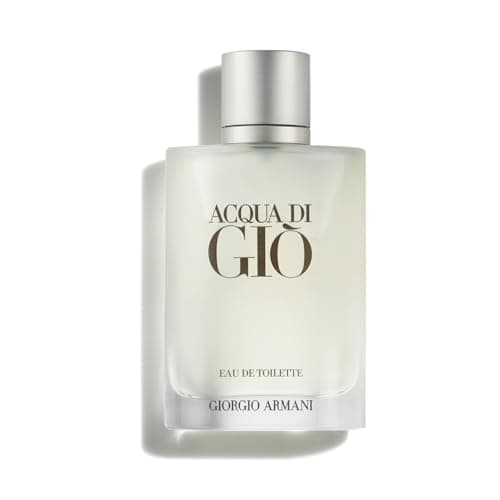
Fresh is the biggest, safest lane in men's fragrance, and for most people it is the right place to start. When enthusiasts say a cologne smells "fresh," they are usually pointing at one of three related sub-families on the Michael Edwards fragrance wheel: citrus (lemon, bergamot, grapefruit), aquatic (that clean, salty, just-out-of-the-shower marine accord), and green (crushed leaves, cut grass, herbs). A quick word on the label itself: "cologne" technically means a light citrus splash of roughly 2 to 4 percent oil, but in everyday American usage it just means men's fragrance in general. Most of the fresh colognes below are actually eau de toilette (EDT) or eau de parfum (EDP) — stronger concentrations that last longer than a true cologne would.
Why does fresh dominate? Because it is the hardest family to get wrong. These scents read clean, approachable, and inoffensive in exactly the settings where you cannot afford to be the person who wore too much: the office, a first date, a packed train, a summer wedding. They also handle heat the way no other family can. Warm skin amplifies a fragrance, so a rich amber that is lovely in December can turn cloying and headache-inducing in July. Bright citrus and cool aquatic notes stay legible when the temperature climbs, which is why fresh is the default recommendation for hot weather and for anyone who runs warm.
The honest criticism you will hear — and it is fair — is that fresh scents can be boring. A lot of them chase the same blue, soapy, fresh-clean template until they blur into one another on a department-store shelf. The fix is not to avoid the family; it is to pick a fresh fragrance with a point of view. A green vetiver that smells like a garden after rain, a salty aquatic with real citrus lift, an ambroxan-driven modern fresh with a little pepper and swagger — those are fresh scents that still say something.
Two more terms worth defining before you shop, because they shape the ranking below: longevity is how long a scent lasts on your skin, and sillage (from the French for a boat's wake) is the scent trail you leave behind you as you move. Fresh fragrances often trade a little of both for their easy wearability — that is the deal you make for something you can wear anywhere without a second thought. The picks that follow are ordered with that trade-off in mind, from the most versatile all-rounders to the value bottles that punch well above their price.
How to choose a fresh cologne
Start with the sub-family, because they behave differently. Citrus is the most classic and the most fleeting — those lemon and bergamot top notes are the first to burn off, often inside the first half hour, so citrus-forward scents reward reapplication and suit shorter wears. Aquatic is the crowd-pleaser: clean, safe, and almost universally liked, which is also why it is the easiest to smell generic. Green is the connoisseur's pick — herbs, vetiver, and galbanum give a fresh scent grip and a grown-up edge, at the cost of being slightly less of a guaranteed compliment magnet.
Next, weigh concentration against your day. An EDT feels brighter and truer to those sparkling top notes but fades faster; the EDP version of the same scent usually lasts longer and projects more, which is great for a long day and can be too much in a hot, close room. If you are new to the family and want one bottle that does the most, a fresh EDT in the aquatic-to-citrus range is the safest buy — and often the cheaper bottle is genuinely the smarter one here, because fresh is the family where budget houses compete hardest with the designers.
Finally, test on skin, not paper. Fresh accords in particular can smell flat on a blotter and either come alive or turn sharp on warm skin. Give it four hours before you judge — the version you will actually wear is the dry-down, not the opening spritz. If you want to sample a few before committing, a discovery set is the low-risk way in; see our discovery sets guide. Fresh also has a third sub-family worth knowing as its own lane: green — vetiver, cut grass and pine rather than clean blue water — which is where to go when the aquatics start to blur together.