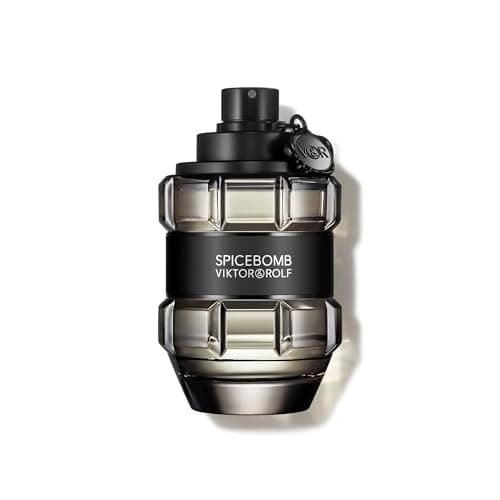
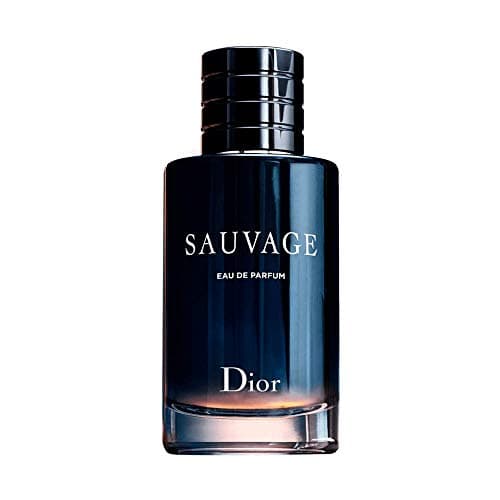
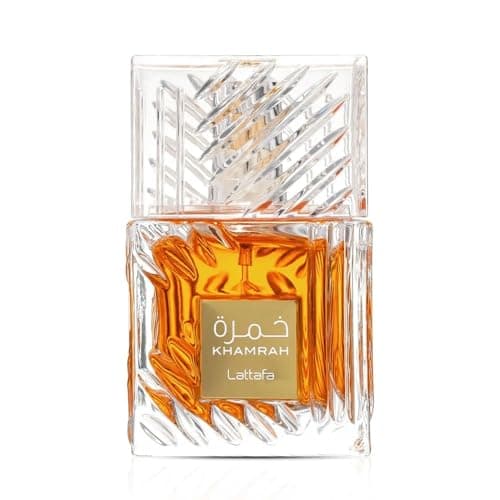
Amber is the warm, glowing, cold-weather end of fragrance — and if you have shopped for cologne in the last few years, you have watched it get renamed in real time. This family was called "Oriental" for decades, but the industry, led by the same Michael Edwards whose wheel organizes these families, has largely retired that term as dated and culturally loaded and now labels the category "Amber." The scents themselves did not change; the word did. What sits under that label is a blend of warm resins (labdanum, benzoin), balsams, sweet vanilla, and dry spice — cinnamon, clove, cardamom, and often a thread of tobacco or incense.
The logic of amber is the mirror image of fresh. Where citrus and aquatic notes stay legible in heat, amber's whole job is to bloom in the cold. Resins and vanilla are heavy, slow-evaporating materials that can feel syrupy and suffocating on hot skin but turn rich and comforting once the temperature drops. This is the family for sweaters, evenings, restaurants, and winter nights out — a scent that radiates warmth precisely when the weather does not.
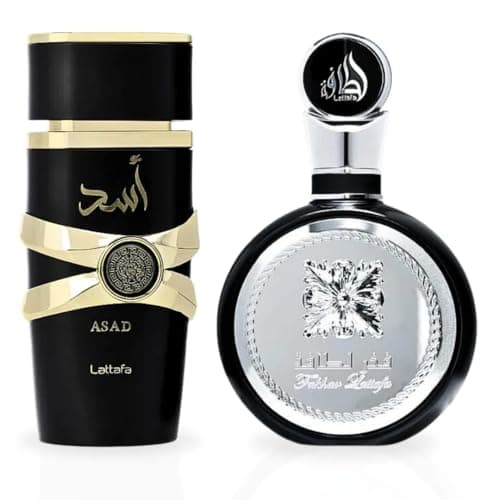
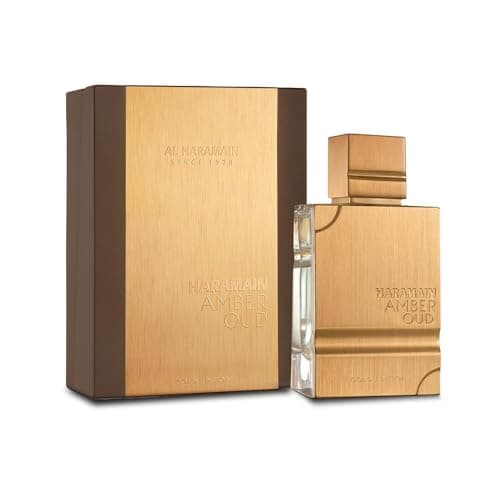
The big modern development inside amber is the gourmand crossover. Gourmand means edible, dessert-like notes — vanilla, caramel, coffee, dried fruit — and pairing them with a warm amber base produces the sweet, boozy, smells-delicious profile that has dominated compliment-magnet fragrance for the last few years. It is also where the Arabian houses shine. Brands like Lattafa, Al Haramain, and Rasasi built their reputations on rich, long-lasting amber and oud compositions, and they deliver spiced-vanilla gourmands with a density and staying power that embarrasses many designer bottles at a fraction of the price. The most-cloned modern amber of all is Maison Francis Kurkdjian's saffron-sweet Baccarat Rouge 540, and the Arabian houses chase it closely — our Baccarat Rouge 540 dupes page ranks the ones actually worth buying.
The honest warning: amber is the easiest family to overdo. These scents are potent, they project hard, and one spray too many turns "warm and inviting" into "everyone in the elevator knows." Skip amber, or wear it with a very light hand, if your days are spent in hot weather, close quarters, or scent-sensitive offices. Applied with restraint on a cold evening, though, this is the most rewarding family there is — and the one where a modest budget stretches the furthest.
How to choose an amber cologne
Match the amber to the temperature first, because this is the most weather-dependent family there is. A dense, sweet, resinous amber is a genuine cold-weather specialist — it needs cool air to smell its best and will punish you in summer heat. If you want amber warmth you can wear more broadly, look for a lighter, spicier, less sugary composition rather than a full-on gourmand.
Next, decide how sweet you want to go. The spectrum runs from dry and smoky (incense, tobacco, and leather over the amber) to full gourmand (vanilla, dried fruit, caramel, a boozy liqueur note). Sweet ambers are the reliable compliment-getters, especially with a younger crowd; dry, smoky ambers read more serious and formal. Neither is better — they are different rooms, and you should know which one you are dressing for.
On value, this is the family to trust the budget houses. Amber and oud are exactly what the Arabian perfume tradition does best, so a well-chosen bottle from Lattafa or Al Haramain is not a compromise; it is frequently the smarter buy outright, with longevity that outlasts pricier designers. Because these scents are so potent, apply less than you think you need — one or two sprays, then let the warmth build. And if you are not sure the sweet-amber profile is for you, sample before you commit rather than buying a big bottle blind; a discovery set is the low-risk way to find out.
The oud question
A large share of this family is sold with "oud" somewhere in the name while being, in composition, amber. That is not a scandal — it is how the category labels itself. Our what does oud smell like guide explains the gap between the word and the material.