What makes a fragrance genuinely unisex
"Unisex" is a marketing word for most of its life and a real one only some of the time. Perfumery does not have male and female molecules; it has materials that cultural habit has taught us to read one way or the other. In Western markets, sharp aromatic fougères and big aquatics got sold to men, and soft florals and powdery musks got sold to women, and the gendered aisle followed the advertising rather than the chemistry. The fragrances that actually wear as unisex are the ones built out of materials that sit outside that habit — amber, vanilla, oud, saffron, incense, clean citrus, sandalwood — and which nobody has been trained to code either way.
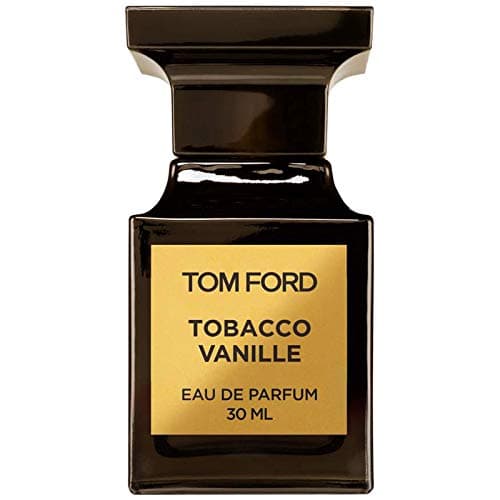
Two whole traditions ignore the gendered aisle entirely, which is why they dominate the list below. Arabian perfumery has always sold amber, oud and rose compositions to everyone; the big Gulf houses label almost nothing "for him" or "for her." And at the luxury end, Tom Ford's Private Blend line was deliberately built as a genderless collection. Those two worlds also happen to sit at opposite ends of the price ladder, so you can buy into the same accord for the price of a dinner or the price of a flight.
What we judged these on
- No gender written into the composition.No barbershop lavender, no laundry-musk floral — the accord has to read as itself rather than as a men's or women's template.
- It works on different skin. Sweet gourmands and heavy ambers amplify differently on warm skin; anything that turns cloying at the first sign of heat is not a shared bottle.
- Shareable in practice. A bottle two people use gets used twice as fast, so performance for the money matters more here than on a solo signature.
- An honest budget route. For every expensive accord on this page there is a cheaper bottle in the same lane, and we say plainly what you give up.
A note on the word "cologne." Technically an eau de cologne is a light citrus splash of roughly 2 to 4 percent oil; in everyday American usage "cologne" just means fragrance. Everything here is an eau de parfum or an extrait, which is why it lasts. If that ladder is new to you, our EDT vs EDP guide explains what the labels buy you, and cologne vs perfume untangles the naming.
How to choose between them
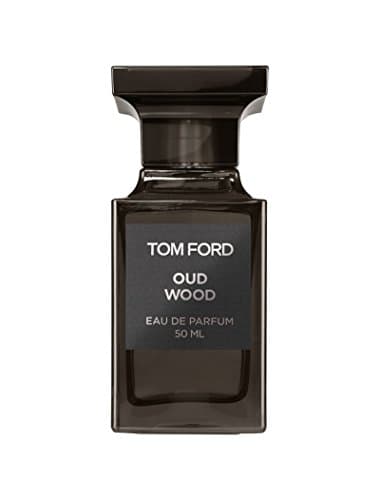
If you want the best of it: Tom Ford Oud Wood
Oud Wood is the reason the modern Western oud category exists. It keeps the oud smooth and creamy rather than medicinal, and it is quiet — a scent that people notice when they are near you rather than across a room. That restraint is exactly what makes it work on anyone, and it is also the honest catch: you are paying Private Blend money for modest projection. Owner reports commonly describe it going skin-close within a couple of hours. Buy it because you want to smell like that, not because you want performance per dollar.
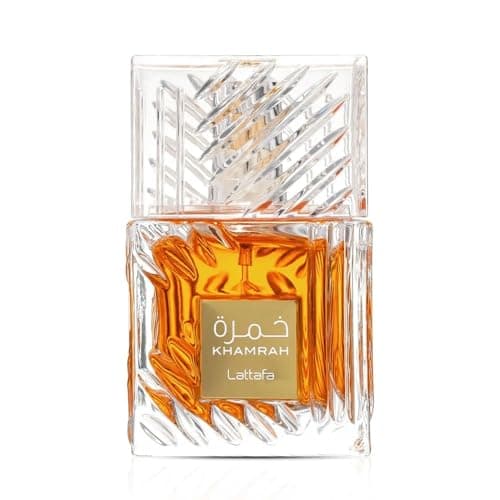
If you want one shared bottle: Lattafa Khamrah
Khamrah is the most-recommended unisex bottle on the internet right now and the reason is simple: a cinnamon-dates-vanilla accord that reads far more expensive than it costs, with the longevity to match. It is sweet and heavy, so it is a cold-weather bottle, and it is common enough now that you will smell it on other people. Neither of those is a reason not to own it. The full Khamrah review goes deeper, and Khamrah vs Asadsettles which of Lattafa's two big hitters suits you.
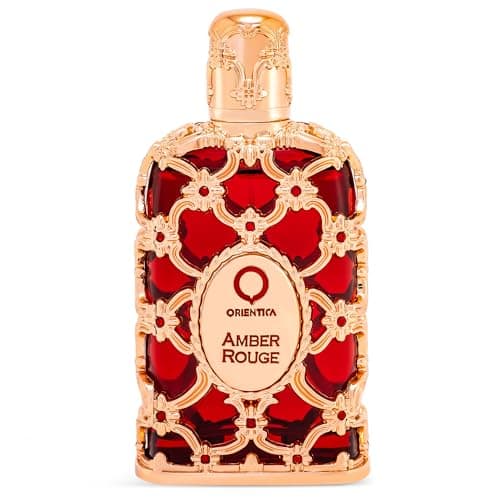
If you want to be noticed: Orientica Amber Rouge
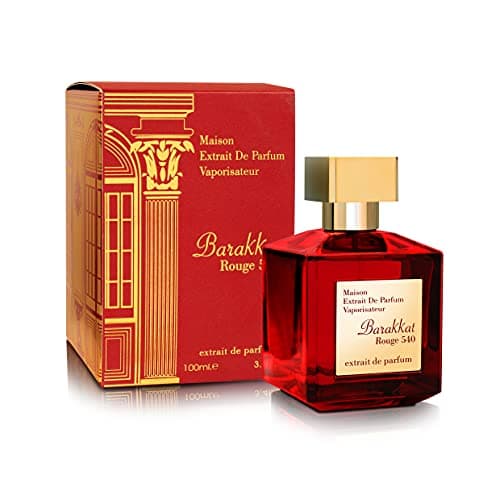
Amber Rouge is the saffron-and-amber shimmer that made Baccarat Rouge 540 famous, with more raw power and none of the niche price. It is louder and sweeter than the original rather than an identical twin, and it is very easy to over-apply — two sprays, not five. If you want the cheapest possible route into the same idea, Maison Alhambra Barakkat Rouge 540 is further down the list and costs a fraction again; the trade is polish and batch consistency. Both are covered in full on our Baccarat Rouge 540 dupes page.
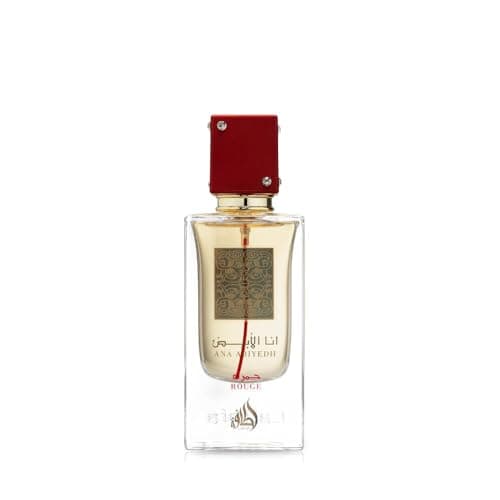
If you want it office-safe: Lattafa Ana Abiyedh Rouge
Everything else here is rich. Ana Abiyedh Rouge is the opposite: a clean, soapy citrus-floral that reads put-together rather than present, which is what a shared office bottle needs to be. It is also the cheapest thing on the page. Modest projection is the trade, and in this one context that is a feature.
Spraying a shared bottle
Two people wearing the same fragrance will not smell the same, and that is normal — skin chemistry, body temperature and how dry your skin is all change what you get. The practical fix is dose, not bottle: whoever runs warmer should use fewer sprays, because warm skin pushes more of the heavy base material into the air. Spray on skin at the neck and chest rather than on clothes, and give any of these four hours before judging. Our application guide covers placement properly, and why cologne fades on skin is the longer answer to the skin-chemistry question.