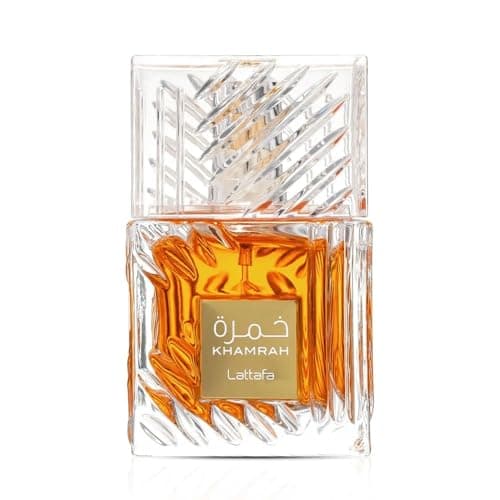
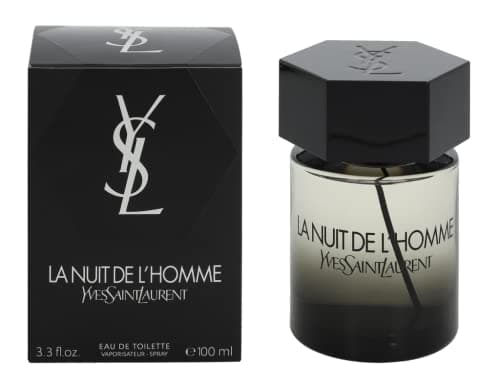
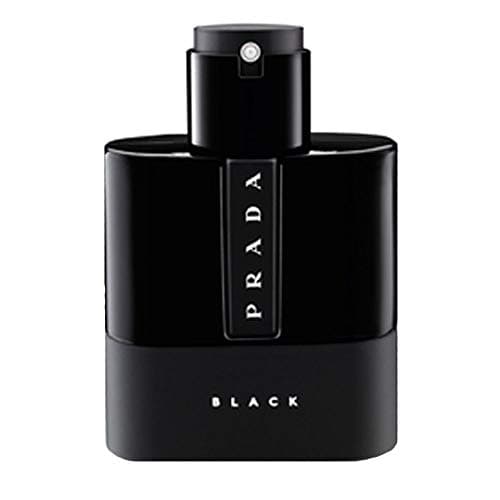
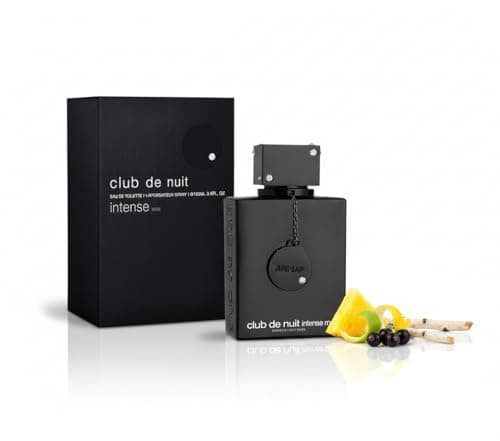
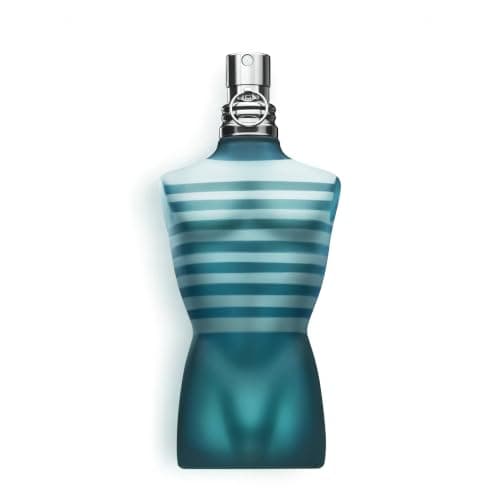
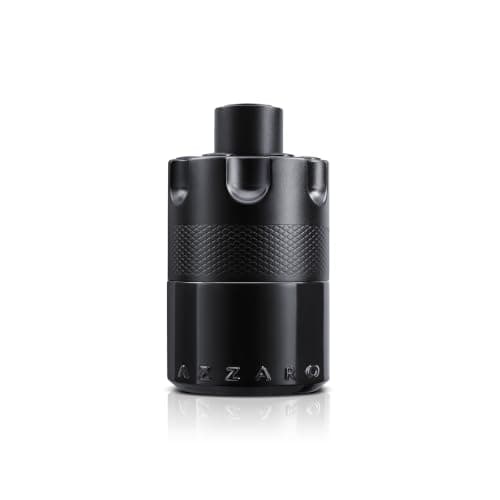
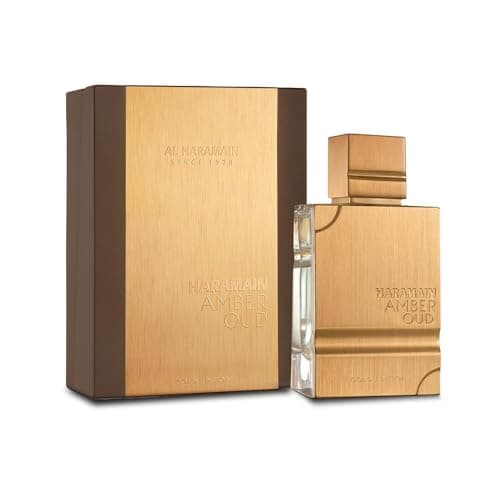
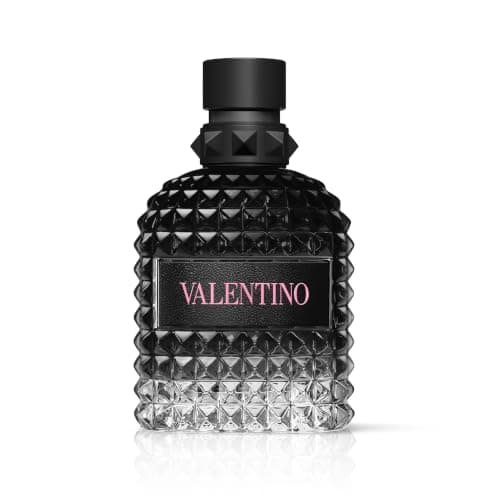
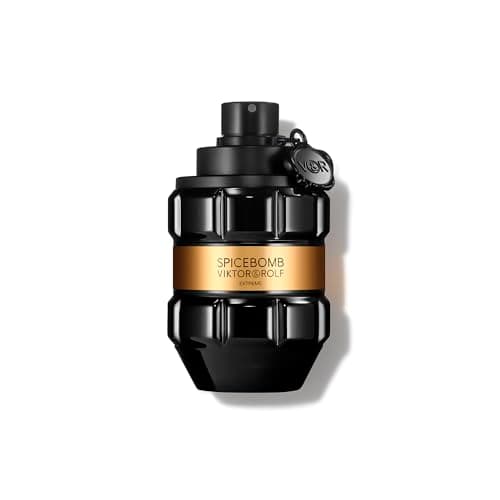
Cold air changes the physics, not just the mood
Winter fragrance advice usually stops at "wear something warm and sweet," which is true and almost useless. The reason it is true is worth two minutes of your time, because it also tells you what to buy. Fragrance reaches your nose by evaporating, and how fast a material evaporates depends on temperature: as the air and your skin cool, vapor pressure falls and the molecules leave more slowly. The practical effect is that a scent which burns through in four hours in July can still be on you seven or eight hours later in February — and that the bright citrus you loved in summer now barely registers, because the light molecules that made it feel fresh are exactly the ones the cold holds down.
So cold weather does not simply reward "heavy" fragrances. It rewards heavy materials— amber, resins, tobacco, vanilla, tonka, cinnamon, saffron, sandalwood, cedar. Those sit low in a composition, they are slow to evaporate at any temperature, and in cold air they behave like a fire that keeps burning long after you left the room. The nine bottles below were chosen because their structure is built from that kind of material, not because they smell "cozy" in a marketing sense.
What we judged these on
Four criteria, applied in this order. They are the reason the ranking looks the way it does, and they are worth knowing even if you buy none of these.
1. Does it project in cold air? This is the part winter roundups get wrong. Cold slows evaporation, which extends longevity but also flattens your scent trail — dense, cold air keeps the fragrance in a tight halo around your body and your coat. A scent with no weight simply disappears outdoors. The picks at the top have enough base material to still be present when it is genuinely cold.
2. Can you wear it indoors? Winter is not spent outdoors. It is spent in heated offices, packed trains, restaurants and other people's living rooms, where the same warmth that makes a summer scent flare will do the same to your amber gourmand. A winter fragrance that is only wearable in the open air is a fragrance you will use six times. We weighted indoor manners heavily, which is why one quiet, powdery pick sits high on a list of otherwise loud ones.
3. Longevity that matches the season. Cold weather means coats, scarves and jumpers, all of which hold fragrance far longer than skin does. That is an advantage — but it also means a bottle with weak base notes shows its emptiness quickly. We judged this against aggregated owner and community longevity reports, not against a marketing claim, and where a pick is weak we say so on its card rather than burying it.
4. What does it cost per wear? Not just the sticker price. Winter fragrances get sprayed less and worn longer, so a good one is genuinely cheaper to own than the summer bottle you empty by August. Two of the picks below cost a fraction of the designers around them and lose very little in cold air — and we say plainly when the cheap one is the better buy.
The trade-off nobody warns you about
In summer the trade-off is freshness versus longevity. In winter it flips: the fragrances that fill a cold street are the same ones that become oppressive in a heated room, and the ones that behave beautifully indoors can vanish under a coat outside. That is the whole tension of this category, and it is why "buy the loudest thing you can find" is bad advice. Somewhere on this list is the scent that matches where you actually spend your winter — a commute and an open-plan office is a different brief from a bar at 10pm. If the vocabulary here is unfamiliar, the longevity and sillage guide explains what projection and sillage actually mean and why they are not the same thing.
What we left off, and why
No aquatics, no sport flankers and no bright citrus colognes, however good they are — they belong to hot weather and we would rather tell you that than pad the list. If that is what you are shopping for, the summer ranking judges those same bottles on whether they survive the heat. We also kept our buy links on fragrances that are reliably and legitimately stocked. Several of the most-recommended cold-weather bottles in enthusiast circles — the restricted niche houses especially — sit behind gray-market third-party listings where counterfeits are a genuine risk, and one well-known designer winter classic is currently unavailable through the proper channel entirely, so it is not on this page. We discuss those where relevant; we will not send you to a listing we would not buy from ourselves.
How to read this ranking
Rank one is the pick that does the most jobs well in cold weather, not the one with the most interesting story. As you move down, the picks get more specific: a budget gourmand that outperforms bottles at six times the price, a close-range date-night scent, a powdery amber for heated offices, a smoky-pineapple value pick, and a 1990s classic that still works. Every card carries a plain "don't buy this if" line. In winter that line matters more than usual, because the failure mode here is not fading — it is being too much in a room with the windows shut. If price is the main constraint, the affordable ranking applies the same logic to the whole year.
How to buy for winter without wasting money
Buy for material weight, not for the word on the box
"Winter fragrance" is not a category houses are obliged to respect, so ignore the seasonal marketing and read the notes. The materials that reliably perform in cold air are the heavy ones: amber and resins (labdanum, benzoin, incense), vanilla and tonka, tobacco, warm spices such as cinnamon, saffron and cardamom, and dense woods like sandalwood and cedar. If a fragrance's published pyramid is mostly citrus, marine notes and light florals, no amount of spraying will make it a winter scent — it will just be a summer scent you overapplied. The amber family page is the fastest way to see what this kind of structure smells like across several price points.
Concentration helps, but it is not the whole answer
Concentration is simply how much fragrance oil is in the formula: eau de cologne is lightest, then eau de toilette (EDT), then eau de parfum (EDP), then parfum. In cold weather a higher concentration genuinely helps, because there is more of the slow, heavy material to work with — but a well-built EDT with a tobacco-and-vanilla base will beat a thin EDP every time. Read the base notes first and the concentration second. The EDT vs EDP guide walks through the whole ladder if you want the detail.
Spray count goes up outdoors — and back down indoors
Two to four sprays is the year-round default. In genuinely cold, dry air one extra spray is reasonable, because less of the fragrance is reaching anyone. The mistake is keeping that count when you walk into a heated building: indoor winter air is warm and often very dry, which pushes a scent off you fast in a room where nobody can escape it. If your day is mostly indoors, spray as if it were spring. Our guide to applying cologne covers placement properly.
Use your coat, not just your skin
Wool, cashmere and scarves hold fragrance for days — far longer than skin, which is why one spray on a collar or scarf can carry an entire commute. This is the single most useful winter trick and the easiest to overdo: fabric does not fade the way skin does, so what feels perfect on Monday can be stale and slightly sour by Thursday. Spray skin first, fabric sparingly, and give a wool coat a rest between wears. Dry winter skin also holds fragrance badly, so an unscented moisturizer before you spray does more for longevity than an extra pump ever will.
One bottle cannot do heated office and cold night out
The most common winter buying mistake is spending everything on one powerful bottle and then discovering you can only wear it at weekends. A soft, warm, close-projecting scent handles work, travel and daytime; a heavier amber, gourmand or spicy fragrance handles evenings and the cold. Two modest bottles used correctly will always outperform one expensive bottle used everywhere — and buying the second one cheap is entirely legitimate, as several picks on this page demonstrate.
Sample before you commit — sweetness is where taste splits
Winter fragrance is the most polarizing category there is, because it runs on sweet and spicy materials that some people love and others find suffocating. Cumin, in particular, smells warm and skin-like to some noses and frankly unwashed to others, and it appears in more cold-weather designers than you would expect. Wear a sample through a full day, including indoors, before spending on a full bottle. A discovery set or a decant costs a fraction of a bottle of regret.
Cold storage is fine; the radiator is not
Fragrance keeps best somewhere cool, dark and stable — a cupboard, in the box, away from light. Winter's specific hazards are the bathroom radiator and the windowsill above one: heat cycling breaks a composition down faster than steady warmth does, and it takes the top notes first. A bottle stored properly stays recognizable for years. One left next to a heater for a season will not.
Buy the size you will actually finish
Winter scents are used sparingly and only for part of the year, so the big bottle is often false economy — a 100ml amber gourmand is several winters' worth of fragrance for most people. Unless it is a proven favorite you have worn before, start with the smallest size or a travel spray. Check the price per milliliter rather than the number on the shelf edge, and be aware that when a house runs low on the large size, the small one frequently becomes the only reliably stocked option and the per-milliliter math gets noticeably worse.
The winter rotation, by type and occasion
This page ranks the season as a whole. If you already know which direction you want, the cold-weather field splits cleanly into three lanes: sweet, spicy and woody — each ranked on cold-weather performance specifically rather than year-round merit.
Two occasions deserve their own answer, because they pull in opposite directions. A heated office inverts the usual winter advice entirely, which is why winter office picks scale down rather than up; and a winter evening moves between freezing air and a warm restaurant, which the winter date-night ranking is built around.