Nothing on this page costs $500
Start with the most useful fact: the most expensive bottle in our registry sits around $290, so a $500 ceiling is a ceiling nothing here comes close to. That is not a weakness of the page. It is the answer to the question. If you have budgeted up to five hundred dollars for a fragrance, the honest advice is that you do not need to spend it, and the best things available to you top out at a little over half.
This bracket exists because it is where two different kinds of bottle finally appear. The first is genuine niche — Parfums de Marly and Tom Ford, houses that price above the designer shelf and build at higher material cost. The second is parfum and extrait concentration from the designers, which is where longevity actually lives and which the under-$200 shelf only partly reaches. Every pick carried a verified live price when this page was built, read from the price layer with the as-of date printed on each card.
What the money actually buys
Three things, and it is worth separating them because the marketing never does. Material quality is real: good sandalwood, proper orris, aged patchouli and real oud cost multiples of their synthetic substitutes, and the difference shows up as smoothness rather than as strength. Concentration is real: a parfum has more oil in it and behaves differently, and that is why Sauvage Elixir is a different animal from Sauvage rather than a louder version of it.
Exclusivity is the third, and it is the one worth being skeptical about. A lot of the price gap between a $95 designer EDP and a $290 niche bottle is distribution and positioning rather than juice. Our guide to whether expensive cologne is worth it goes through the economics, and designer versus niche is the honest comparison. This page ranks the bracket on merit; it does not argue that you should shop in it.
How this page relates to the rest of the site
Our best cologne under $200 ranking is the bracket below, and for a lot of buyers it is the better page — $200 reaches parfum-strength designers and the entire Tom Ford Signature line. Our best niche cologne for men list covers the same houses sorted by house rather than by price ceiling. And cologne that smells expensive is the argument from the other direction: what it costs to get the effect without the invoice.
What we judged these on
- A verified live price under $500. Every pick read from the price layer with its as-of date on the card. Prices in this bracket move less than at the cheap end, but a bottle with no buyable offer is never a top pick on this site.
- Material quality you can actually smell. Real oud, orris, suede-leather and aged woods — not a designer composition in a heavier bottle.
- Concentration or composition, not both assumed. Four of these are EDP, two are parfum, and the page says which. At this money, the label should be doing work.
- One honest cheap pick. A $500-ceiling page that hides the fact that a $30 eau de parfum out-lasts half the list is selling, not advising. The budget pick is here on purpose.
The three bottles worth the money, and why
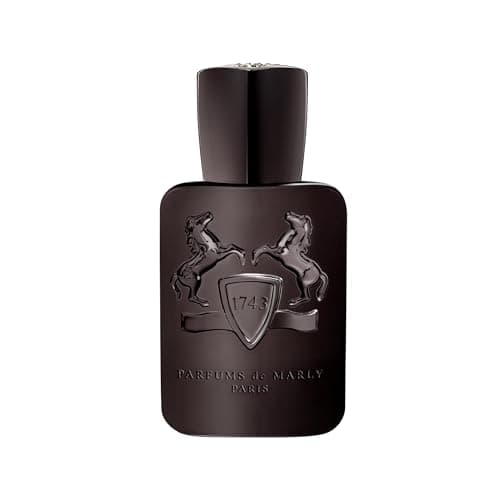
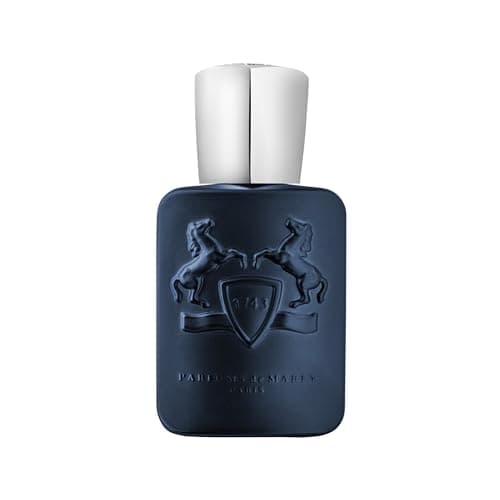
Parfums de Marly Layton is the one most people should buy if they buy in this bracket at all: sweet apple and lavender over vanilla, pepper and sandalwood, rich and cosy and unmistakably expensive, with big performance and wide appeal. Herod is its cold-weather sibling — a warm cinnamon-and-tobacco-vanilla powerhouse and one of the best tobacco-vanillas at any price, if the sweetness suits you.
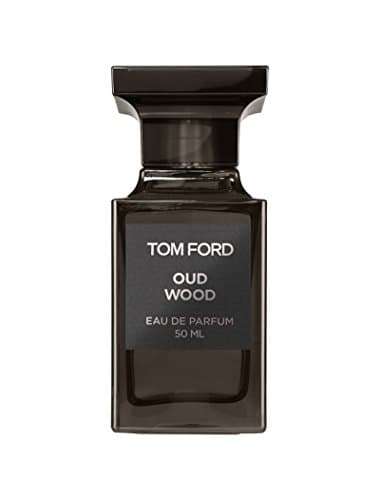
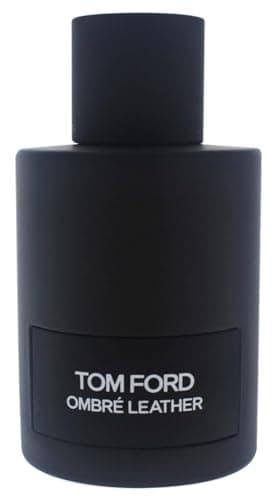
Tom Ford Oud Wood is the quiet-luxury answer and the single most approachable oud in mainstream perfumery: Richard Herpin's 2007 Private Blend keeps the oud soft and creamy and surrounds it with rosewood, cardamom, pink pepper, sandalwood, vetiver, tonka and amber. It smells costly in a way that needs no explanation and projects moderately rather than loudly, which is exactly the point. Ombré Leather is the versatile one of the three Tom Fords here — cardamom over supple leather and jasmine sambac, smooth rather than smoky, and because it sits in the Signature line rather than Private Blend it is the cheapest fragrance per ounce on this page.
And the two that are not for everyone
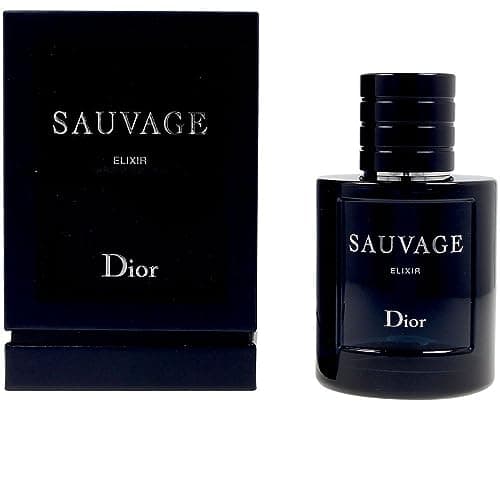
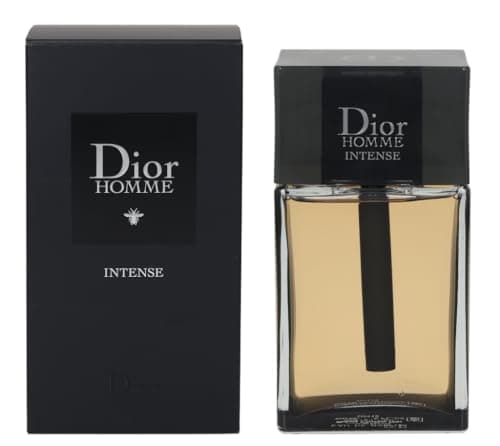
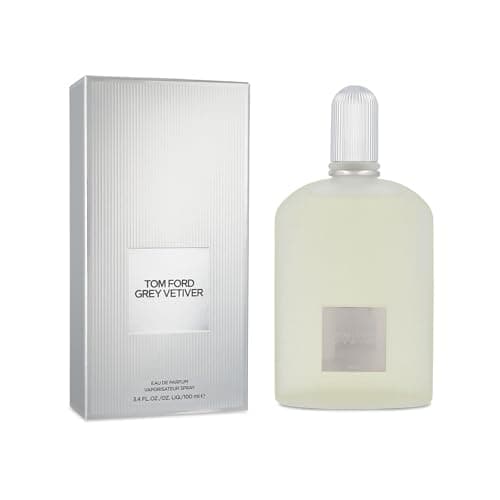
Dior Sauvage Elixir is a genuine beast — grapefruit and a dense wall of spice over lavender, licorice and amberwood, with nuclear longevity by owner consensus. It is also a cold-weather-only bottle and a completely different fragrance from the Sauvage EDT most people know, which is the most common disappointment reported about it. Dior Homme Intense is the connoisseur's designer: powdery lipstick-iris and cocoa, elegant, formal and grown-up, and polarising for exactly that reason. Neither is a blind buy, and Tom Ford Grey Vetiver is the third in that group — dry, bitter-green and close-wearing by design.
Which to actually buy in this bracket
If you want one expensive bottle and want to like it: Layton. If you want a winter bottle with the same pedigree: Herod. If you want to smell costly without anyone being able to name what you are wearing: Oud Wood. If you want a leather you can wear on a Tuesday: Ombré Leather. If you want to be the only person in the room wearing iris: Dior Homme Intense. If you want something that lasts through a December night outdoors: Sauvage Elixir. And if you want formality rather than presence: Grey Vetiver.
What none of these is, is versatile in the way a $60 designer can be. That is the pattern worth noticing about the top of a catalogue: the bottles get better at a specific thing and worse at being all-purpose. If you own one fragrance and it has to cover a workday, a wedding and a gym bag, this is the wrong page — our best everyday cologne ranking is the right one.
The budget pick, and why it is on this page at all
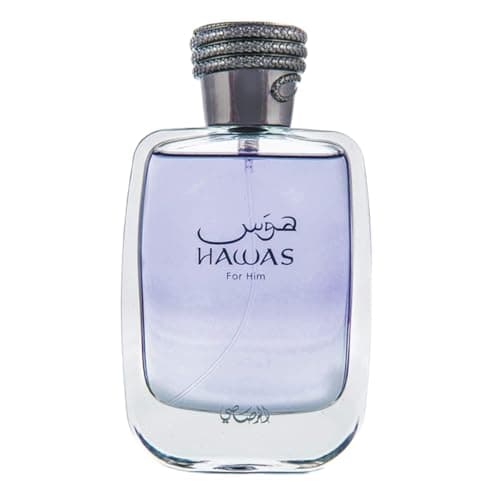
Rasasi Hawas For Him is the budget pick at roughly $30: a fresh, fruity, slightly sweet eau de parfum with owner reports of all-day longevity. On a page where the top pick costs nearly ten times as much, it is here to make a point that the rest of the ranking cannot — the relationship between price and performance in fragrance is weak, and in the specific case of wear time it is close to absent.
What $30 does not buy is material quality or distinctiveness. Hawas sits in a familiar fresh-aquatic shape, its sweetness will not suit everyone, and nobody is going to mistake it for Oud Wood. The materials that make the expensive bottles on this page smell expensive genuinely cost more than the whole Rasasi bottle. Both of those things are true at once, and an honest page in this bracket has to hold them together.
Before you spend this much, sample
More strongly here than anywhere else on the site. Three of the eight picks on this page are openly polarising, the two most expensive are sweet enough to rule out a share of buyers, and a $290 blind buy you do not like is the most expensive mistake available in this hobby. Decants and discovery sets exist precisely for this bracket — see decants versus discovery sets and best sampler sets by house.
The other pre-purchase step is the counterfeit question, which gets worse as price rises. Buy from listings with a history, treat an unusually cheap bottle of an expensive fragrance as a warning rather than a win, and read our guide to spotting fake cologne before your first niche purchase. Every buy row on this page carries a tagged-search fallback so a dead listing still lands you on the right product rather than on a reseller's guess.