What "expensive" actually smells like
"Smells expensive" is a real and surprisingly consistent perception, and it is not simply a reaction to price — most people cannot identify what a fragrance costs. It is a reaction to three specific characteristics that happen to be common in costly perfumery.
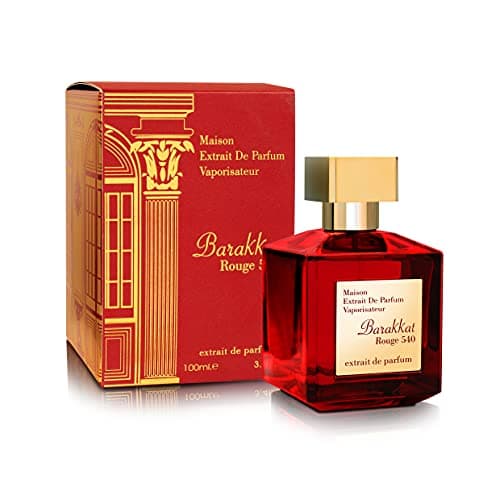
Density. Expensive-smelling scents feel thick and continuous rather than thin and linear. That usually means a higher concentration and more material in the base. A resinous or ambery core. Amber, benzoin, labdanum and ambroxan register to almost everyone as richness — this is why the Baccarat Rouge 540 accord became the most imitated smell of the last decade. Restraint at the top. Cheap fragrances announce themselves with a sharp, alcoholic citrus blast; costly ones open smoothly. Anything with all three reads as luxury regardless of what it cost.
Which is why the top of this list is cheap
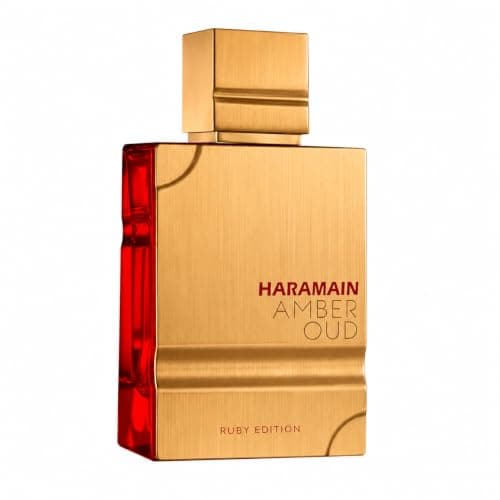
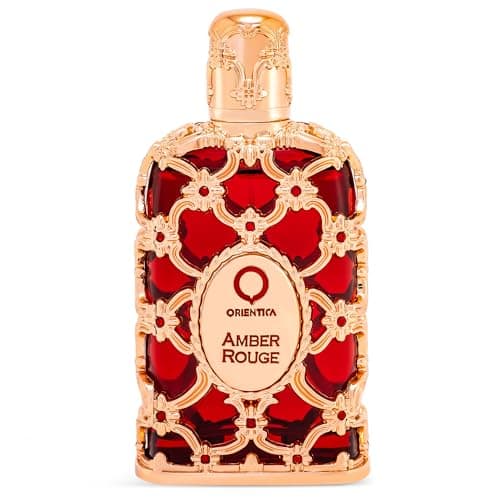
Orientica Amber Rouge leads because it hits all three characteristics with no compromises worth mentioning, at well under a hundred dollars. It delivers the BR540-style amber-saffron accord with more projection than the fragrance that made it famous, and it is what most people are actually looking for when they search this phrase. Amber Oud Ruby and Barakkat Rouge 540 sit below it as progressively cheaper routes to a similar impression — the full landscape is on the BR540 alternatives page.
And why two genuinely expensive bottles are still here
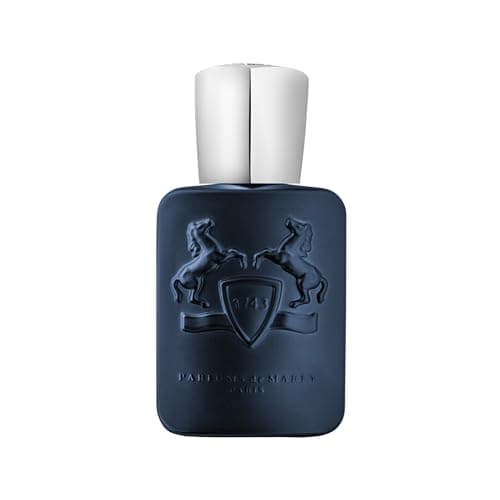
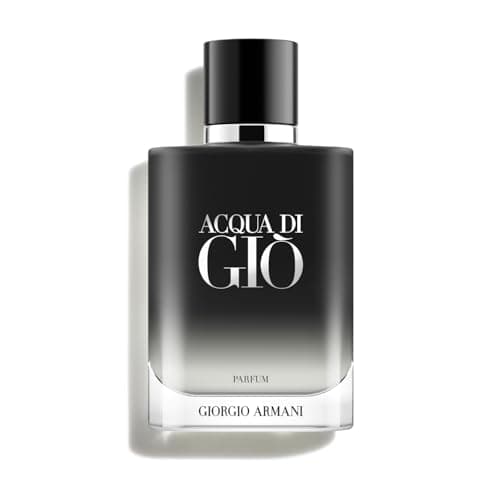
Parfums de Marly Layton and Acqua di Gio Parfum close the list because there is an honest ceiling to the budget route. The cheap amber bombs nail the impression of luxury; they are less refined in the dry-down, and to a trained nose the difference is audible. If you want the effect to survive close inspection over eight hours rather than the first hour, that is what the money buys. We say the same thing on the luxury tier page.
Buying the impression
Concentration is the cheapest upgrade
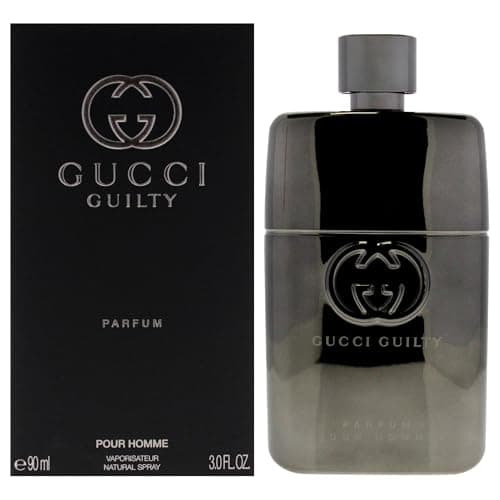
Moving from an EDT to the EDP or parfum version of the same fragrance buys more density for far less than moving to a niche house. Gucci Guilty Parfum against the standard Guilty EDT is the clearest example on this page. The EDT versus EDP guide covers what changes.
Avoid the sharp citrus opening
If a fragrance opens with a thin, alcoholic lemon blast, it will read as cheap no matter what follows — the first thirty seconds set the frame. Amber, saffron and incense openings do the opposite.
Apply less, not more
Over-application is the single fastest way to make an expensive fragrance smell cheap. Wealth reads as restraint; a cloud reads as trying. Two sprays of almost anything on this list outperforms six.