What "niche" actually means
"Niche" is one of the most misused words in fragrance, so it is worth being precise before you spend niche money. It does not mean rare, and it does not automatically mean better — it describes a business model. Designer fragrances are made by fashion and lifestyle houses (Dior, Armani, YSL) and licensed to giants like Coty or L'Oreal, who produce them at enormous scale for department-store shelves, with a large slice of the price going to marketing and celebrity campaigns. Niche houses are perfume-first brands — Parfums de Marly, Creed, Xerjoff, Le Labo — that sell smaller volumes through boutiques and specialists, lean on the perfumer rather than the ad budget, and are generally freer to use richer materials and higher fragrance-oil concentrations. That is the real distinction, and the designer vs niche guide lays out the full picture.
What that translates to on skin is usually three things: better raw materials, stronger and longer performance for the concentration, and a composition that smells a little more distinctive than the safe, committee-tested designer crowd. It is not a guarantee — there is mediocre niche and there is brilliant designer — but as a rule, a good niche bottle rewards you with depth, a slower and more interesting drydown, and the quiet confidence of not smelling like the ten other men in the lift. You pay for that, and whether it is worth it is a genuinely personal call.
The upgrade ladder: when niche is worth it
Most men arrive at niche the same way — they wear a couple of great designers, they notice everyone else is wearing the same ones, and they want something with more richness and more of a signature. That is the right moment, not before. If you do not yet own a versatile daytime scent and a warmer evening one, spend there first; niche is the step you take once the basics are covered and you want an upgrade rather than a foundation. Our flagship ranking is the place to build those fundamentals, and our 30s roundup covers the decade most men make the jump.
Why we start with Parfums de Marly
For a first serious step into niche, one house does the job better than any other, and all three picks below come from it. Parfums de Marly sits in the accessible-luxury tier — expensive, but a fraction of Creed or Xerjoff — and it specializes in exactly the rich, polished, crowd-pleasing profiles that make the jump from designer feel like an obvious upgrade rather than an eccentric leap. If you like a scent to be immediately, broadly likeable and still clearly a level above, this is where to start. The full Parfums de Marly house guide covers the wider lineup; below are the three to know first.
The honest case against niche
It would be dishonest to sell you niche without the other side of the ledger. A large part of a niche price is scarcity, branding and boutique positioning rather than liquid, and the market is now full of Arabian houses and sharp designers that deliver eighty or ninety percent of a famous niche scent for a small fraction of the outlay. If your goal is simply to smell fantastic, you can get there without ever touching a niche bottle. What niche reliably buys you is the top slice: the finest materials, the most polished drydown, bottle-to-bottle consistency and the pleasure of the object itself. Whether that top slice is worth several times the price is a personal judgment, not a fact — and going in clear-eyed about it is the difference between a smart purchase and an expensive impulse. We would rather you spend confidently than spend blind, which is why the clone route gets a fair hearing on this page rather than a quiet omission.
How we picked
These three are ranked on versatility first, then distinctiveness and performance, compiled from published note pyramids, concentration data and aggregated owner and community reports on how each wears — not from a lab. Layton leads because it is the one most people can wear most often; Herod and Pegasus are more specialized pleasures. Read the honest "don't buy this if" on each card, and read the caveat on clones below before you spend — because for these, a very good, very cheap alternative often exists. Keeping the list to three is deliberate: at niche prices, a tight, honest shortlist you can actually act on beats a sprawling ranking of bottles you will never smell, and these three between them cover the versatile, the wintry and the sweet-comfort corners most men reach for first.
The three to know
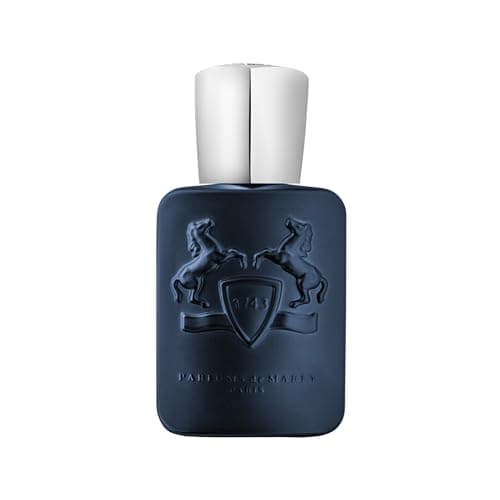
1. Parfums de Marly Layton — the one to buy first
Layton is the niche crowd-pleaser, and the most versatile bottle on this page by a distance. It opens on sweet apple and bright bergamot with a twist of lavender, then settles into a warm, cozy base of vanilla, pepper and sandalwood that reads unmistakably rich and expensive. It is the reference point a whole generation of designer sweet scents has chased, which is exactly why it works as a first niche: it feels familiar and immediately likeable, just bigger, smoother and more refined than anything at the designer counter. Performance is excellent — strong projection and all-day longevity by owner consensus. The honest catches are the niche price and the fact that it has been cloned so heavily it is a little less unique than it once was. It leans cold-weather but is flexible enough to stretch across most of the year.
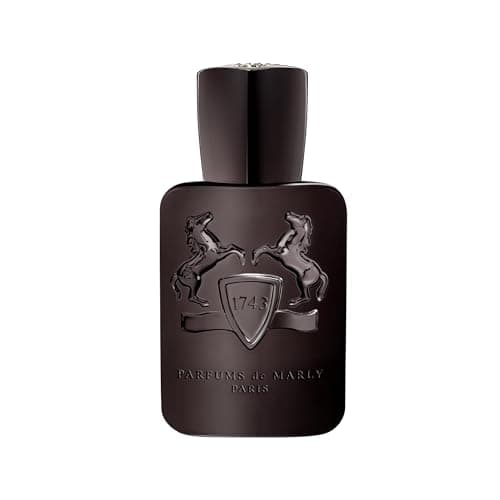
2. Parfums de Marly Herod — the winter powerhouse
Herod is where Parfums de Marly stops playing it safe. It is a warm cinnamon-and- tobacco scent wrapped in vanilla — cozy, boozy-sweet and genuinely distinctive, not a copy of anything mainstream. On the right cold evening it is one of the best tobacco-vanilla fragrances at any price, with huge longevity and projection to match. The trade-offs are real and worth respecting: the sweet-spicy heft is strictly cold-weather, it will sit unused through summer, and the niche price stings for a one-season bottle. Buy it once you already own a versatile all-rounder and want a characterful specialist for autumn and winter — not as your only fragrance.
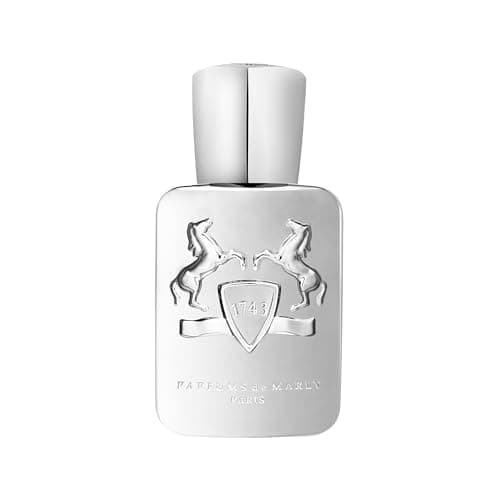
3. Parfums de Marly Pegasus — the creamy comfort scent
Pegasus is the gourmand-leaning member of the trio — a creamy almond-and-vanilla scent that is marzipan-soft, milky and comforting, with a heliotrope-almond signature that is very easy to fall for. It has the polish and performance niche buyers expect, and it wears warm and cozy rather than loud. The caveats are the familiar niche price and the fact that a milky, slightly sweet almond gourmand is a specific taste — some love it instantly, some find it too soft or too sweet. If a warm comfort scent is your idea of luxury, this is the one to sample; if you prefer something sharper or drier, start with Layton instead.
Getting niche right without getting burned
Sample before you commit
Niche prices make blind-buying a genuinely expensive mistake, and the rich, materials-driven compositions are exactly the ones most likely to smell different on your skin than on paper. Order a decant or a small sample vial before you buy a full bottle — a few dollars of sampling saves you from an expensive shelf ornament, and it is the single most important habit at this tier.
Be honest about the clone question
Parfums de Marly is one of the most-cloned houses on earth, and pretending otherwise does you no favors. Layton in particular has spawned a whole shelf of affordable near-copies from the Arabian houses, and the best of them get you most of the way for a fraction of the money. If the smell matters more to you than the bottle or the badge, that is a completely legitimate route — our best cologne dupes ranking and our guide to the clone houses lay out what actually comes close. What you buy with the original is consistency, refinement, the last ten percent of quality and the object itself; whether that final stretch is worth the premium is the whole question.
Match the bottle to the weather
Two of these three are cold-weather scents, and heat flattens them into something sweet and heavy. Layton is the most flexible — it can just about carry a cool summer evening — but Herod and Pegasus are autumn-and-winter bottles, full stop. If you want one niche purchase to cover the whole year, start with Layton and add a specialist later rather than the other way round.
Apply with restraint — this is potent stuff
Niche EDPs are concentrated, and these three project. One or two sprays is genuinely enough; the reflex to spray a niche bottle like a light designer is how a beautiful fragrance becomes a headache for everyone in the room. Our application guide covers the light-hand routine, which matters more here than almost anywhere.
Start with one, not a collection
The whole point of niche is quality over quantity — one bottle you genuinely love beats three you half-wear. Pick the profile that fits the most of your life (for most men that is Layton), live with it for a season, and only then decide whether a second, more specialized bottle earns its place. The Layton vs Sauvage comparison is a good gut-check on whether the upgrade over your current designer is real for your nose.