Short answer: expensive cologne is worth it up to a point, and that point arrives earlier than the industry would like you to believe. The jump from a clone-tier bottle to a well-made designer buys you something you can genuinely smell — better materials, a more interesting structure, a dry-down that holds together. The jump from that designer to a niche bottle at two or three times the price buys you much less per dollar: more unusual materials, sometimes better performance, and a lot of brand. Neither jump is a scam. Both are subject to diminishing returns, and the second one is where most of the money goes for the least smell.
What you are actually paying for
A fragrance bottle's retail price has very little to do with the liquid in it. Published industry estimates consistently put the juice at a small single-digit percentage of the retail price of a mainstream designer fragrance. The rest is the bottle and cap, the box, the advertising campaign with a film star in it, the retail margin, the licensing fee paid to the fashion house whose name is on the front, and the department-store sampling programme. That is not fraud; it is how a global consumer-goods category works. But it does mean that a bottle costing four times more does not contain four times more perfume.
Where price does correlate with what you smell:
- Concentration. An eau de parfum holds more oil than an eau de toilette and generally lasts longer. This one is real, measurable, and the single most reliable upgrade you can buy — our EDT vs EDP guide has the numbers.
- Material quality and count. Natural absolutes — jasmine, orris, real oud, sandalwood — cost orders of magnitude more than the synthetics that stand in for them, and a composition with forty materials in it is more expensive to make than one with twelve. You can hear the difference as complexity: cheap scents tend to be loud, linear and over in two acts.
- The dry-down. This is where money shows up most clearly. Clones often nail the first hour and then fall apart into something generic and sweet; a well-built fragrance stays coherent for eight.
Where price does not correlate with what you smell: the name on the bottle, the weight of the cap, whether the house calls itself niche, and — crucially — whether other people will like it. Some of the most complimented fragrances on earth are mid-priced designers.
The three rungs, and what each one costs you
The three bottles below are not a ranking of best to worst. They are one example of each rung on the ladder, chosen so you can see the trade at each step rather than argue about it in the abstract.
How to decide for yourself
Rung one: the clone tier
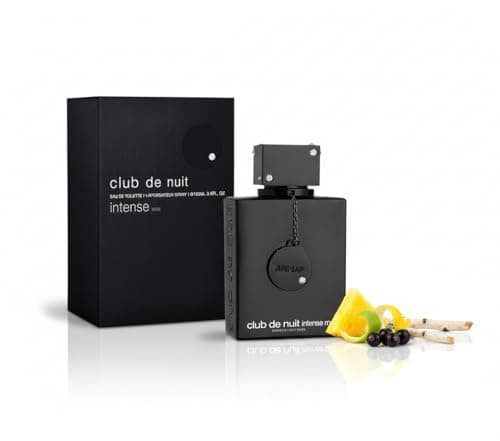
Armaf Club de Nuit Intense Man is the most famous example in fragrance: a smoky-pineapple opening that a lot of people genuinely cannot separate from Creed Aventus in the first hour, at roughly a tenth of the money. It also shows you exactly what the clone tier costs you — the dry-down turns sweeter and rougher than the original, and batch variation is real. If your honest goal is "smell good for as little as possible," stop here and buy three. Our best cologne dupes page ranks the whole tier, and clone houses explained covers how these houses operate.
Rung two: the designer tier
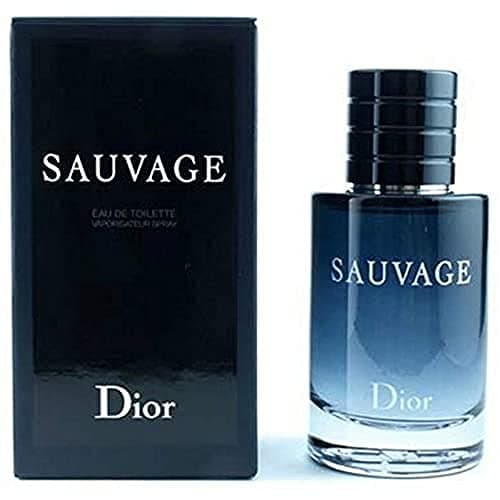
Dior Sauvage is the best-selling men's fragrance in the world and the clearest illustration of what designer money buys: it is genuinely well made, strongly performing, versatile, and universally liked. The only real knock against it is that everybody owns it. For most people, one bottle at this rung plus one clone for heavy rotation is the whole answer, and anything beyond it is a hobby rather than a need. See the designer roundup for the rest of the field.
Rung three: the niche tier
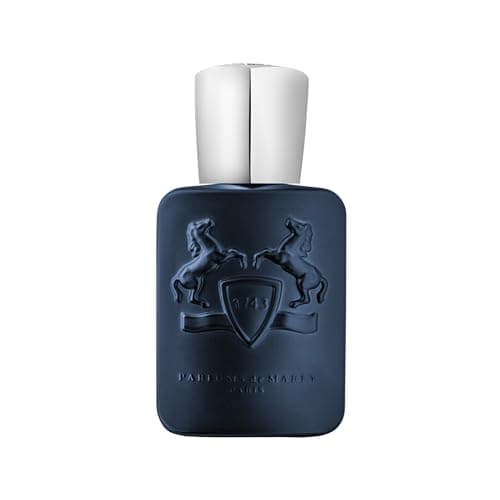
Parfums de Marly Layton is a niche crowd-pleaser — sweet apple and lavender over vanilla, pepper and sandalwood, with big performance and broad appeal. It is also several times the price of the designer above it, and it has been cloned so thoroughly that it is less distinctive than it was five years ago. That is the niche trade in one sentence: you are paying a large premium for a modest gain in materials and a large gain in exclusivity that the clone market is actively eroding. Our designer vs niche guide and the niche roundup go deeper.
Four rules that save real money
Never blind-buy above the designer tier. At niche prices, sampling is not optional. A discovery set or a decant costs a few dollars and tells you in a day what a review cannot — see how to sample cologne before buying.
Buy concentration before you buy brand. If longevity is your complaint, the EDP of the designer you already like will almost always serve you better than a niche bottle at twice the price.
Check the cost per ounce, not the cost. A large bottle of a mid-price designer is routinely cheaper per ounce than a small bottle of a cheap one, and this is the single most common way people overpay without noticing.
Count how often you will wear it. A niche winter specialist you reach for eight times a year is worse value than a budget bottle you wear weekly. Versatility is a price factor and nobody puts it on the box. Our collection-building guide works through the arithmetic.