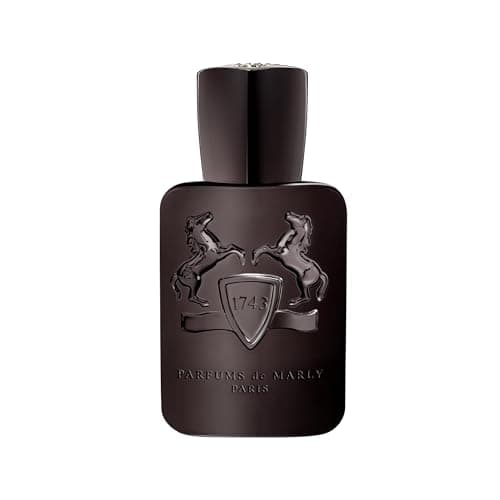
If Layton is the Parfums de Marly everyone knows, Herod is the one enthusiasts fall for. It is a warm, spicy, boozy-sweet tobacco-vanilla scent that smells like a fireside on a cold night, and it has a small, devoted following that considers it one of the best tobacco-vanilla fragrances at any price. It is also unmistakably a cold-weather specialist and a serious financial outlay, so this review is as much about telling you when not to buy it as when to.
The house behind the bottle
Parfums de Marly is a French house founded in 2009 by Julien Sprecher, drawing on the opulence of the 18th-century French court — the Château de Marly, where Louis XV kept his prized horses, gives the brand its name and its recurring horse motif. Herod was part of the early wave of releases that established the house's reputation, and it has become its signature dark, spicy scent — the counterpoint to the sweeter, fruitier Layton. Where a lot of niche houses trade on abstraction and weirdness, Parfums de Marly built its name on rich, wearable, obviously-luxurious blends, and Herod is that philosophy at its most cozy.
The note pyramid
A fragrance is usually described as a pyramid that unfolds over time. Herod's top notes are the opening minutes: a warm cinnamon lifted by a peppery spice that gives the first spray real heat. The heart notes carry the middle stretch — a soft incense and resinous facets that add depth and a faintly smoky, ambery character. The base notes are the heavy molecules that linger longest: tobacco leaf, vanilla and dry woods, the tobacco-and-vanilla accord that is the whole reason people love it. If you only remember one thing, remember the cinnamon-and- spice opening melting into a sweet, boozy tobacco-vanilla base, because that is the signature in a sentence.
What it actually smells like
In plain English, the first spray is spicy and warming — a real hit of cinnamon with a peppery bite, almost like mulled wine. As it settles, the spice softens and a sweet, slightly boozy warmth takes over, with the tobacco note reading more like sweet pipe tobacco than anything ashy. By the drydown it is a smooth, creamy vanilla wrapped in dry woods and the lingering memory of that cinnamon-tobacco warmth — comforting, cozy and rich. People often describe it as smelling like a warm drink by a fire, and that is a fair shorthand: it is a fragrance built around comfort rather than freshness.
How it performs
Three quick definitions. Longevity is how long you can still smell it on your own skin. Sillage, from the French for a boat's wake, is the trail you leave as you move. Projection is the size of your scent bubble while standing still. By owner and community consensus, Herod is a very strong performer — big projection in the opening hours and the kind of longevity that has people reporting it on their clothes the next day. We do not publish exact hour counts, because skin chemistry, dosage and weather move the number too much to state one honestly, but the consistent picture from owners is of a powerful, long-lasting eau de parfum that genuinely does not need over-application to be felt.
Who it is for
Herod is for the person who loves warm, spicy, sweet scents and wants a distinctive, luxe take on the tobacco-vanilla idea. Unlike many of the house's other releases, it is not a crowd-pleaser designed to flatter everyone — it is more of a statement, and its fans love it precisely because it is characterful rather than safe. If cinnamon, tobacco and vanilla are notes you gravitate toward, and you want the smoothest, best-blended version of that accord you can find, Herod is a natural signature for cold nights. It is also a genuinely distinctive scent — it is not chasing any mainstream designer, which is part of its appeal.
The honest part — price and season
Two things need saying plainly. First, this is niche-priced — a premium outlay, and a genuine luxury purchase rather than a casual pickup. There are affordable spiced-gourmand scents that scratch a similar itch for a fraction of the cost, and if budget is a concern those are worth trying first. Second, Herod is strictly a cold-weather fragrance. The sweet, spicy, heavy character that makes it so cozy in winter turns overwhelming in heat, so this is a specialist, not a year-round workhorse. Buy it knowing you will reach for it a few months a year — a lot of owners consider that seasonal focus a feature, not a flaw, but you should go in expecting it.
Seasons and occasions
Herod belongs to autumn and winter, full stop. Cold air is what keeps its sweet, spicy heft from becoming cloying, and it is at its best on frosty evenings, holidays and social nights out where a warm, inviting scent works in your favor. It is generally too loud and too sweet for a conservative office, though a single light spray can pass in the depths of winter. Save it for evenings and cold-weather occasions and it delivers; try to wear it in summer or in a stuffy meeting room and it quickly becomes too much.
How to wear it
Because it is a powerful eau de parfum, Herod demands a light hand — one or two sprays is genuinely enough, and over-application is the fastest way to turn its cozy warmth into a headache for the people around you. Apply to warm skin at the neck or chest and let the cinnamon opening burn off before you judge it, because the tobacco-vanilla base is where it truly lives. You will almost never need to reapply, which is part of what the niche price buys. Worn sparingly on a cold night, it is one of the most comforting scents you can put on.
Where it fits among winter scents
If you are cross-shopping, it helps to know how Herod stacks up. Within its own house, the natural comparison is the sweeter, fruitier Layton, and the choice comes down to cinnamon-and-tobacco versus apple-and-vanilla — we lay that out in our Layton vs Herod guide. Against the popular affordable spiced gourmands, Herod is the smoother, more refined, more expensive option; our Herod vs Khamrah comparison covers whether the budget alternative gets you close enough. And you can see how it ranks against everything else for the season in our best cologne for winter roundup, or browse the full house on our Parfums de Marly brand page.
Who should skip this
Skip Herod if you dislike sweetness — this is a sweet, spicy, boozy scent and no amount of good blending changes that. Skip it if you want a versatile, year-round or warm-weather fragrance, because it is a dedicated cold-weather specialist you will only wear a few months a year. And skip it if you are on a budget, because there are affordable spiced-gourmand scents that get you into the same territory for a fraction of the niche price. For anyone who loves cinnamon, tobacco and vanilla and wants the plush, characterful version of that accord, though, Herod is one of the best in the business.
Herod is a seasonal luxury, so buying it well is about matching it to the right weather and being honest about the price. Here is how it sorts out.
Buy it as a dedicated winter signature
Herod is at its absolute best in cold weather, and the smartest way to own it is to treat it as a seasonal signature rather than an everyday scent. If you love spicy, sweet, tobacco- vanilla fragrances and want the most refined version for autumn and winter evenings, it is a superb pick — just accept that it will sit unused for the warmer half of the year.
Sample before you commit, and weigh the clones
At niche prices, blind-buying is a gamble, and Herod's bold character divides opinion more than the crowd-pleasing Layton does. Try a sample or decant across a few cold evenings first. If budget is the sticking point, the affordable spiced-gourmand scents capture a similar cozy warmth for far less, and are worth trying before you spend niche money.
Who it suits
Herod suits people who love warm, spicy, sweet scents and want a distinctive, luxe tobacco- vanilla for cold-weather evenings and social occasions. It does not suit anyone who wants a fresh, light, versatile or office-discreet fragrance, or anyone who dislikes sweetness — for those, this is firmly the wrong bottle.