The two scents that built the aquatic
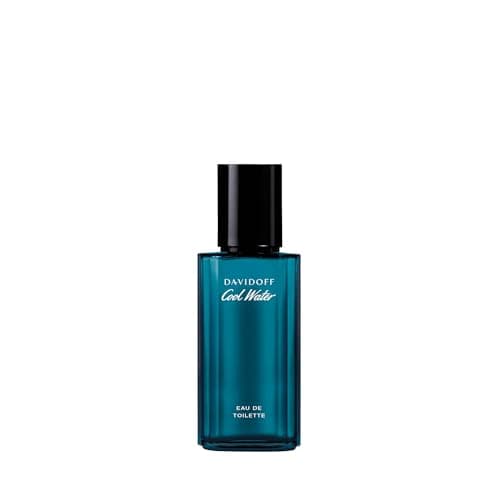
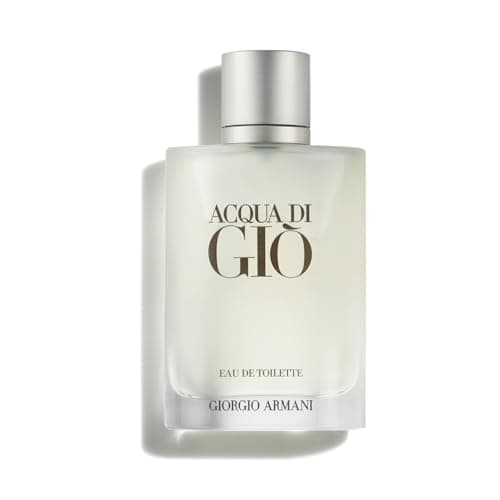
Almost every fresh, watery men's scent on the shelf today descends from two bottles: Davidoff Cool Water (1988) and Giorgio Armani Acqua di Gio (1996). Cool Water invented the modern aquatic — the cool, minty, oceanic idea of fresh. Acqua di Gio refined it eight years later into the salty citrus-marine template designers have been copying ever since. Cross-shopping them is really cross-shopping the two founding documents of an entire genre, and the honest news is that they are more alike than either's fans admit.
The practical difference is not really smell — it is money and image. Cool Water is one of the cheapest fragrances you can buy that anyone has heard of. Acqua di Gio carries a full designer name and price. What you are choosing between is a piece of nostalgic history and a piece of polished, still-current designer freshness.
How they smell, side by side
Davidoff Cool Water is mint, lavender and a watery-marine accord over a clean musky base. It is bright, cool and unmistakably late-eighties — nostalgic and comforting to noses that grew up with it, a touch dated to younger ones. It is also inoffensive to the point of near-invisibility in a crowd, which is either a virtue or a criticism depending on what you want from a scent.
Acqua di Gio EDT is a crisper, saltier, more citrus-forward take on the same fresh idea — bergamot and marine notes over a light woody base. It smells cleaner and slightly more sophisticated than Cool Water, and it wears as effortlessly summery. It is the more universally flattering of the two, which is a large part of why it has stayed in the sales charts for nearly three decades.
Put them on opposite wrists and the family resemblance is obvious: both are cool, clean and aquatic. Acqua di Gio reads a shade more expensive and less dated; Cool Water reads a shade sweeter and mintier. Neither is distinctive by today's standards — they are the templates, not the twist.
Performance and versatility
This is the least surprising part of the comparison: both are moderate performers by owner consensus, in the region of five to seven hours with polite projection. Neither is a beast, and neither pretends to be — the original Acqua di Gio EDT in particular is famously light, which is why Armani sells punchier Profumo and Parfum flankers for anyone who wants staying power. If longevity is your priority, the base EDT of either is not the answer.
On versatility they are near-identical: both are spring-and-summer scents that shine in heat and turn thin in the cold, and both are safe anywhere from an office to a first date. That flexibility is the whole appeal. You are not buying either of these to stand out — you are buying a clean, agreeable, weather-appropriate default.
The value question
Because these two smell so similar, price does more of the deciding here than usual. Cool Water costs a fraction of Acqua di Gio and delivers most of the same fresh-aquatic experience; for a beginner or a knock-around summer scent, that math is hard to beat, and it is why Cool Water still turns up on best-value lists decades after release. Acqua di Gio's premium buys you a cleaner, saltier, slightly more grown-up rendering and a name people respect — real, but incremental.
If you already own one, you do not need the other; if you own neither, let your budget and your feelings about designer names break the tie. For alternatives that share the DNA at various prices, the aquatic profile collects the field, and stronger-performing summer options sit in the summer ranking.
The verdict
Buy Cool Water if you want a genuine piece of fragrance history for the price of lunch, or you have a nostalgic soft spot for it — it is honestly hard to argue with the value. Buy Acqua di Gio if you want the more refined, more current, more universally flattering version of the same aquatic idea and do not mind paying a designer premium. If performance matters more than heritage, skip both base EDTs. Full write-ups sit in the Acqua di Gio review and the Cool Water review.