A family invented in a laboratory
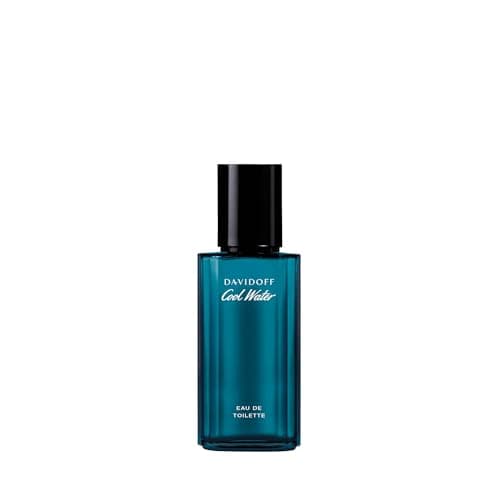
The ocean doesn't give up its smell to a still — there is no "sea oil" to extract. The aquatic family exists because of a synthetic molecule called Calone, discovered in 1966 and unleashed in the late 80s, which smells uncannily of sea breeze, watermelon rind and wet stone. Cool Water (1988) and a wave of 90s marines built an entire genre on it; modern aquatics blend Calone's descendants with citrus, herbs and ambroxan for a more refined coastline.
The shades of water
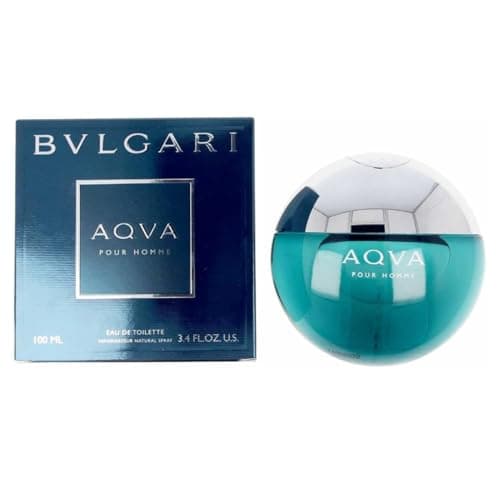
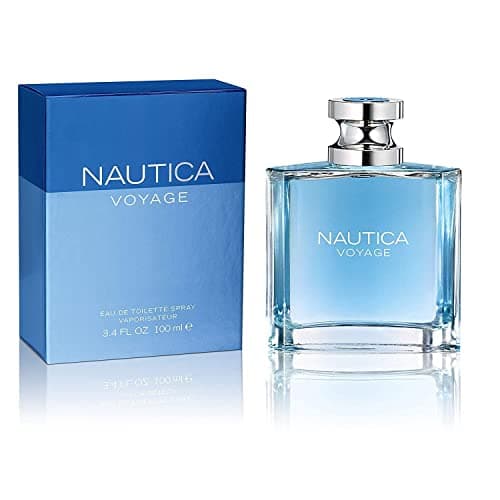
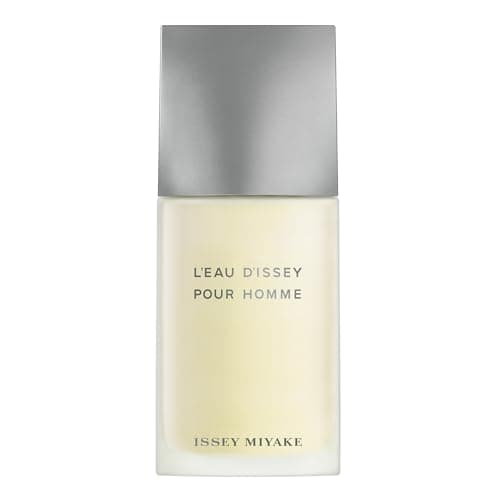
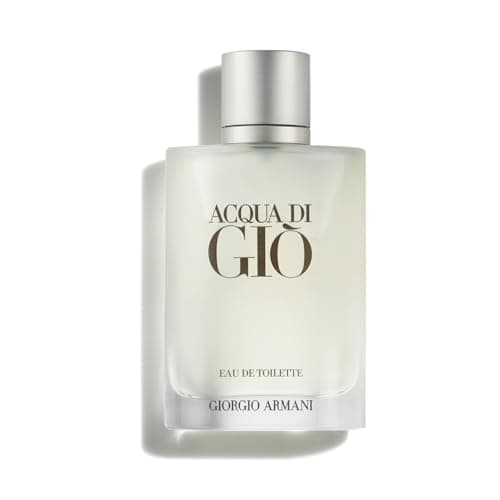
Sea-breeze aquatics — the classic salt-and-wind profile (Acqua di Gio, Cool Water). Mineral aquatics — darker, stonier, more adult (Aqva's seaweed-and-rock). Sweet aquatics — water softened with fruit or apple (Voyage). Watery-floral— the meditative end (L'Eau d'Issey). The family photographs as one blue blur from a distance, but the shades wear very differently up close.
Wearing water well
Aquatics are the least offensive family in existence — their superpower and their ceiling. They excel in heat, at coasts, in gyms, in offices; they underwhelm at candlelight, where their transparency reads as absence. Performance is citrus-adjacent: five to seven honest hours, refresh expected. Pair one with a warm evening scent and a wardrobe is functionally complete — the fresh ranking shows where the aquatics place in the wider clean field.
Choosing your stretch of coastline.
Pick your water temperature
Warm Mediterranean: Acqua di Gio. Cold Atlantic: Aqva, Cool Water. Lake-house easy: Voyage. Zen garden stream: L'Eau d'Issey. The metaphor sounds silly and works every time.
Summer first, but not summer only
Heat is the family's stage — the summer ranking leans heavily aquatic — but a marine in winter reads quietly confident, like swimming year-round. No wrong months, just quieter ones.