A flanker is a spin-off of an existing fragrance that keeps the original's name and adds a qualifier — Elixir, Intense, Extreme, Parfum, Noir, Sport, Absolu, a color, a year. It is one of the most reliable commercial moves in the industry: a house that already owns a well-known name can launch a new product into that name's existing recognition without building a brand from scratch. Dior Sauvage, Versace Eros and Gucci Guilty each now anchor a family of five or more bottles. Understanding what the qualifier means — and what it legally has to mean, which is nothing — is the single most useful piece of shelf literacy in men's fragrance.
The honest translation of each word
- Parfum / Elixir / Extrait. Usually a genuine step up in concentration, and usually the most substantial reformulation in a line. These are the flankers most likely to be worth the money.
- Intense / Extreme / Absolu. Normally a warmer, denser, usually sweeter rewrite with more base notes. Sometimes a higher concentration, sometimes just a different formula at the same strength.
- Noir / Black / Nuit. A marketing promise of darkness. Nearly always means more amber, vanilla, tobacco or incense, and a shift from day to evening.
- Sport / Fraiche / Aqua. Lighter, more citrus or marine, and almost always weaker. These are the flankers to be most skeptical about.
- A color or a place. No reliable meaning whatsoever. The fragrance inside may have little in common with the original beyond the box.
None of these words is regulated
This is the part people get wrong. Eau de toilette, eau de parfum and parfum broadly correspond to increasing concentrations of fragrance oil in alcohol, but even those bands are industry convention rather than law, and houses set their own figures. "Elixir," "Intense" and "Extreme" are purely marketing terms with no defined meaning at all. An Intense from one house can be stronger than a Parfum from another. The only reliable way to know what a flanker does is to smell it or to read a detailed comparison, which is why this site runs so many head-to-head pages. Our EDT vs EDP guide covers the concentration ladder properly.
When the flanker is the better buy
Often enough that dismissing flankers as cash grabs is lazy. There are three cases where the spin-off genuinely wins. The first is when the original is famously weak and the flanker fixes it — a short-wearing EDT with a well-made parfum version is the clearest example. The second is when the original is so widely worn that it has become anonymous, and the flanker offers the same recognizable idea with enough of a twist to feel personal. The third is seasonal: a lot of Intense and Elixir flankers are simply the winter version of a fragrance built for summer, which is a real need rather than an invented one.
The three bottles below are one of each case, and all three are flankers we would buy over their originals in the right circumstances.
How to judge a flanker before you buy
Compare the concentration, not the adjective
The box will tell you eau de toilette, eau de parfum or parfum, and that is the one piece of information on it with any consistency behind it. If the flanker is the same concentration as the original, the qualifier is describing a different formula rather than a stronger one — which may still be what you want, but it is not more fragrance for your money. Our eau de Cologne vs eau de toilette guide sets out the whole ladder, and the glossary defines the rest of the vocabulary.
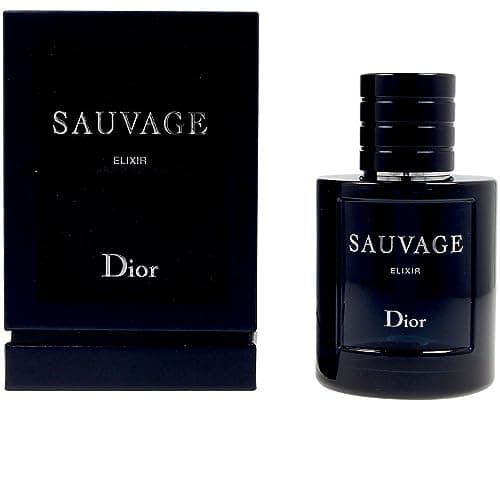
Case one, fixing a weak original: Dior Sauvage Elixir
The Sauvage family is the clearest example of a flanker line done properly. The Elixir is not a louder Sauvage — it is a dense, spicy, lavender-and-liquorice parfum that shares a silhouette with the original and almost nothing else, and it performs several leagues above the EDT. See Sauvage vs Sauvage Elixir for the direct comparison and Sauvage Elixir vs Spicebomb Extreme for the cold-weather head-to-head.
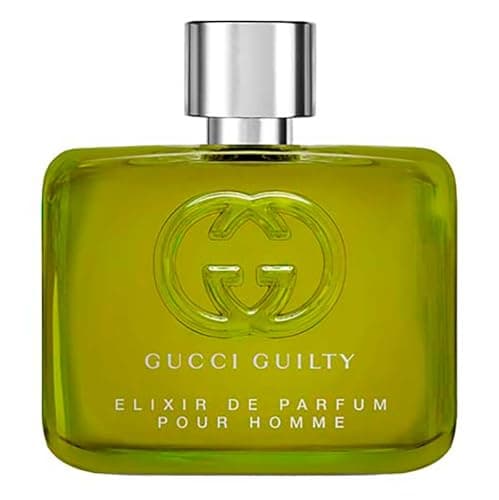
Case two, escaping an anonymous original: Gucci Guilty Elixir
Guilty Pour Homme is a pleasant, extremely common department-store scent. The Elixir de Parfum is the opposite: heavy, sweet, patchouli- and-vanilla-driven, and by owner consensus the strongest performer in the range. It is also the least office-friendly bottle in the family, which is the trade. The whole line is ranked on our Gucci page.
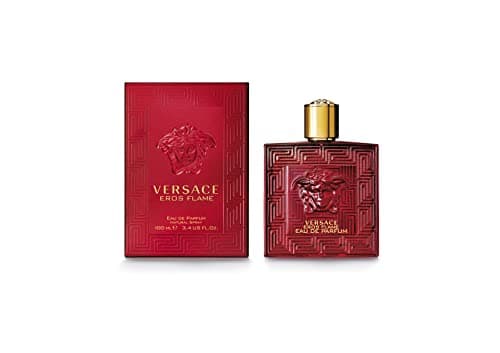
Case three, the seasonal version: Versace Eros Flame
Eros Flame is the winter Eros: pepper, rosemary and lemon over tonka and woods, spicier and more mature than the mint-and-vanilla original, and far easier to wear past thirty. Buying the flanker here is not an upgrade, it is a different season. See Eros vs Eros Flame and Eros Parfum vs Eros for the other branch of the same family.
The flankers to skip
Sport and Fraiche flankers are the weakest category by a clear margin: they take a composition that was already balanced and dilute it toward generic citrus, usually with worse longevity. Color-coded flankers with no qualifier — a bottle that is simply the Blue or Red version — are the second-worst bet, because there is no information in the name at all. In both cases, sample before you spend; our sampling guide and decants vs discovery sets cover the cheap ways to do that.
A rule of thumb
If you already love the original, a Parfum or Elixir flanker is the most likely bottle on the shelf to also work for you, and the one worth paying attention to. If you are indifferent to the original, a flanker will rarely change your mind — the shared DNA is the whole point. In that case buy a different composition entirely; our collection guide argues for range over depth, and the designer-to-niche ladder is the structured version of the same advice.