Fragrance Guides · Fragrance Guides
How to Build a Fragrance Collection
Not a random pile of bottles — a small, deliberate wardrobe that covers your whole calendar.
Base Note Club is reader-supported. We earn a commission when you buy through our Amazon links, at no extra cost to you. It never changes our verdict — and we say so when the cheaper bottle is the smarter buy. How this works.
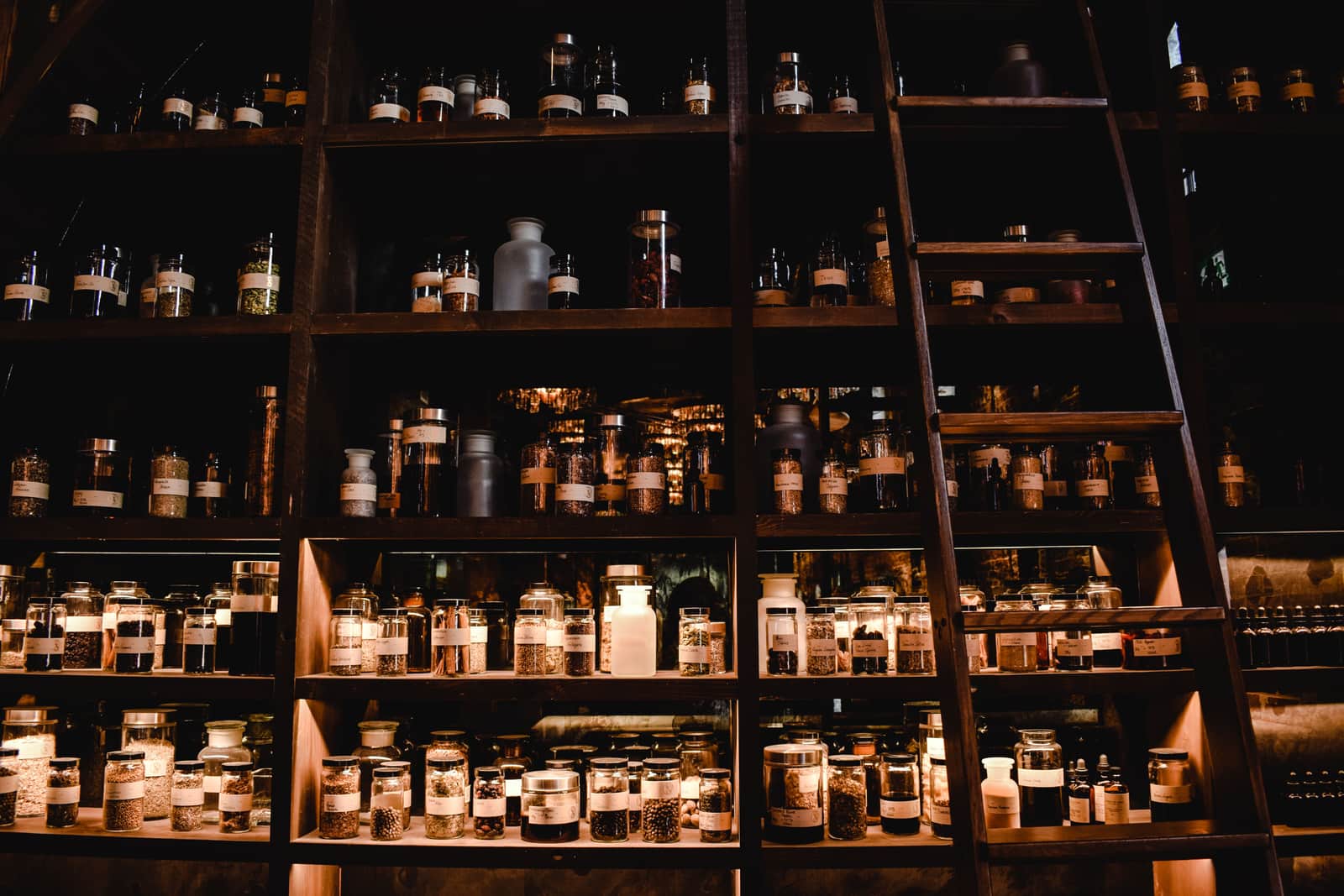
A good fragrance collection is not the most bottles — it is the right bottles. Think of it like a wardrobe: you do not need forty shirts, you need the few that cover every occasion you actually dress for. Most people are well served by a small, deliberate set of scents, each filling a clear role, built up slowly as you learn what you like. Here is how to do it without wasting money on bottles you will never reach for.
Start by filling roles, not chasing hype
Before buying anything, think about the occasions in your life. A useful starter wardrobe covers four roles:
- The everyday fresh. A clean, versatile scent for work, daytime and heat — something inoffensive you can wear anywhere. This is your most-used bottle. Start in the fresh family or the aquatics.
- The warm evening. A sweeter or spicier scent with more presence for nights, dates and dinners — see the date-night picks.
- The cold-weather heavyweight. Something rich — an amber, gourmand or woody — that shines in autumn and winter, where lighter scents disappear. Browse the amber and woodylanes, or Vetiver & Vale's rundown of the best winter colognes for a shortlist aimed squarely at the cold end of the rotation.
- The signature (eventually). The one that feels unmistakably like you — not a role you fill on day one, but the scent you gravitate to once you know your taste.
Fill those roles and you can dress your scent to any day of the year with three or four bottles. Everything after that is refinement, not necessity.
The designer-to-niche ladder
Most people start with designer fragrances — the Diors, YSLs and Armanis — because they are widely available, reliably good and easy to sample. That is the right place to begin. As your nose develops, you may want more unusual or higher-concentration scents, which is where niche houses and the deeper Arabian lines come in. There is no rule that says you must climb this ladder — plenty of people are perfectly happy with a shelf of great designers — but if you want to, do it gradually and by sampling, not by buying blind. Our designer vs niche guide maps the differences honestly, and the best Arabian fragrances are the smart-value rung in between.
Use budget bottles to cover ground fast
You do not need to spend a fortune to build a versatile wardrobe. The Arabian houses and clone-makers put out genuinely good scents for a fraction of designer prices, which means you can fill several roles cheaply while you figure out your taste. A budget gourmand, a budget fresh and a budget amber can cover most of your calendar for the price of one designer bottle. Our affordable picks and dupes hub are built for exactly this stage. Save the designer or niche splurge for the scent you have sampled, loved, and know you will wear.
Sample before every real purchase
The fastest way to a wardrobe full of bottles you love is to sample before you commit — every time. Skin chemistry, the shift from opening to dry-down, and plain taste mean the only reliable test is a day on your own arm. Buy discovery sets and decants, wear a contender for a full day, and only then buy the full bottle. Our how to sample guide walks through it. This single discipline is what keeps a collection deliberate instead of a graveyard of impulse buys.
The mistakes that bloat a collection
Three habits turn a tidy wardrobe into a drawer of regret. The first is buying blind on hype — grabbing whatever the internet is excited about this month without sampling it on your own skin. The second is duplicating a role you already have: a fourth versatile fresh scent adds nothing your first one did not already cover, while your evening and cold-weather slots sit empty. The third is chasing completeness — feeling you need every famous bottle rather than the few that suit your life. Avoid all three by shopping for the gap, not the trend: before any purchase, name the role it fills and confirm you do not already own something that fills it. A collection you actually wear beats an impressive one you do not.
How many bottles do you actually need?
Fewer than you think. Three to five well-chosen scents cover almost everyone: an everyday fresh, a warm evening scent, a cold-weather heavyweight, and one or two wildcards for mood. A collection is meant to serve your life, not become a second hobby that owns you — though if it does become a hobby, that is fine too. Start with the everyday fresh, add roles as you find gaps, and let the shelf grow around what you genuinely reach for. If you are at the very beginning, the beginner picks and a discovery set are the two best first purchases you can make.
Questions
Frequently asked
How many colognes should I own?
For most people, three to five is plenty: an everyday fresh, a warm evening scent, a cold-weather heavyweight, and a wildcard or two. Fill roles rather than collecting for its own sake.
What fragrance should I buy first?
Start with a versatile everyday fresh — a clean, office-safe scent you can wear anywhere. It will be your most-used bottle and the foundation the rest of the wardrobe builds around.
Should I buy designer or niche fragrances?
Begin with designers — they are reliable, easy to sample and widely available. Explore niche and Arabian houses later, gradually and by sampling, once you know your taste. Our designer vs niche guide covers the trade-offs.
How do I build a collection on a budget?
Lean on the Arabian houses and clones — you can fill several roles for the price of one designer bottle. Sample first, buy the budget scent for each role, and save splurges for the fragrances you know you will wear.
Keep reading
Related
- The Discovery LadderThe order to buy in while building.
- Designer vs niche fragranceThe ladder from designer to niche, explained.
- How to sample cologneTest before you commit — every time.
- Best affordable cologneFill roles cheaply while you learn your taste.
- Best cologne for beginnersThe best first bottles to build around.
Receipts
Sources
- Michael Edwards Fragrance Wheel (via Bespoke Unit)
- The Perfume Society — an introduction to fragrance
- Fragrantica — fragrance notes and reviews
We do not run a testing lab, and we do not pretend to. Our scores are judgments from compiled research — published notes and concentration data, plus aggregated owner and community reports — and first-hand impressions only where genuine. Where we could not verify something, we say so rather than quietly leaving it out. Read our full method.