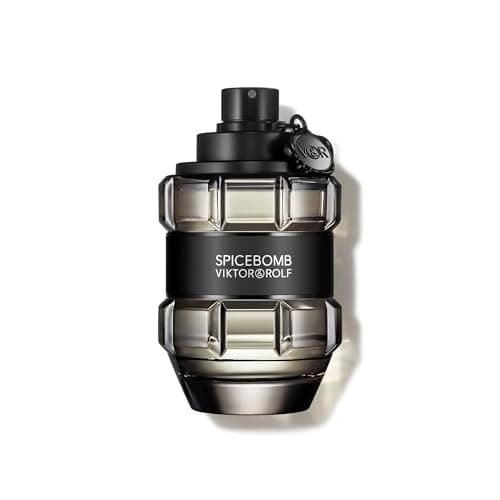
What "spicy" means in fragrance
The spicy family is built on the kitchen's warm shelf: cinnamon, clove, nutmeg, saffron, cardamom, pepper and pimento. In a composition these notes do what they do in cooking — add warmth, energy and appetite. A spicy fragrance feels alive in a way clean scents don't: it has temperature. The family splits into sweet spice (cinnamon, saffron — cozy, dessert adjacent) and sharp spice (pepper, pimento, cardamom — dry, energetic, adult), and most great spicy scents pick a side.
Where spice shows up
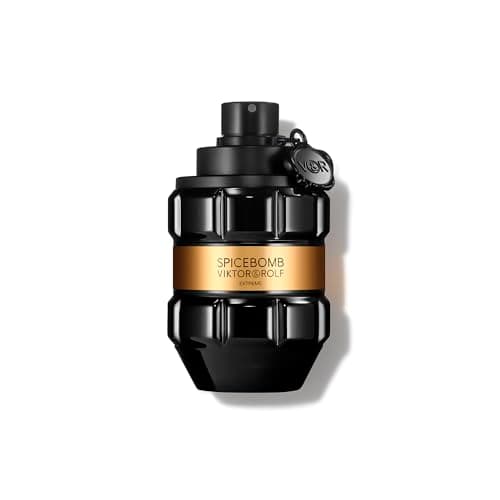
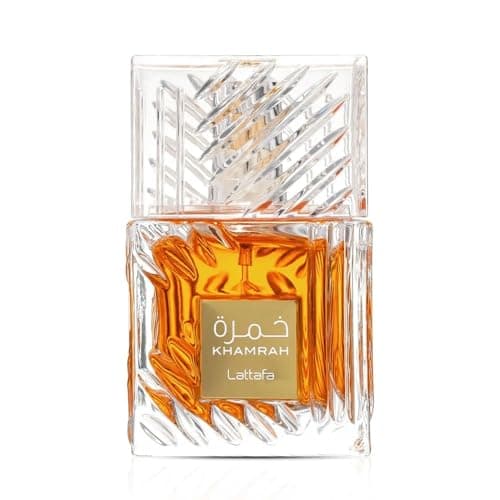
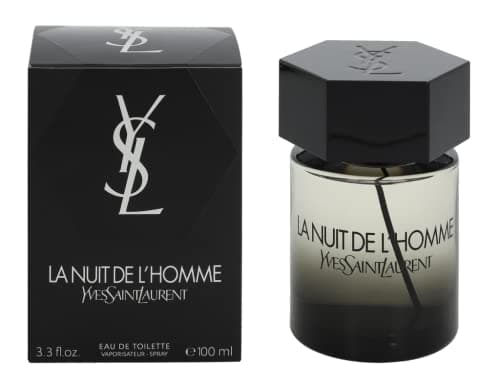
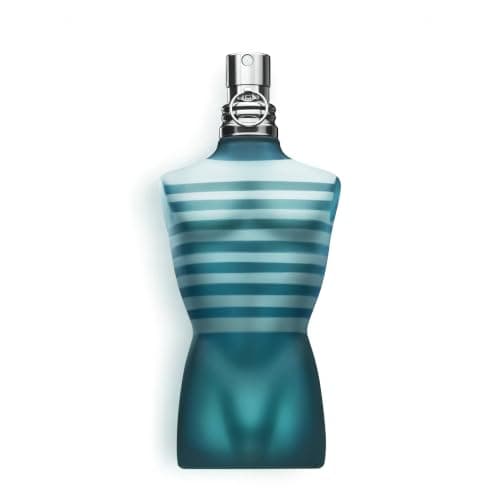
Pure spice bombs are actually rare; more often spice is the engine inside another family. Spicebomb is spice-over-tobacco. Khamrah is spice-over-gourmand. La Nuit de L'Homme is cardamom-over-woods. Le Male is spice-over-barbershop. That versatility is why the family ranks so well: a spicy pick slots into an evening role, a winter role or a signature role equally comfortably — the spicy ranking sorts the current field.
Wearing the family well
Cold air is non-negotiable equipment: spices tighten and glow in low temperatures and turn shrill in heat. October to March, evenings first, two to three sprays. If you cook with cinnamon more than lemon, this is probably your family — the notes guide decodes the individual spices so you can read a pyramid before buying.
Entering the spice family without a misstep.
Start sweet or start sharp
Sweet-spice entry: Spicebomb or Khamrah. Sharp-spice entry: La Nuit or Spicebomb Extreme. The sweet side gets more compliments; the sharp side wears more places.
Respect the season
This is the most season-bound family in fragrance — glorious in cold, genuinely unpleasant in heat. The winter ranking shows why half its podium is spice.