What "of all time" has to mean
A best-of-all-time list is worthless if it just reprints this year's best-sellers with older dates attached. So this page uses one test: did the bottle change what the men around it smelled like? Every pick below launched a genre, ended one, or forced an entire industry to copy it — and all seven are still in production and still buyable today, which is the second test. A fragrance that has been discontinued or reformulated beyond recognition is a museum piece, not a recommendation.
That rules out a lot of famous names and it rules in some bottles you would not expect. It also means the ranking is not a popularity contest. Dior Sauvage outsells everything on this page several times over and is almost certainly the fragrance a list like this will open with in twenty years' time — but it is ten years old, its influence is still unfolding, and our best cologne for men ranking is where the current market belongs. This page is about the ones whose verdict is already in.
What we judged these on
- Influence that is documented, not assumed. Each pick is the origin point of a style you can still smell on the shelf today, usually in a dozen cheaper bottles.
- Still in production. No discontinued legends, no vintage-bottle hunting, no eBay decants.
- Still wearable in 2026. We say plainly which of these now read as period pieces. Two of them do, and that is not automatically a reason to skip them.
- Honest about reformulation. Nothing from the eighties or nineties smells exactly as it did at launch. Where the current bottle is meaningfully thinner than its reputation, we say so.
The short version of the last fifty years
Men's fragrance since the seventies runs through four doors, and this list is one bottle for each of them plus the outliers that made the doors possible. The first door is the big green chypre of the late seventies — mossy, piney, dense, worn with a blazer. The second is the aquatic revolution of 1988 to 1996, when synthetic marine and melon materials made it possible for a fragrance to smell like weather rather than like a plant. The third is the sweet gourmand turn of the mid-nineties, which is why so much of the designer shelf now smells edible. The fourth is the clean, abstract, genderless minimalism of CK One, which is still the template for every "skin scent" on the market. Our fragrance families guide maps the whole wheel if you want the structure behind that story.
Which of these should you actually buy?
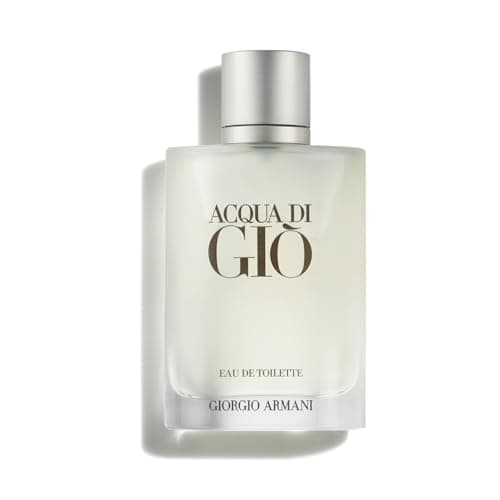
If you want one bottle that still works: Acqua di Gio
Alberto Morillas's 1996 composition is the most copied men's fragrance of the last thirty years. Bergamot and marine notes over a rosemary-and-patchouli base sounds unremarkable now precisely because Acqua di Gio made it the default. The honest knock is familiarity: plenty of people will recognize it instantly, and the EDT is light on longevity. The Acqua di Gio Parfum is the modern, longer-wearing rewrite if that bothers you, and our Acqua di Gio alternatives page covers the cheaper ways into the same idea.
If you want the one with the most personality: Le Male
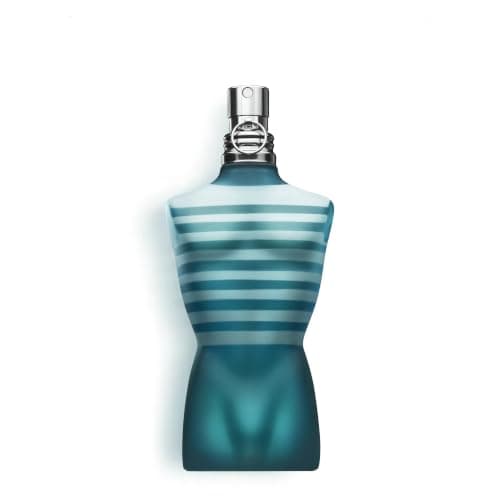
Le Male (1995) did something nobody had done at scale: it put lavender and mint over vanilla and made men's fragrance sweet. Every gourmand on the shelf today is downstream of it. It is still a loud, unmistakable, cold-weather scent that people either love or find cloying, and the sailor-torso bottle is part of the appeal. The Jean Paul Gaultier range is ranked in full, and Le Male vs La Nuit de L'Homme is the comparison people ask for most.
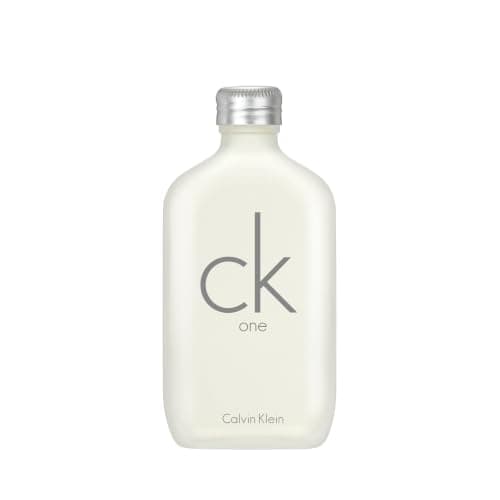
If you want the cheapest piece of history: Cool Water or CK One
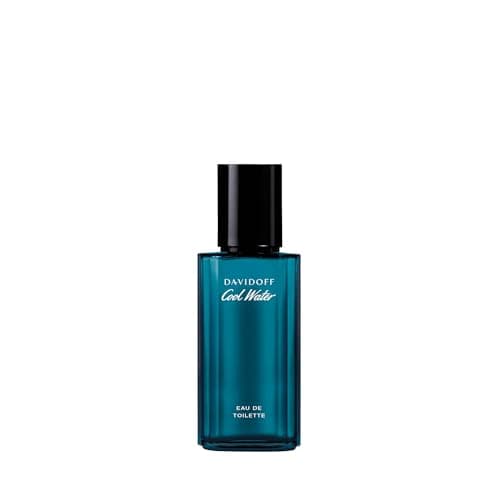
Davidoff Cool Water (1988) is the bottle that started the aquatic era eight years before Acqua di Gio refined it — mint, lavender and dihydromyrcenol, the synthetic that made "fresh" a genre. CK One (1994) is the other one: a transparent citrus-and-tea unisex launched at a moment when unisex was a commercial risk, and still the reference point for clean minimalism. Both now sell well below the modern designer average, both have been reformulated lighter than their reputations, and both are genuinely pleasant. Our best affordable cologne list covers the rest of that tier.
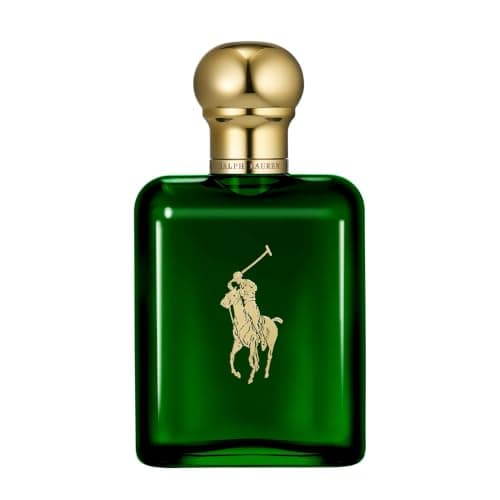
If you want the one almost nobody wears: Polo (Green)
The 1978 original Polo is the great American green chypre — pine, oakmoss, tobacco and leather, dense enough that no house would launch it today. It is the one bottle here that unambiguously reads as an older man's fragrance, and worn deliberately that is the entire point: nothing else on a modern shelf smells remotely like it. See the green profile for the rest of that family and the Ralph Lauren range for the other Polo colors.
The two to sample rather than blind-buy
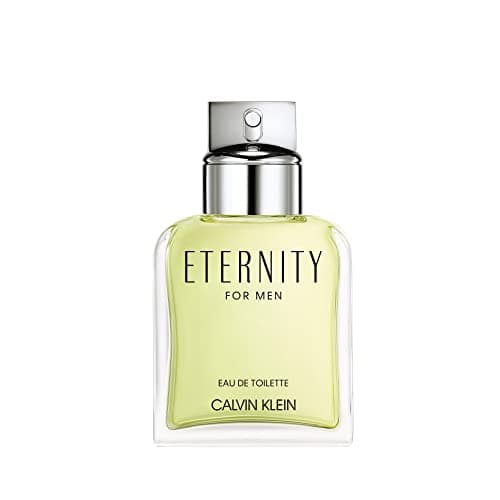
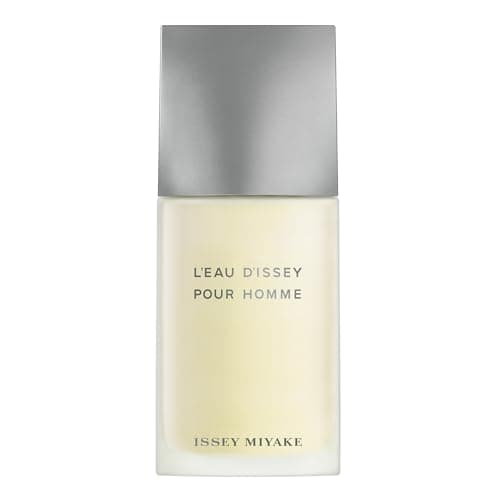
Eternity For Men and L'Eau d'Issey are the picks most likely to disappoint on a blind buy, for opposite reasons. Eternity is a clean 1989 lavender fougère that is so widely worn it can read as anonymous. L'Eau d'Issey (1994) is a yuzu-and-nutmeg aquatic with a distinctly soapy, slightly bitter character that a meaningful minority of people actively dislike. Neither is expensive by the standards of this page, but our sampling guide and the discovery sets page are the sensible route.
What this list is not
It is not a list of the most expensive or most exclusive fragrances ever made. Several genuinely great bottles are missing because they are discontinued, because the current formulation bears little resemblance to the one that earned the reputation, or because the only Amazon listings are gray-market resellers we will not point you at. Where a famous name falls into that last category we cover it editorially instead — our Creed Aventus clones page is the clearest example of how we handle it.