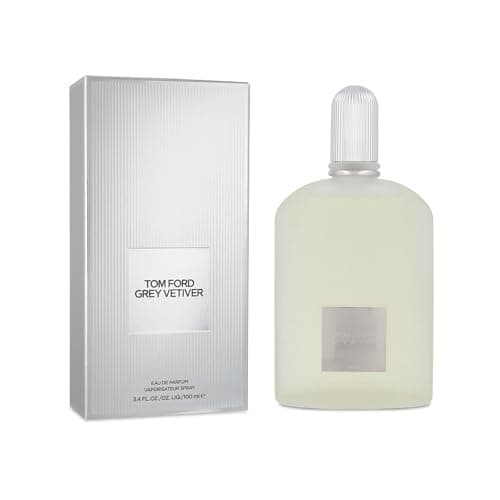
The verdict, first
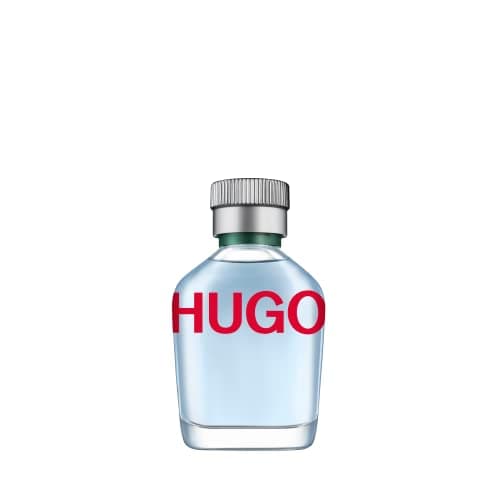
Tom Ford Grey Vetiver is the best green cologne available: a dry, grassy vetiver with citrus and spice over it, formal enough for a jacket and distinctive enough that nobody will mistake it for the current designer crowd. It is the most expensive pick here by a long way. If you want the same lane for the price of a takeaway, Hugo Man is the green apple-and-mint aromatic that has been quietly doing this job since 1995.
What "green" means in fragrance
Green is one of the three sub-families under the fresh umbrella — the other two being citrus and aquatic — and it is the one that does not try to be liked. Where aquatics chase clean and citrus chases bright, green chases the smell of living plant matter: cut grass, crushed leaves, stems, herbs, galbanum resin, pine needles, and above all vetiver, the dry grass root that anchors most of the family. The result reads as outdoors, slightly bitter and noticeably grown-up.
That bitterness is the whole point and the whole problem. Green fragrances get fewer unsolicited compliments than aquatics do, because they are not engineered for instant approval. What they get instead is character: a green scent has a point of view in a market where fresh mostly means a blue bottle built on ambroxan. If you have ever found the modern designer shelf interchangeable — and our ambroxan explainer covers exactly why it sounds that way — green is the lane to try next.
What we judged these on
- Legible green character. Vetiver, grass, herbs or pine have to be the point, not a decorative top note over a woody base.
- Wearability in daylight. Green is a daytime, three-seasons family. Anything that needs an evening to make sense is not really in it.
- Honest performance. Green materials are mostly light and volatile, so this family fades. We say which picks need a top-up.
- Price spread. One Private Blend, two mid designers and two bottles under the cost of a restaurant meal.
How to choose a green fragrance
Vetiver or foliage
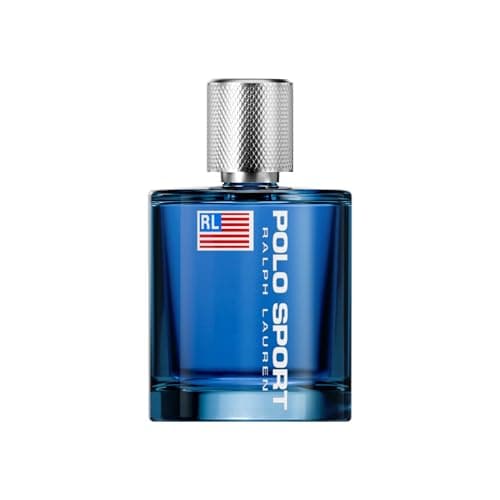
Green splits cleanly in two. Vetiver scents — Grey Vetiver here — are dry, rooty, earthy and smoky at the edges; they read formal and they are the more adult half of the family. Foliage scents are the leafier, brighter half: Hugo Man's green apple and mint, Polo Sport's cold minty citrus, the cut-stem freshness of a classic green chypre. Vetiver suits a jacket and a meeting; foliage suits a Saturday.
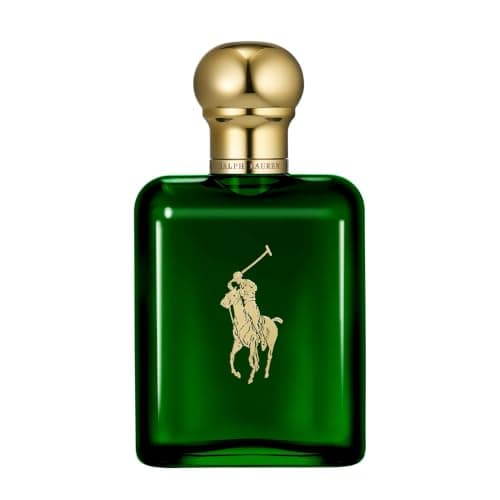
If you want the heritage version: Polo (Green)
The 1978 original Polo is the great American green: pine, oakmoss, tobacco and leather in a composition nobody would launch today. It is piney, dense and completely unlike the modern market, which makes it a genuine find for some people and an old-fashioned cologne to others. It reads as an older man's fragrance because it is one — worn deliberately, that is a feature. The Ralph Lauren line is ranked here if you want the rest of the Polo colors decoded.
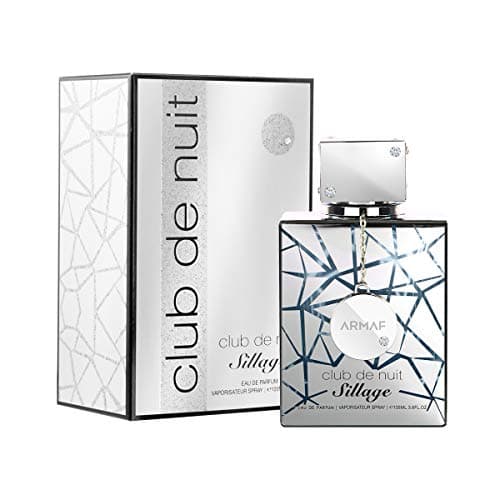
If you want performance for nothing: Armaf Club de Nuit Sillage
Club de Nuit Sillage is the value play in this family: a fresh-green EDP from a clone house that projects and lasts far beyond what it costs. It is less refined than anything above it on this page and the house has real batch variation, which is the trade you accept at the price. For the wider budget field see best affordable cologne, and clone houses explained covers who Armaf actually are.
Expect to reapply
Green materials sit near the top of a composition and evaporate quickly, which is why most of this family is moderate at best on longevity — Polo Sport in particular is a short wear. Grey Vetiver and Club de Nuit Sillage are the two that genuinely last. If longevity is your priority over character, the woody profile is the better neighbourhood, and the long-lasting roundup is the direct answer.
When to wear it
Spring and early autumn are green's home season — mild days where the bitterness reads crisp rather than harsh. It holds up in summer heat better than amber or gourmand ever will, though a citrus or aquatic is still the easier hot-weather choice; see best cologne for hot, humid weather for that case. In deep winter, green can read thin.