What actually counts as a "designer" fragrance
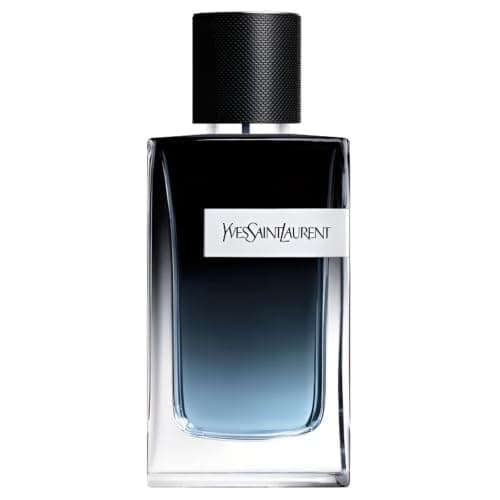
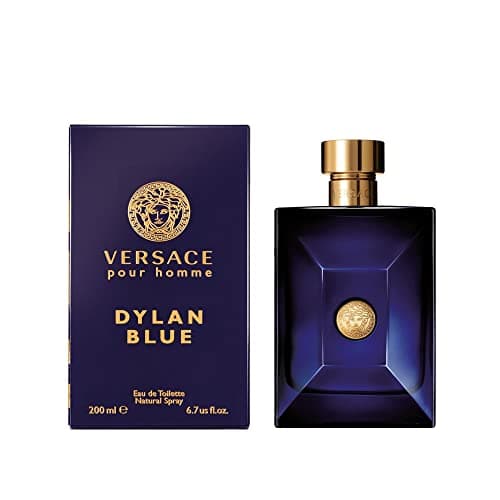
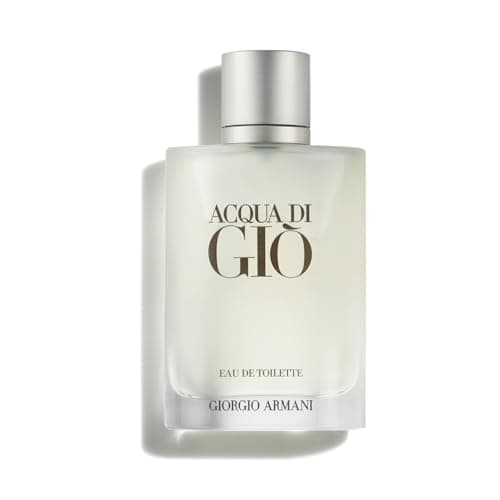
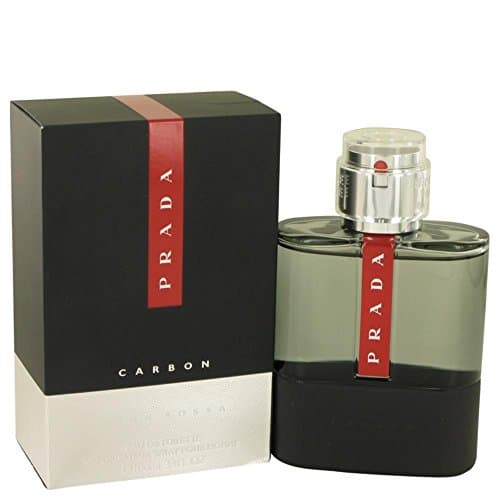
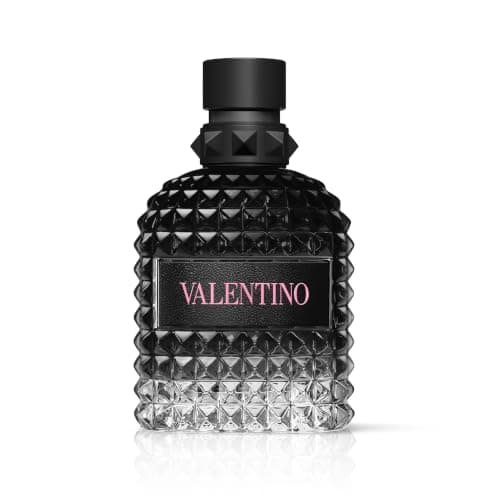
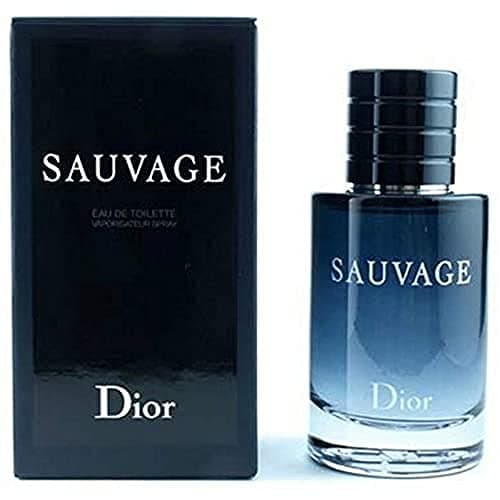
Designer cologne is the fragrance you can walk into a department store and buy under a fashion house's name — Dior, Armani, Versace, Yves Saint Laurent, Prada. It is the middle of the market: more refined and more consistent than the cheap drugstore shelf, far more accessible than the niche and artisanal houses that charge several times as much. The bottles on this page all sit in roughly the same bracket, the price of a nice dinner for two rather than a car payment, and they represent the safest, best-understood corner of the whole hobby. If you own one fragrance, statistically it is a designer — and there is nothing wrong with that.
The trap is that "designer" and "everyone owns it" are close to the same sentence. These houses sell in enormous numbers, which is exactly why they are reliable and exactly why you risk smelling like the three men ahead of you in line. So this ranking is not only about which designer smells best — it is about which ones earn their ubiquity, which ones still feel a little distinctive, and how to buy in the category without becoming a walking billboard for the year's biggest seller.
How we picked
We do not run a lab, and we will not pretend to. There is no spectrometer here and no climate chamber — anyone who tells you they measured a fragrance's longevity to the minute is selling something. What we do instead is compile. For every bottle we start from the published note pyramid and the concentration the house actually lists, because format (EDT versus EDP versus Parfum) sets the ceiling on how a scent performs before anything else does. Then we read the room: aggregated owner and community reports on longevity and sillage from the big fragrance databases, the recurring compliments and the recurring complaints, and the batch-consistency chatter that tells you whether the bottle you buy will match the reviews. We weigh that against a plain published rubric — versatility, performance for the price, distinctiveness, and how honestly the house prices the thing — and only then do we rank. Where a note about first-hand wear is genuine, we say so; where it is not, we lean on the consensus and label it as such. Every score on every card is an editorial judgment from that compiled research, not a measurement.
The versatility tier — one bottle, every situation
The top of this list is built around the fragrances that refuse to be wrong. The number-one pick is the best-selling men's scent on earth, a bright citrus-and-ambroxan machine that works in July and January, at the office and on a date, on a nineteen-year-old and a fifty-year-old. Just behind it sits a sharper, cleaner "expensive fresh" take that slides from a Tuesday meeting to a Friday night without a second thought. This is where most people should start and, honestly, where a lot of people should stop: if you want one bottle that never embarrasses you, buy from the top of this list and move on with your life. The tradeoff is baked in and unavoidable — these are the most-worn scents in the category, so the price of never being wrong is never being surprising. You will smell great. You will also smell like a lot of other men who read the same advice.
The all-rounder tier — familiar shapes, done well
The middle of the ranking is where the designer machine is at its most competent and least adventurous. A fresh woody-aromatic that is a touch more grown-up than its own loud sibling; the marine aquatic that literally defined what "summer designer" smells like and still sells by the truckload. These are not the scents that will make a stranger stop you — one of them is famously light on performance in its original format, and its own flankers hit harder if you care about that — but they are close to foolproof. If you want a second bottle that covers hot weather or the office specifically, this tier is where you shop. The honest catch is that "competent" is the ceiling here as often as the floor; a couple of these read a little synthetic in the base, and a couple are so common that they have circled back around to invisible.
The character tier — designers with a point of view
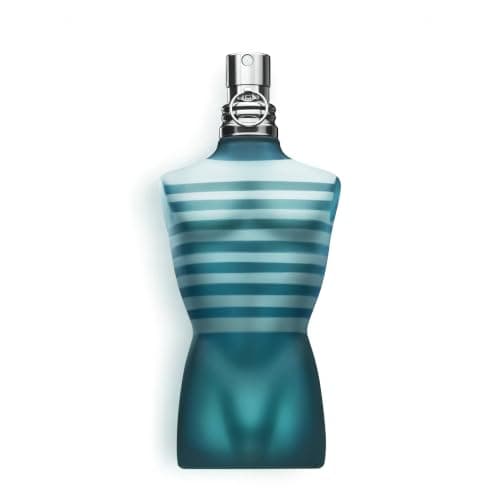
The bottom of the list is not the bottom of the quality pile — it is the end where the designers stop playing it safe. A three-decade-old sweet-fougère icon in a sailor-torso bottle that still pulls compliments and still divides a room down the middle on its vanilla-caramel sweetness. A cool, faintly metallic lavender scent that is one of the more genuinely refined designer freshies going, if you can live with polite projection. A modern woody with a salt-and-vanilla base that is more original than almost anything else the mainstream houses shipped in its era. These are the picks for the man who has already owned the obvious best-seller and wants something that feels a little more like a choice and a little less like a default. The tradeoffs are honest and specific: sweetness that not everyone loves, projection that stays close to the skin, and — on the modern woody — an EDT that performs only moderately, so you spray more and reapply. Pick the tradeoff you can live with rather than chasing a fragrance with none, because at this price a scent with no divisive edge is usually just a scent with no personality.
Match the designer to the season and the room
A designer that is perfect in one setting can be a mistake in another, and the category is wide enough to cover every one — the trick is not owning the "best" bottle but wearing the right bottle. Fresh, citrusy and aquatic scents belong to daytime, heat and the office; they read clean and cost you nothing socially, which is exactly why the aquatic classic on this list has sold for thirty years. Warm, sweet and woody scents come alive after dark and as the temperature drops, where cold air holds them close and a little sweetness reads as inviting rather than juvenile. The sweet-fougère icon and the warmer picks lower down want an autumn evening, not a July commute. If you wear fragrance mostly to work, err toward the quiet, clean end and apply with restraint; a designer that projects across an open-plan office is working against you no matter how good it smells. For a deeper split on this, the summer and winter rankings judge these same houses on whether they survive the heat or fill the cold, and the office ranking pulls out the subset that will never earn you a quiet word from HR.
How to buy without smelling like everyone else
The whole game in this category is spending designer money without buying the exact bottle on every third bathroom shelf. Three moves help. First, sample before you commit — skin chemistry is real, and the scent that is a signature on your friend can go flat or sour on you; a cheap decant or a budget bottleto test the genre saves you from an expensive mistake. Second, consider a flanker or the less-famous sibling in a house's lineup: the grown-up version of a mega-seller often smells nearly as good and reads far less common. Third, if being remembered matters more to you than being safe, weigh whether a niche fragrance is worth the jump — you pay more, but you buy distance from the crowd. And if you are still deciding where designer even fits for you, the flagship best cologne for men ranking puts these bottles next to the budget and Arabian picks so you can see the whole field at once.
The designer cologne buyer's guide
How to choose your first designer
Start with the job, not the bottle. A designer fragrance has to survive wherever you actually spend your day, so decide that first: a fresh, citrusy, versatile scent if you want one bottle for everything; a warmer, sweeter one if you mostly wear fragrance at night and in cold weather; a clean, quiet one if the office is the main event. Match concentration to that job — an EDT is brighter and shorter, an EDP richer and longer, and the EDT vs EDP guide walks the whole ladder. The single biggest mistake first-time buyers make is choosing on the opening spritz at the counter, which is the part of the fragrance that lasts twenty minutes; what you actually live with is the dry-down four hours later, and the only way to judge that is a full day on your own skin.
Common mistakes in this category
Three keep coming up. Buying the biggest seller blind because a video told you it is a "compliment monster" — it might be, but it is also the most-worn scent in the room, and ubiquity is the one flaw money cannot fix. Over-applying, especially with the loud ones: designer marketing rewards projection, but four sprays of a strong EDT is a headache for everyone in the elevator, and two is almost always enough. And confusing price with performance — a pricier bottle buys you refinement, batch consistency and the name on the cap, but longevity tracks concentration and materials, not the number on the tag. Several bottles a tier down out-last the flagships, which is the entire reason the affordable ranking exists.
Designer versus niche — and versus dupe
Designer sits in the middle of three rungs. Below it, inexpensive "dupe" houses sell fragrances built to echo the famous ones for a fraction of the money, usually trading away polish in the dry-down and consistency between batches. Above it, niche houses charge a large premium for more unusual materials, more distinctive compositions and — the quiet real benefit — far less chance of meeting your own scent on a stranger. Designer is the sensible default: consistent, widely flattering, and priced so that owning two or three is realistic. The question is only what you value. If it is the effect for the least money, look down a rung; if it is distinctiveness and you have the budget, look up; the designer versus niche guide lays out exactly what your money buys at each level.
Building a small designer rotation
You do not need a shelf of thirty bottles — you need two or three that cover your real life. A sensible designer starter kit is one versatile fresh scent for daytime and heat, one warm or sweet scent for evenings and cold weather, and, if the office is formal, one quiet clean scent that no colleague will ever notice on purpose. Buy them one at a time, wear each for a few weeks before adding the next, and you will learn your own taste faster than any ranking can teach it. Almost every bottle on this page slots into one of those three roles; the trick is not owning all seven, it is owning the right three for you. If longevity is the thing you keep chasing, the longest-lasting ranking filters the same field for staying power.