The house that invented the affordable American designer
Ralph Lauren has been selling fragrance since 1978, and in that time it has done something no prestige house has managed: it stayed cheap without ever feeling cheap. A Polo bottle is big, it is heavily discounted almost everywhere, and it is stocked in places that do not carry a single niche brand. For an enormous number of American men, a Polo was the first cologne they owned and the one their father wore, and the house has spent forty-odd years quietly protecting that position rather than chasing the trend of the moment.
The catch is the naming. Five of the bottles on this page are called Polo, they sit next to each other on the same shelf in near-identical packaging distinguished mainly by color, and they smell almost nothing alike. One is a 1970s green chypre with leather and tobacco in the base. One is a melon-and-cucumber aquatic. One is a saffron-and-coffee projection monster. A buyer who grabs "a Polo" without reading the label has roughly a one-in-five chance of getting the scent they pictured.
So this page is mostly about telling them apart. The five picks below are the ones worth buying, ranked for a buyer rather than a collector, and the section on how the five differ is the one to read if you are standing in a store right now.
What we judged these on
This is a value house, and ranking it on absolute quality against Dior or Tom Ford would be both unfair and useless. We ordered these by the things that matter at this price, in this priority:
- Who should buy first. Rank one is the bottle that answers the most common reason people shop this house — a cheap, safe, wearable daily scent that will not offend anyone — not the bottle an enthusiast would name.
- What it costs per ounce after discount. Every bottle here is sold in large sizes and discounted constantly. A fragrance that lasts five hours but costs a quarter of a designer EDP is a genuinely different proposition than the same performance at full price.
- Whether it is actually distinctive. Two of these bottles smell like nothing else on a department-store counter. Three of them smell like several things. That gap matters, and it moves the ranking.
- Honest availability. Only fragrances Ralph Lauren currently sells, with a stable mainstream listing, get a ranked slot and a buy link. The discontinued bottles and the limited releases are discussed below without one.
The Polo colors, decoded
Here is the line laid out by launch year with the accord each one actually publishes, which is the fastest way to stop buying the wrong bottle:
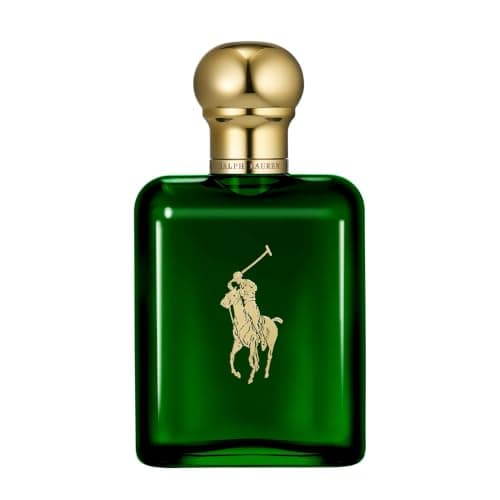
- Polo (1978, green bottle, EDT) — Carlos Benaïm: artemisia, basil and thyme with cumin, coriander and cloves, over conifer woods, patchouli, oakmoss and vetiver, finishing on leather and tobacco. A full-blown green chypre. It won a FiFi Award in 1979. Our rank three.
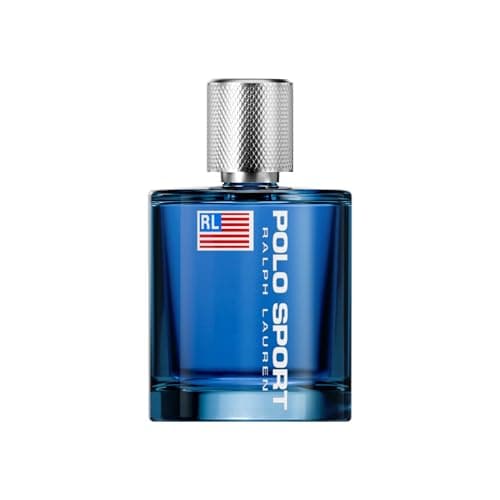
- Polo Sport (1994, white-and-blue, EDT) — Harry Fremont: mint and aldehydes with bergamot and lemon, seagrass and ginger through the middle, sandalwood, cedar and musk underneath. The 1990s sport fresh. Our rank five.
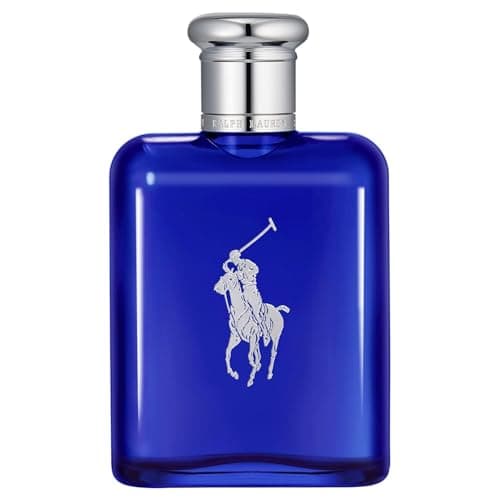
- Polo Blue (2002, light blue, EDT)— Carlos Benaïm with Christophe Laudamiel: melon and cucumber over basil, geranium and clary sage, into suede, musk, amberwood and patchouli. The house's best-seller and our rank one.
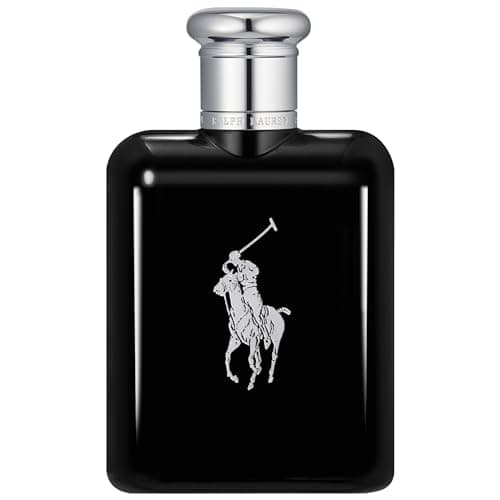
- Polo Black (2005, black, EDT) — Pierre Negrin: iced mango, mandarin, lemon and cardamom with Spanish sage, a jasmine and silver-armoise heart, into patchouli noir, tonka and cedarwood. The sweet evening one. Our rank four.
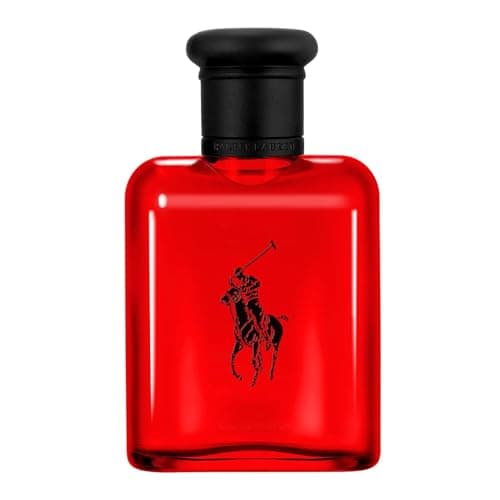
- Polo Red (2013, red, EDT) — Olivier Gillotin: cranberry, grapefruit and Italian lemon over saffron and sage, into amber, coffee and woods. The loud one. Our rank two.
Read that list and the shape of the decision appears. There are four genuinely different ideas in five bottles: a green chypre, a clean aquatic, a sweet fruity evening scent, and a loud spicy-coffee projector. Pick the idea, then pick the bottle. The color on the box tells you nothing useful on its own.
What Ralph Lauren does well — and where it slips
What the house is unusually good at is price-to-pleasantness. Polo Blue and Polo Sport are not sophisticated fragrances, but they are extremely hard to dislike, they come in large bottles, and they are discounted so routinely that the per-ounce cost undercuts almost every designer on the counter. For a first cologne, a gym bag, a teenager, or a bottle you keep in a desk drawer, that combination is genuinely hard to beat — which is why Polo turns up on our best cologne for teens and affordable rankings.
Where it slips is performance and ambition. Four of the five bottles here are eau de toilettes with wear times that owner reports generally put in the four-to-six hour range, and the fresh ones are at the bottom of that. The house also sells an enormous number of flankers — Polo Blue Parfum, Polo Red Intense, Polo Red Rush, Polo Deep Blue, Polo Supreme and more — which exist mainly because the names sell, not because the line needed them. If you want more performance than the EDTs give, the honest fix is a different house, not a fourth variation of Polo Blue. Our guide to making cologne last longer covers what you can and cannot do about that.
How the five picks differ
Polo Blue is the default: clean, watery, soapy, and almost impossible to wear wrong. Polo Red is the opposite — loud, sweet, saffron-and-coffee, and the one most likely to be noticed. Polo (Green) is the serious one: a real green chypre with leather and tobacco, and the only bottle here with historical weight. Polo Black is the cheap evening option, dark and fruity-sweet. And Polo Sport is the hot-weather budget pick, minty and short-lived.
Only two of those are really year-round. Polo Blue works across most of the calendar and Polo Sport is a summer bottle that is fine in spring. Polo Red, Polo Black and the green original all want cool weather — Red and Black because they are sweet, the original because it is heavy.
A closer look at the five
Polo Blue earns rank one on job-fit, not on excitement. Benaïm and Laudamiel built melon and cucumber over basil, geranium and clary sage, and then — unusually for an aquatic — put suede, amberwood and patchouli underneath, which is what keeps it from smelling like shower gel. It is office-proof, classroom-proof and gym-proof, it comes in bottles large enough to last a year, and it is the cheapest safe blind buy in mainstream fragrance. The honest knock is performance and originality: four to six hours is the common owner report, and it smells like a dozen other clean fresh scents. It also turns up on our best fresh colognes ranking, where you can see exactly what it is up against.
Polo Redis rank two because it is the only bottle in the line that projects. Gillotin's cranberry-grapefruit-lemon opening is frankly synthetic for the first fifteen minutes, and then the saffron and the coffee arrive and it becomes something considerably more interesting than its price suggests. It is the most-complimented Polo by community consensus and the easiest one to over-spray; two sprays is plenty, and in a small shared office even that is pushing it. If raw cheap projection is what you want, it belongs on the same shortlist as the bottles on our long-lasting ranking.
Polo (Green)is the bottle an enthusiast would put first, and we have it third for an honest reason: most people will not wear it. Benaïm's 1978 composition is a genuine piece of perfume history — herbal and spiced up top, pine and oakmoss through the middle, leather and tobacco at the base — and it has not been sanded down into something modern and inoffensive the way most survivors from that era have. It also smells unmistakably of 1978. If you want character and do not care about sounding current, nothing else at this price comes close, and it sits naturally alongside the bottles on our fougère profile page. If you want to smell like this decade, skip it.
Polo Blackis the cheap evening pick. Negrin's 2005 composition pairs an iced-mango-and-mandarin opening with patchouli noir, tonka and cedar, which gives it a dark sweetness that the rest of the line does not have. It is twenty years old now and the fruity opening shows it; the sweetness is also the part people either love or find cloying. It is rank four because Polo Red does the cheap-evening job with more personality, but Black is softer and easier to wear in company — worth considering if Red is too much, and a sensible candidate on our date night ranking.
Polo Sportis the budget pick and the weakest performer here by a clear margin. Fremont's 1994 composition is mint, aldehydes, bergamot and lemon over seagrass and ginger, into sandalwood, cedar and musk — cold, soapy, slightly metallic, and absolutely of its decade. Plan on re-applying at lunch. What it has going for it is price: it is by far the cheapest legitimate way into the house, and in July it is genuinely more wearable than anything else on this page.
What we did not rank, and why
Polo Blue Parfum (2022) and Polo Red Intense are the two flankers most worth knowing about. Both are stronger than the EDTs they extend, and both cost meaningfully more. We have left them unranked because the whole argument for this house is price, and once a Polo costs what a designer EDP costs, you should be shopping designers. Try the EDT, decide you love the accord, and only then consider the upgrade.
Polo Red Rush, Polo Blue Sport, Polo Deep Blue, Polo Supreme and the other color-and-adjective variations are mostly thinner or sweeter re-recordings of the bottles we have ranked. None of them is bad. None of them is the one to buy first, and collectively they are the reason this shelf confuses people.
Polo 67 and the seasonal citrus releases are current but deliberately slight — bright, pleasant, short-lived solar citrus. If that is what you want, Polo Sport does it for less.
Ralph Lauren Romance for Men, Ralph Lauren Safariand the older non-Polo men's bottles have patchy, seller-dependent availability. We do not put buy links on listings we cannot count on next month, which is the same standing rule we apply to limited editions.
How to read this ranking
Rank one is the bottle that does the most jobs well with the least risk. Rank two is the one that gets noticed. Rank three is the one with real character, for the buyer who wants it. Ranks four and five are the situational picks — a cheap evening scent and a cheap summer one. Every card carries a plain "don't buy this if" line, because at this price the mistake is never spending too much, it is buying the wrong one of five bottles with the same name. Prices on every card update live, and on this house in particular they move constantly — the bottle that is cheapest per ounce this week often is not next week.
How to choose your Polo
Three decisions, in this order: which of the four ideas you want, which size, and whether you should be shopping this house at all.
Decide the idea, not the color
The line holds a clean aquatic (Blue), a loud spicy-sweet projector (Red), a dark fruity evening scent (Black), a 1978 green chypre (the original), and a 1990s sport fresh (Sport). Work out which of those five sentences describes what you are picturing and you have made the entire decision. Everything else on the Ralph Lauren shelf is a variation on one of them. If you are not sure what any of those words mean, our fragrance families guide is fifteen minutes well spent.
Buy the big bottle, because this is the one house where that is right
With an expensive niche fragrance, a small bottle is often the smart buy. Here it is the opposite. These are inexpensive eau de toilettes with moderate wear time, which means you will use more per wear and more per week than you would with a stronger scent. The large sizes are where the per-ounce value lives, and the downside risk is small — if you tire of it, you have a cheap bottle in a drawer, not a costly mistake. Compare the live price per ounce on the cards before you decide.
Set your performance expectations honestly
Four of these five are EDTs, and owner reports generally put them in the four-to-six hour range, with Polo Sport at the bottom and the green original and Polo Red at the top. That is normal for the concentration and the price. If you need all-day wear from one morning application, this is the wrong house and no amount of spraying will fix it — read longevity and sillage for what actually drives wear time, and EDT vs EDP for why the label matters here.
Where Ralph Lauren sits against the alternatives
Against Dior or Armani, Polo loses on refinement and on performance, and wins decisively on price and bottle size. Against the other mid-price designer counters, the honest comparison is Burberry, which is better composed and worse value, and Hugo Boss, which does the same office job with a similarly confusing shelf. And against the Arabian houses, Polo loses badly on raw performance per dollar — a Lattafa or Armaf bottle will out-last any of these for less money — but wins on familiarity and on being a scent nobody will ask about. Our under $50 ranking is where those two arguments meet.
Who should skip Ralph Lauren entirely
Skip the house if you want to be asked what you are wearing, with the single exception of Polo Red. Blue and Sport are designed to blend in, and they succeed; the green original gets reactions, but not always the ones you were hoping for. Skip it too if longevity is your priority — nothing here competes with an EDP, and our long-lasting ranking and compliment-getters ranking are better places to spend the money.