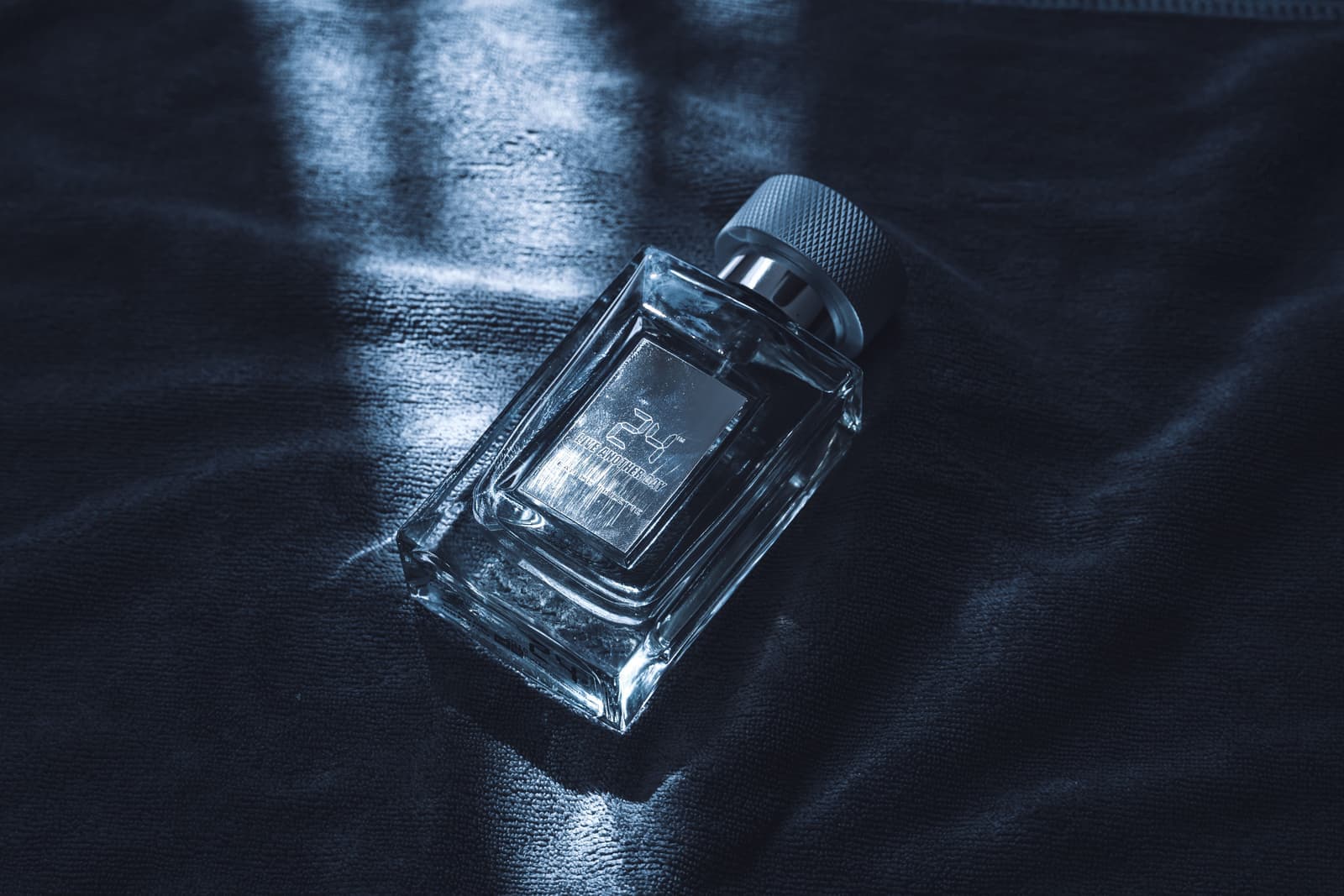
The house that made expensive smell obvious
No designer has done more to change what men expect a fragrance to cost. Before Tom Ford, a mid-price department-store bottle was the top of the market for most people; Private Blend arrived in 2007 at several times that and sold anyway, because the bottles smelled like nothing else on the counter and were marketed with a confidence that made the price feel like part of the product. Two decades later the house is the default answer to "what smells expensive," and a Tom Ford bottle on a dresser is shorthand the way a watch used to be.
The problem with shopping it is that the reputation has outrun the catalog. Tom Ford now sells more than fifty fragrances across two tiers that look almost identical in a listing and differ by well over a hundred dollars a bottle. Several of the most famous names are Private Blends you do not need. Several of the best buys are Signature bottles nobody talks about. And the material that made the house famous — the dense, unapologetic, one-idea composition — is also what makes half the line wearable about four months a year.
The five picks below are the ones we would spend our own money on, ranked for a buyer rather than a collector. If you only read one section, make it Signature vs Private Blend — that is the part of this page that saves the most money.
What we judged these on
Ranking a house like this on "which smells best" would be close to useless, because the answer changes with the weather and with how much you are willing to spend. We ordered these by the things that actually differ, in this priority:
- Who should buy first. Rank one is the bottle that answers the most common reason people shop this house — something that smells costly and gets noticed, without a second mortgage or a seasonal restriction — not the bottle an enthusiast would name.
- Cost per ounce, not sticker price. Tom Ford sells the same juice in 30ml, 50ml, 100ml and 150ml bottles at wildly different per-ounce rates, and the Private Blends are routinely sold in small sizes that flatter the sticker. We weighed what you actually pay for volume.
- How many months a year you can wear it. A scent you can only use from November to February is a second bottle, not a first one, and it is ranked accordingly.
- Honest availability. Only fragrances Tom Ford currently sells, with a stable mainstream listing, get a ranked slot and a buy link. Discontinued bottles and the limited Private Blend releases are discussed below without one.
Signature vs Private Blend: the only thing you must understand
Tom Ford splits its fragrances into two collections, and the split is the single most expensive thing a first-time buyer can get wrong.
Signature is the mainstream line — Ombré Leather, Noir Extreme, Grey Vetiver, Black Orchid and the rest. These are built on a conventional top-middle-base structure, they are designed to be broadly wearable, and at 100ml they land in the same bracket as a premium designer bottle from Dior or Armani. Private Blend is the connoisseur line — Tobacco Vanille, Oud Wood, Lost Cherry, Tuscan Leather, Bitter Peach. These are deliberately built around one dominant material rather than a pyramid, use a higher oil load and costlier ingredients, and at 100ml they cost roughly two to three times a Signature bottle.
That is the whole decision in one paragraph. Private Blend is not "better Tom Ford"; it is more concentrated, more singular Tom Ford, and more of it than most people need. If you want a bottle you will wear two or three times a week, Signature is the honest tier. If you want the specific accord that only a Private Blend does — pipe tobacco, soft oud, boozy cherry — then the price is the price, and a 30ml or 50ml decant size is usually the sane entry. Our designer vs niche guide covers where this house sits on that ladder, and EDT vs EDP explains what the concentration labels do and do not promise.
What Tom Ford does well — and where it slips
What the house is genuinely excellent at is legibility. A Tom Ford fragrance announces its idea in the first thirty seconds and then holds it: Oud Wood is oud and cream, Tobacco Vanille is tobacco and vanilla, Grey Vetiver is vetiver. There is no three-act structure to wait through and no awkward middle. That clarity is why the house photographs so well in reviews and why its accords are the most cloned in the business — Tobacco Vanille alone has spawned an entire budget sub-genre, which our cologne dupes hub gets into.
Where it slips is value and restraint. Several Signature bottles are thinner than their price suggests, the Private Blend line has grown past the point where each release has a reason to exist, and the house has a habit of re-releasing a successful accord as an "Extreme," "Parfum" or "Elixir" within a couple of years. There is also a straightforward performance issue on the quieter bottles: Oud Wood and Grey Vetiver are both close-wearing by community consensus, which is a hard thing to accept at Private Blend money. We say so on the cards.
How the five picks differ
Ombré Leather is the versatile one: a clean, suede-like leather you can wear to an office without anyone flinching. Noir Extreme is the crowd-pleaser — creamy, spiced, almost edible, and the bottle most likely to get you asked what you are wearing. Grey Vetiver is the formal one, dry and bitter and grown-up. Tobacco Vanille is the famous one, and the most seasonal thing here. Oud Wood is the quiet one, and the one that trades performance for refinement.
Two of those are genuinely year-round. Ombré Leather handles everything short of real heat, and Grey Vetiver is at its best in spring and fall. Noir Extreme and Oud Wood want cool weather. Tobacco Vanille wants winter and nothing else — in July it is close to unwearable, and we would rather say that than sell you a bottle you use six weeks a year.
A closer look at the five
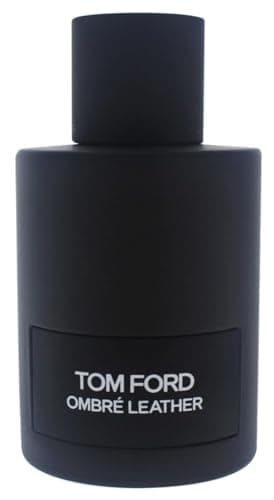
Ombré Leathertakes rank one because it is the only bottle here that is simultaneously distinctive, versatile and in the cheaper tier. Sonia Constant's 2018 composition is cardamom over leather and jasmine sambac, settling on amber, moss and patchouli, and the leather it draws is suede rather than tar — soft, slightly sweet, closer to a new jacket than to a saddle. It is also the house's most consistent performer: owner reports cluster around eight hours or more with real presence for the first several. The honest knock is the floral lift. Jasmine sambac and a violet-ish edge sit high in the composition, and a meaningful minority of wearers find it reads feminine. Sample before you commit if that matters to you.
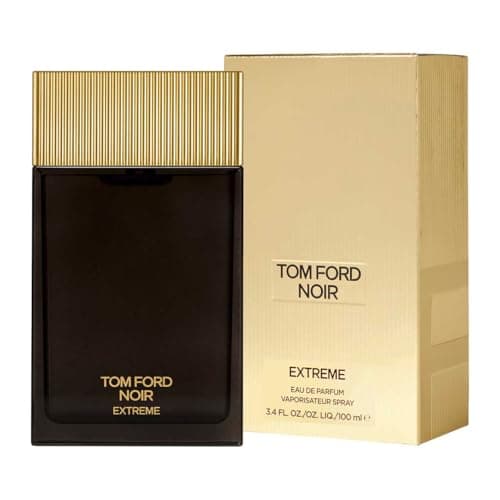
Noir Extremeis the bottle we would buy as a gift without hesitating. Constant again, in 2015, and the trick is the heart: an accord built on kulfi, the Indian pistachio-and-cream dessert, sitting under cardamom, nutmeg, saffron and mandarin and over vanilla, amber and sandalwood. It smells creamy and warm and slightly nutty, which is an unusual register for a men's designer, and it is reliably the most complimented Tom Ford — it turns up on our compliment-getters ranking for exactly that reason. Two caveats: it is sweet enough to be wrong in a warm room, and it has become common enough that it no longer surprises anyone.
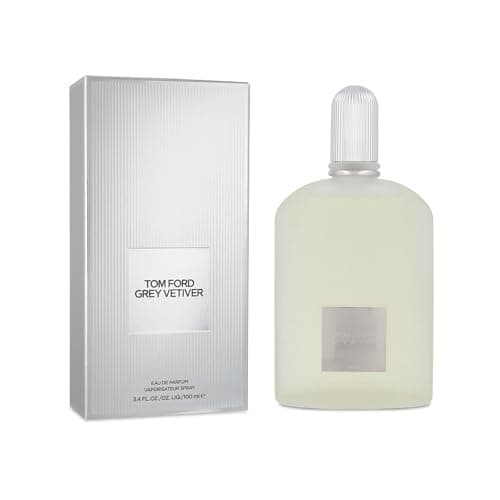
Grey Vetiveris the pick for anyone who has to dress properly for work. Harry Fremont's 2009 composition runs grapefruit, orange blossom and sage into nutmeg, orris and pimento, and lands on vetiver, oakmoss, woods and amber — dry, mineral, faintly bitter, and polished by the orris rather than sweetened. It is the one bottle in this house that would be entirely appropriate at an interview, which is why we also rank it on interview-safe colognes. The trade-off is reach: it stays close, projects modestly, and will not be noticed from across a table. That is the point, and it is also why it is rank three rather than rank one.
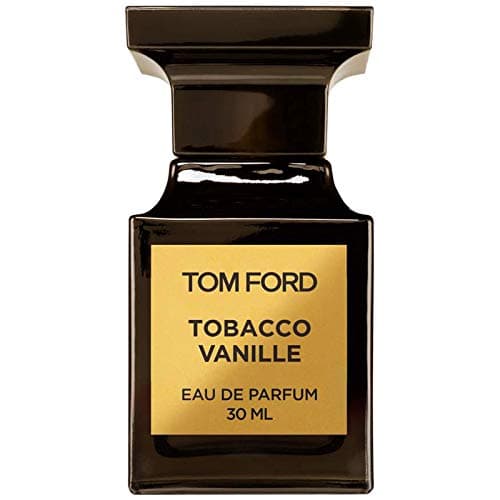
Tobacco Vanilleis the most important fragrance the house has ever released and the one we recommend most carefully. Olivier Gillotin's 2007 Private Blend is tobacco leaf and spice over vanilla, cacao, tonka and tobacco blossom, with dried fruits and woods beneath — pipe tobacco, dried fig, gingerbread, a hint of rum. It is magnificent in December and genuinely oppressive in August, it carries the highest cost per ounce of anything on this page, and it has been copied more comprehensively than any other modern accord. If you want the real thing, buy a small bottle; two sprays is the dose. It anchors our best tobacco colognes ranking, where the cheaper alternatives are laid out honestly.
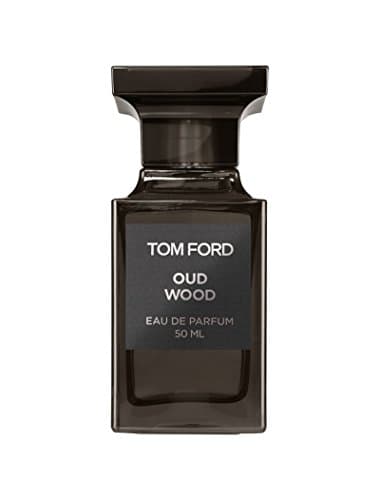
Oud Woodis the house's most civilized bottle and its most divisive value proposition. Richard Herpin, 2007: oud kept soft and creamy, wrapped in rosewood, cardamom, pink pepper, sandalwood, vetiver, tonka and amber. It is the fragrance that taught the Western market oud could be smooth rather than medicinal, and it still does that job better than almost anything. It is also quiet. Owner reports commonly describe it going skin-close within a couple of hours, and at Private Blend pricing that is a real complaint, not a nitpick. If raw oud performance is what you are after, the Gulf houses on our best oud colognes page deliver far more of it for far less.
What we did not rank, and why
Black Orchid (2006)is the house's other genuine icon and the hardest omission. It is a dark, truffled, chocolate-and-ylang composition that plenty of men wear well, but it is marketed and worn predominantly as a women's fragrance and it is the most polarizing thing Tom Ford sells. We have left it off a men's ranking rather than pretend it is an easy recommendation; it is worth sampling if the description appeals.
Tuscan Leather (2007), Lost Cherry (2018), Bitter Peach (2020) and Fucking Fabulous (2017)are all current Private Blends with real followings. They miss slots on price-to-wearability: each one is a single dramatic idea at the top of the house's pricing, and none of them is a sensible first Tom Ford. If you already own one of our five and want the next step, these are where to look — sample first.
Neroli Portofino (2011) and Costa Azzurra (2014) are the summer Private Blends, and they are genuinely good at that job. They are unranked for the reason that disqualifies most expensive citrus: neroli and bitter orange are volatile materials, both bottles are widely reported to fade fast, and paying Private Blend money for three hours of wear is a hard case to make.
The "Extreme" and "Parfum" re-releases — Noir Extreme Parfum, Ombré Leather Parfum, Oud Wood Intense and the rest — are the house's flanker habit. Some are genuinely stronger. All of them cost more than the originals we have ranked, and none is a better first purchase. Buy the original, decide whether you love the accord, and only then consider the upgrade. Limited and seasonal releases get no buy link from us at all, for the same reason we do not recommend a discontinued bottle: the listing you clicked may not exist next month.
How to read this ranking
Rank one is the bottle that does the most jobs well for the least money per ounce — check the sizes on the cards, because the biggest sticker here is also the cheapest juice. Rank two is the one most likely to get you a compliment. Rank three is the one to wear when the room is formal. Ranks four and five are the Private Blends that earn their price, in the order we would buy them. Every card carries a plain "don't buy this if" line, because with a house this expensive the useful advice is mostly about which bottle to skip. Prices on every card update live — we never print a number in the prose that can go stale, and with Tom Ford the gap between the 30ml and the 100ml of the same juice is wide enough that the size you choose matters more than the bottle you choose.
How to choose your Tom Ford
Three decisions, in this order: which tier you are shopping, which size of it, and whether another house does the same idea for less.
Pick the tier before the bottle
If this is your first Tom Ford, buy Signature. The line exists precisely for the buyer who wants the house's character at a designer price, and three of our five picks live there. Private Blend makes sense in one situation only: you have smelled a specific accord — tobacco, oud, cherry, leather — nothing cheaper reproduces it, and you will actually reach for it. Buying Private Blend to own a Private Blend is the most common expensive mistake in this house.
Then do the per-ounce math, because the house hides it
Tom Ford sells the same fragrance in four sizes, and the small bottles carry a brutal premium per ounce. A 30ml Private Blend can cost nearly as much as a 100ml Signature while containing a third of the juice. Before you buy, divide the live price on each card by the volume in the listing title and compare. Sometimes the big bottle of the cheaper tier is three times the fragrance for the same money; sometimes a small bottle is genuinely the right call because the scent is a winter-only specialist. The cards update live, so do the arithmetic on the day you buy, not from a number you read in an article.
Sample anything Private Blend, without exception
Every Private Blend is built around one dominant material, which means your reaction to that material decides the entire bottle. There is no partial credit: if you do not like dried-fruit tobacco, Tobacco Vanille has nothing else to offer you. Spend a few dollars on a decant first. Our guide to sampling cologne before buying covers how to do that properly, and discovery sets are the cheapest route into several at once.
Where Tom Ford sits against the alternatives
Against the mainstream designers, Tom Ford charges more and delivers more character — the comparison is not really close on distinctiveness. Against a true niche house like Parfums de Marly, Private Blend loses on performance per dollar and wins on cultural recognition; Layton and Herod simply last longer than Oud Wood. And against the Arabian houses, Tobacco Vanille and Oud Wood are the two most-cloned accords in the business, which means a budget Arabian-house bottle gets you most of the way there — our niche cologne ranking and affordable ranking make that case with specific bottles. If you want the designer-counter version of the same budget question, our Burberry ranking and Ralph Lauren ranking cover two houses that sell the same categories for a third of the money.
Who should skip Tom Ford entirely
Skip the house if your priority is performance per dollar. Three of the five bottles here are quiet by design, and the two loud ones are the two most expensive. Skip it too if you need one bottle for everything — the house's whole approach is single-idea compositions, which makes for great specialists and poor all-rounders. If versatility is what you want, the woody profile has better value, and the designer ranking is the honest comparison shelf.