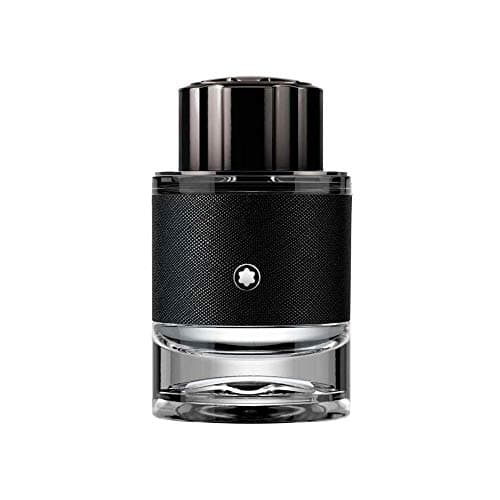
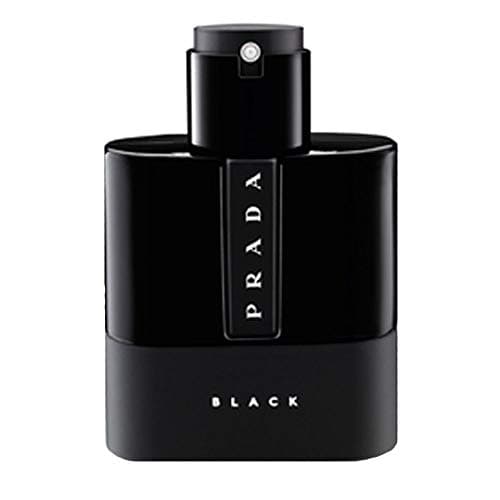
Why woody is the grown-up lane
If fresh is the safe starting family and gourmand is the sweet crowd-pleaser, woody is where fragrance grows up. Woody scents are built on the dry, warm, confident smells of cedar, sandalwood, vetiver, patchouli and leather — the notes that read as substance rather than sugar. They tend to sit closer to the skin, last well, and skew a little more formal and a little more masculine than the alternatives, which is exactly why so many people gravitate here once their nose develops. Where a bright citrus says "clean," a good woody says "solid."
The sub-families inside "woody"
"Woody" is a big tent on the Michael Edwards fragrance wheel. Some woods are dry and smoky (vetiver, cedar); some are creamy and soft (sandalwood); some lean spicy (woody-spicy blends); some go powdery and refined (iris-woods); and some cross into leather. The picks below span that range on purpose: a refined iris-wood, a smoky vetiver value king, a spicy tobacco-wood winter scent, a professional office wood, and a couple of warm cold-weather ambers with a woody backbone. Match the sub-family to the mood you want.
Season, versatility and performance
Woody scents are the most all-season family here, but they lean cool. Dry cedar and vetiver hold up fine in mild heat, while the warmer, spicier and leather-heavy woods come alive in autumn and winter and can feel heavy in a July afternoon. By aggregated owner reports, this family also tends to perform well — woods are heavy base-note molecules, so they cling and last where lighter citrus burns off. Every card below carries a plain "don't buy this if" line, because the fastest way to hate a good woody is to wear a formal one to the gym.
How this ranking is built
Rank one is the woody we would hand the most people who want the family done right, not the single most niche or challenging bottle. As you move down, the picks get more specific: a value performer, a spicy winter signature, a work-safe default, a modern slightly-sweet wood, and a dark budget option that punches far above its price. This ranking is compiled from published note breakdowns, concentration data and the aggregated verdicts of thousands of owner reviews. If you want the fresher end of the spectrum instead, the best fresh colognes cover it.
How to choose your woody
Decide dry, spicy, or refined
The woody family splits three useful ways. Dry woods — vetiver, cedar — are the most versatile and daytime-friendly; start here if you want an all-rounder. Spicy woods — pepper, tobacco, resins over the wood — are the cold-weather statement makers. Refined woods — powdery iris-woods and soft sandalwoods — are the dressed-up, formal-evening options. Pick the one that matches where you will actually wear it.
Match it to the season
The lighter, drier woods work nearly year-round; the warm, spicy and leather-heavy ones want cool air. If you live somewhere hot, favor the vetiver-and-cedar end and save the heavy ambers with a woody base for evenings and travel. The winter ranking judges warm scents on exactly this.
Sample first — woods swing with skin
Woody notes, especially sandalwood and vetiver, can read dramatically differently from person to person; a wood that is creamy on one man turns sharp or sour on another. Test on your own skin and wait for the dry-down before committing — a discovery set or decant is the cheap insurance, and our sampling guide walks through it.