The quietest fragrance house on the counter
Burberry has been selling men's fragrance since 1995 and has spent most of that time making scents that behave themselves. Touch, Brit and the original Classic are all variations on the same brief: clean, warm, well-mannered, and unlikely to be the most interesting thing in a meeting. That is not an accident. The house sells trench coats and check scarves to people who want to look expensive without looking loud, and its fragrances were built to match.
Then, in 2021, it released Hero — a fragrance whose entire base is three different cedars and which contains no fruit, no sweetness and almost no second idea. It was the first genuinely attention-seeking thing the house had done, and it reset what a Burberry bottle can be. The current shelf is the result: four polite classics and one dry, resinous outlier, sold side by side with no indication of which is which.
The five picks below are the ones worth your money, ranked for a buyer rather than a collector. The honest headline for this house is that it is better at composition than it is at value — the fragrances are well-made, and the US listings are not cheap. The section on what Burberry does well and where it slips deals with that directly.
What we judged these on
This is a small, coherent line — five current men's bottles, not thirty — so the comparison is mercifully simple. We ordered these by the things that actually differ, in this priority:
- Whether it is distinctive. Three of these bottles are competent versions of a familiar shape; two of them smell like nothing else on the counter. At this price, distinctiveness is what you are paying for, so it ranks first.
- Who should buy first. Rank one has to be a bottle that a first-time Burberry buyer will be glad they chose, not the one an enthusiast would defend.
- Performance for the money.Four of the five are eau de toilettes and the line's list prices run higher than its composition quality would suggest. We weighed reported longevity and projection against what the bottle actually costs today, not against its list price.
- Honest availability. Only fragrances Burberry currently sells, with a stable mainstream listing, get a ranked slot and a buy link. The bottles the house has quietly retired are discussed below without one.
The Burberry men's line, decoded
Here is the line laid out by launch year with the accord each one actually publishes:
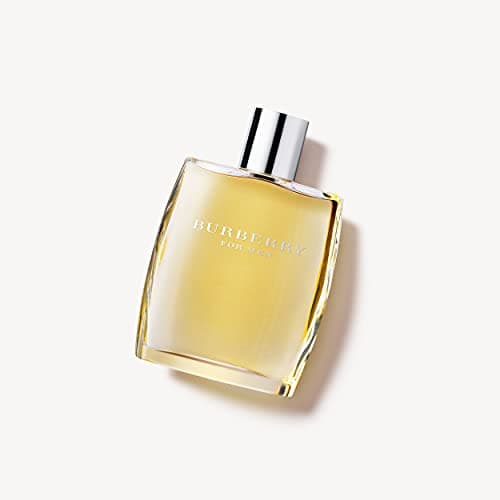
- Burberry for Men / Classic (1995, EDT) — Michel Almairac and Créations Aromatiques: thyme, mint, lavender and bergamot over jasmine, geranium, sandalwood and oakmoss, into musk, amber and vanilla. A traditional barbershop fougère. Our rank five.
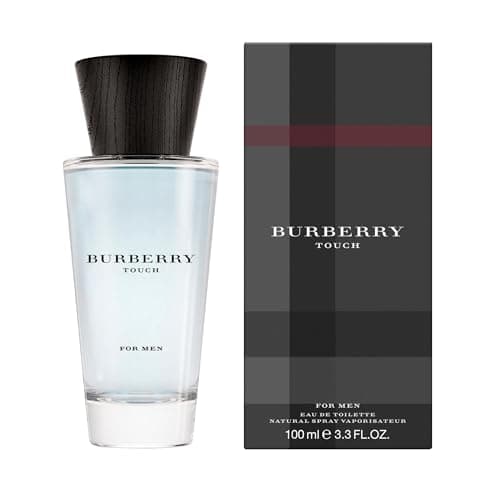
- Touch for Men (2000, EDT) — Jean-Pierre Bethouart: artemisia, violet leaves and mandarin leaf over cedarwood, white pepper and nutmeg, into tonka, vetiver and skin musk. The clean one. Our rank three.
- Brit for Him (2004, EDT) — Antoine Maisondieu: ginger, cardamom, green mandarin and bergamot over wild rose, nutmeg and cedar, into tonka, gray musk, cedar and patchouli. The cozy one. Our rank four.
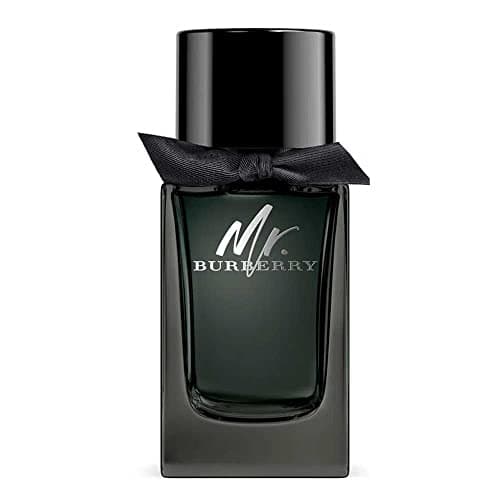
- Mr. Burberry Eau de Parfum (2017) — Francis Kurkdjian: cardamom, mint, grapefruit and tarragon over lavender, nutmeg and cedar, into patchouli, cinnamon, amber, benzoin, vetiver and sandalwood. The best-composed one. Our rank two.
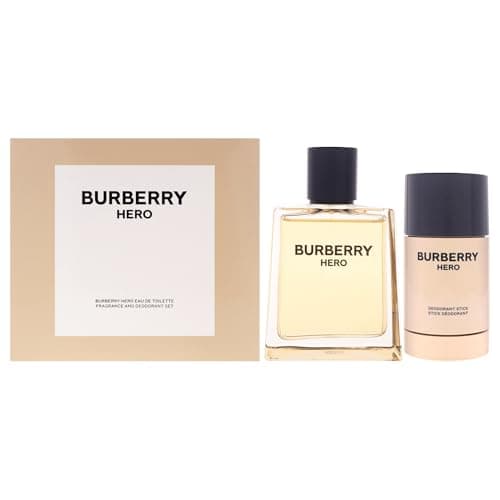
- Hero (2021, EDT) — Aurélien Guichard: bergamot over juniper and black pepper, into Atlas, Virginian and Himalayan cedar. The outlier. Our rank one, and the card below links the eau de toilette bundled with a deodorant, because that set is currently the cheapest route to the bottle.
Four ideas in five bottles: a classic fougère, a clean musky woody, a warm spiced woody, and a dry cedar. Pick the idea and the shelf stops being confusing — which is a sentence we cannot write about most designer houses this size. If the concentration labels are what you are unsure about, our EDT vs EDP guide explains what they change and what they do not.
What Burberry does well — and where it slips
What the house is genuinely good at is restraint with real craft behind it. Touch is a quarter of a century old and still one of the most wearable clean musks on a counter; Mr. Burberry Eau de Parfum was composed by Francis Kurkdjian, who is one of the most accomplished working perfumers in the business, and it shows in the blending. Burberry does not release eight flankers a year, does not chase every gourmand trend, and does not sell the same accord four times. In a market where that is the norm, a five-bottle line where every bottle has a clear purpose is a real virtue.
Where it slips is price and performance. Burberry's US listings routinely sit above what comparable designer EDTs cost per ounce, partly because the house sells smaller bottles than its rivals, which makes the value case awkward — you are paying a Dior-adjacent price for a line that performs more like a mid-tier one. And the EDTs are genuinely modest performers: Hero's wear time is its most common criticism, Touch is close to the skin by design, and only Mr. Burberry Eau de Parfum reliably lasts a working day by owner consensus. The house knows this, which is why Hero now also exists as an Eau de Parfum and a Parfum. Watch the live cards before you buy; the discount on this house swings widely by size and seller, and more than once the gift set has been cheaper than the standalone bottle.
How the five picks differ
Hero is the distinctive one: dry, resinous, almost pencil-shaving cedar, with no sweetness anywhere in it. Mr. Burberry Eau de Parfum is the best-made one — spiced lavender and cedar with a warm amber-benzoin base, and the only bottle here that lasts properly. Touch for Men is the quiet one, clean and musky and completely uncontroversial. Brit for Him is the cozy one, gingery and faintly powdery. And Classic is the old-school barbershop fougère the house started with.
Only one of these is truly year-round, and it is Touch — the clean musk works in July and in January. Hero and Mr. Burberry are at their best in cool weather, Brit is a sweater scent, and Classic suits spring and fall. None of them is a summer specialist, which is a genuine gap in this line.
A closer look at the five
Herotakes rank one because it is the only bottle in this house that nobody will mistake for something else. Guichard built it on three cedars — Atlas, Virginian and Himalayan — under bergamot, juniper and black pepper, and the result is startlingly dry: resinous, woody, slightly peppery, with no fruit and no vanilla anywhere in it. On a counter full of sweet designer woodies it reads as almost austere, and that is exactly why it is worth owning. Two honest caveats. It is linear — what you smell at ten minutes is what you smell at four hours, with no development to wait for. And the eau de toilette's wear time is the most common complaint about it, which is why the house released stronger concentrations. If you want to know what else lives in this lane, our best woody colognes ranking is the comparison shelf.
Mr. Burberry Eau de Parfumis the bottle we would buy for ourselves. Kurkdjian's composition opens on cardamom, mint, grapefruit and tarragon, runs lavender, nutmeg and cedar through the middle, and lands on patchouli, cinnamon, amber, benzoin, vetiver and sandalwood — a spiced aromatic with real warmth underneath and the smoothest blending in the line. It is also the strongest performer here by owner reports, which is what an eau de parfum should be. It sits at rank two rather than rank one for one reason: it carries the highest price in the house and discounts less reliably than the EDTs, so the value case is the weakest on the page. Note that there are two different fragrances called Mr. Burberry — the 2016 eau de toilette and this 2017 eau de parfum — and they are not the same composition. The eau de parfum is the one worth the money.
Touch for Menis the quiet right answer for a lot of people. Bethouart's 2000 composition puts violet leaves, artemisia and mandarin leaf over cedarwood, white pepper and nutmeg, and finishes on tonka, vetiver and a soft skin musk — clean laundry and warm skin, almost literally. It is the most versatile bottle in the line and the one we would hand to someone who has never bought a cologne. It is also the hardest to be enthusiastic about: it stays within arm's length, it does not get compliments, and it does not try to. If an unobjectionable clean scent is the brief, it belongs on the same shortlist as the bottles on our clean-smelling colognes page, and it is a sensible candidate for office wear.
Brit for Himis the cold-weather comfort pick. Maisondieu built ginger, cardamom and green mandarin over wild rose, nutmeg and cedar, into tonka, gray musk and patchouli, and the effect is nutty and faintly gingerbread-ish — a sweater rather than a suit. It sits at the low end of this house's pricing, which is where a good deal of its appeal lives. The honest knock is the dry-down: the powdery tonka finish reads dated to some noses and faintly feminine to others, and twenty years on it sounds less modern than it did. As a cheap, warm, easy winter scent it does the job.
Burberry Classic for Menis the historical pick and the one we recommend most narrowly. The 1995 original — thyme, mint, lavender and bergamot over jasmine, geranium, sandalwood and oakmoss, into musk, amber and vanilla — is a proper barbershop fougère of the kind designers mostly stopped making, and it is still in continuous production three decades on. It is clean, formal and appropriate anywhere. It also reads unmistakably as an older man's fragrance, and it is priced in line with the newer bottles despite being the simplest composition in the line, which is why it is rank five rather than higher. If the style appeals, our fougère profile page covers the family properly.
What we did not rank, and why
Hero Eau de Parfum (2022) and Hero Parfumare the house's own answer to the wear time complaint, and both add warmth and depth that the eau de toilette does not have. They miss slots because they cost meaningfully more than the EDT and because the EDT is the right first purchase: Hero is a single-idea fragrance, and if the dry cedar accord does not suit you, a stronger version of it will not help. Buy the EDT, decide whether you love it, then upgrade.
Mr. Burberry Eau de Toilette (2016) and Mr. Burberry Indigo (2018) are both real fragrances with followings, and they confuse the shelf badly — three different bottles all called Mr. Burberry. The 2016 eau de toilette is lighter and greener than the eau de parfum we rank, and Indigo is the fresh, mossy, youthful one. Neither is a better buy than the eau de parfum at the prices we see, so we have left them discussed rather than ranked.
Burberry London for Men (2006) is the sentimental omission — a warm, spicy, leathery scent with plenty of admirers. It is unranked on availability: the listings we checked were not reliably stocked, and we do not put buy links on a listing we cannot count on next month. That is the same standing rule we apply to limited editions and to discontinued bottles.
Burberry Weekend for Men, Burberry Brit Rhythmand the older men's bottles the house has moved on from fall into the same category. Some are still findable from third-party sellers at inflated prices. None is a sensible recommendation to someone buying their first Burberry.
How to read this ranking
Rank one is the bottle with the most character. Rank two is the best-composed one. Rank three is the one that does the most jobs. Ranks four and five are the situational and the traditional picks. That ordering is deliberately different from most of our brand pages, where rank one is the safest bet — in a line this polite, the safest bet is also the least interesting thing you could spend the money on, and we would rather point you at the bottle that justifies the price. Every card carries a plain "don't buy this if" line. Prices on every card update live, and on this house in particular the spread between sizes and sellers is wide enough that it is worth comparing the cards on the day you buy.
How to choose your Burberry
Three decisions, in this order: which of the four ideas you want, whether you need the eau de parfum, and whether this house is the right place to spend the money at all.
Decide the idea before the name
The line holds a dry cedar (Hero), a spiced aromatic (Mr. Burberry Eau de Parfum), a clean musky woody (Touch), a warm gingery woody (Brit) and a traditional fougère (Classic). Those five sentences are the entire catalog. Work out which one you are picturing and the decision is made — and unlike most designer houses, you will not then have to pick between six versions of it. If the vocabulary is unfamiliar, our fragrance notes guide is the place to start.
Take the eau de parfum seriously here
Concentration matters more in this line than at most houses, because the eau de toilettes are modest performers and the one eau de parfum is markedly better. If you have tried a Burberry and found it faded by lunchtime, the fix is Mr. Burberry Eau de Parfum or one of the stronger Hero concentrations, not more sprays of the EDT. Read longevity and sillage for what actually drives wear time before you blame the bottle.
Compare the sets, not just the bottles
This is the one practical quirk worth knowing about Burberry: the US listings for standalone bottles are often priced above what the same fragrance costs in a gift set with a deodorant or a shower gel attached. That is not a trick — the sets move slower, so they get discounted harder. Before you buy, look at every live card for the fragrance you want, including the set, and take the lower per-ounce number. Our gift sets vs bottles guide covers when that math works out and when it does not.
Where Burberry sits against the alternatives
Against Dior or Armani, Burberry is a step behind on performance and roughly level on price, which is the uncomfortable part of the pitch; what it offers instead is a line with no flanker sprawl and one genuinely unusual fragrance in Hero. Against Ralph Lauren, Burberry is better composed and clearly worse value — Polo bottles are bigger and cheaper per ounce, and Burberry's are better made. Against Hugo Boss, the two houses are chasing the same professional buyer, and Boss does it with a far more confusing shelf. And if the dry woody character of Hero is what drew you here, compare it against the bottles on our niche ranking before you decide where the money goes, and against Tom Ford if you are prepared to spend more for a bigger idea.
Who should skip Burberry entirely
Skip the house if value is your main criterion. Four of these five bottles are EDTs at prices where you can buy an Arabian-house EDP that out-lasts them twice over, and our under $50 ranking makes that case with specific bottles. Skip it too if you want compliments: Hero gets noticed, but the rest of the line is designed to be unobtrusive and succeeds. If being asked what you are wearing is the goal, our compliment-getters ranking is a better place to spend the money.