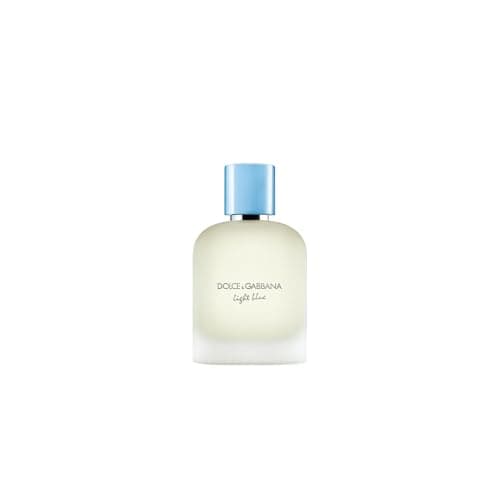
Few fragrances say "summer" as immediately as Light Blue Pour Homme. Since 2007 it has been the designer citrus a lot of people picture when they think of a hot-weather scent — bright, breezy and unmistakably Mediterranean. It is genuinely lovely for what it is. It is also, honestly, the shortest-lived fragrance most people will ever pay full designer price for, and the bottle on shelves now is not quite the one the classic reviews describe. This is an honest review of both.
What it actually smells like
Light Blue Pour Homme is a crisp, juicy citrus — grapefruit and bergamot — with a green, herbal edge and a light, clean woody base. It reads like a cold drink on a hot terrace: sparkling, slightly bitter, and effortlessly summery. There is nothing heavy or sweet here; it is a bright, airy freshie designed to feel like relief in the heat, and it does. The appeal is not complexity, it is the perfect, recognizable evocation of a Mediterranean summer — which is exactly why it has sold for the better part of two decades.
The reformulation you should know about
Here is the honest wrinkle. The bottle sold now is the 2025 version, which the house presents as a refinement rather than a reformulation, and which publishes a shorter, greener pyramid (lemon, rosemary, patchouli) under a woody-aromatic label rather than the exact 2007 composition most reviews describe. In practice it still reads as the same bright summer citrus, a touch greener and more herbal. It matters mainly because a sample or memory of the old version is not a perfect guide to the current one — an increasingly common situation with long-running designers, covered in our notes guide.
How it performs
This is the dealbreaker for many. By aggregated owner reports, Light Blue Pour Homme has the weakest longevity of the mainstream summer designers — a few hours is typical before it fades to a faint skin scent — and projection is modest after the opening. Bright citrus notes are naturally short-lived, and this leans into that. For a beach day where you reapply anyway, fine; for one spray to carry a workday, it will not. And it is priced like a full designer, which makes the short wear the central, honest criticism.
The honest catch: paying the most for the least
The uncomfortable truth about Light Blue Pour Homme is the value equation: it is close to the most expensive fragrance in its lane and the shortest-lasting. You are paying for the name and the flawless summer-citrus impression, not for performance. That is a defensible purchase if you love the smell and accept the reapplication — plenty of people happily do — but it is a poor one if you expected designer price to buy designer longevity. Cheaper citrus freshies fade just as fast for a fraction of the money.
Who should skip this
Skip Light Blue Pour Homme if you need one application to last, or if value matters — both are genuine weaknesses here. Skip it if you want depth, sweetness or an evening scent; this is daytime summer and nothing else. But if you want the definitive, recognizable Mediterranean citrus and you are happy to reapply, few scents capture "summer" as cleanly. It belongs in our summer and citrus scent profile shortlists, with the longevity caveat firmly attached.
Light Blue Pour Homme is a heart-not-head purchase; buy it knowing exactly what you are and are not paying for.
Treat it as a reapply-friendly beach scent
Because it fades fast, it is happiest on holidays and hot days where topping up is natural. Keep a travel spray with you. If you want the same summer-citrus feeling with far more staying power, our Issey Miyake review covers the longest-lasting classic fresh scent, and our travel roundup lists sturdier options.
Weigh the price against the wear
This is one of the few designers where a cheaper alternative genuinely makes sense: budget citrus freshies fade just as quickly for a fraction of the cost. If the D&G name and the exact impression matter to you, buy it; if freshness-per-dollar matters more, our affordable roundup points elsewhere.