The split that decides which bottle you want
Dolce & Gabbana sells two completely different versions of Italy to men, and almost every bad purchase from this house comes from buying one while expecting the other.
The first is the Mediterranean one. Light Blue Pour Homme arrived in 2007 and became the shorthand for designer summer — bright, citric, slightly salty, the smell of a hotel terrace in July. It is the reason most people type this brand into a search box, and it is also the weakest-performing and nearly the most expensive thing the house sells to men. We rank it third on this page, with the reasons spelled out, because the honest answer to "which Dolce & Gabbana should I buy?" is usually not the one you came looking for.
The second is the spiced, warm, tobacco-shaded one, and it is where this house is genuinely good. The One for Men (2008, Olivier Polge) puts cardamom and ginger over an amber-tobacco-cedar base. Pour Homme Intenso (2014) runs tobacco, hay and bran through an aromatic lavender-and-basil opening. Both are the kind of fragrance that reads as an adult in a room, and neither has anything to do with lemons. Nobody shops this half of the shelf, which is exactly why it is worth your attention.
What we judged these on
- Cost per milliliter, not per bottle. This house sells 50 ml, 100 ml and 125 ml bottles at prices that do not scale, so two listings that look similar can differ by half on cost per spray. Pour Homme and Pour Homme Intenso come in 125 ml; Light Blue and The One come in 100 ml at a similar number. We say which is which on every pick.
- Concentration against claim. Three of the five picks here are eau de toilette — a lower-concentration, roughly 4-8% oil formulation — at prices normally asked for eau de parfum. That is a legitimate knock and it is in the cons, not buried. Our EDT vs EDP guide explains what you actually give up.
- Published notes, not marketing copy. Every pyramid on this page comes from a published fragrance record, and where the current bottle differs on paper from the composition older reviews describe — which is true of both Light Blue and Pour Homme — we say so instead of quietly reusing the old notes.
- Availability. All five picks were confirmed as live, in-stock, full-size US listings on 30 October 2026 before they got a slot, and each carries a live price on this page.
The reformulation problem, stated plainly
Two of the five bottles here are not the composition that made them famous. The Light Blue Pour Homme on sale now is the 2025 version, which the house describes as refined rather than reformulated and which publishes a much shorter pyramid under a woody-aromatic label. Dolce & Gabbana Pour Homme was launched in 1994 by Max Gavarry and reworked in 2012; the published 2012 pyramid is shorter and softer than the 1994 one, so the long, animalic reviews you will find for it describe a bottle that is no longer what ships.
This is normal across the whole designer market and it is not a scandal — but it does mean a twelve-year-old review is not evidence about the bottle in your cart. Our guide to flankers and how to spot fake cologne cover the two other ways a bottle can fail to be what you expected.
Where this house sits against its rivals
If what you want is the Mediterranean citrus, the comparison that matters is Light Blue vs Acqua di Gio, and Armani generally wins it on performance per dollar. If what you want is the warm spiced amber, the nearest designer competition is Gucci and Valentino, both of which lean sweeter. And if you want the tobacco side done at full strength, the honest pointer is our tobacco roundup, where the picks are built around the note rather than shading it in. Dolce & Gabbana's real position is in the middle: better composed than the budget shelf, softer and shorter-lived than the houses that charge the same.
Which Dolce & Gabbana should you buy?
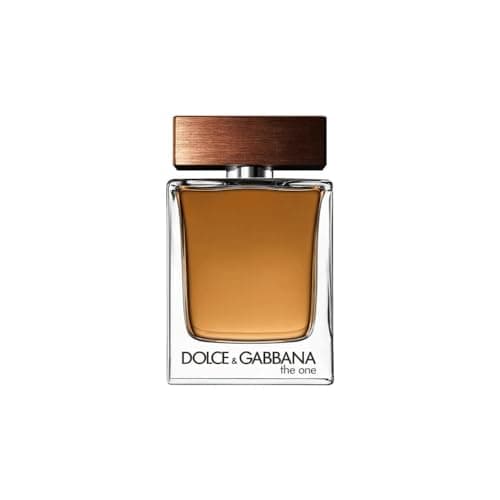
If you buy one bottle: The One for Men
The One is the house's most complete men's fragrance and the one we would put a first-time buyer in. The published pyramid is grapefruit, basil and coriander over cardamom, ginger and orange blossom, finishing on amber, tobacco and cedar — a structure that reads as spiced and faintly soapy-warm rather than sweet. It is comfortable in a meeting and comfortable at dinner, which is a narrower skill than it sounds.
The honest knock is performance against price. Aggregate owner reports put it in the moderate band on both longevity and sillage, and the US listing asks eau-de-parfum money for an eau de toilette. If you want the same warmth with more staying power you are better off in our amber profile or our long-lasting cologne roundup. Buy The One because you want its particular spiced-amber character, not because you want a projector.
If you want the best value and the most character: Pour Homme Intenso
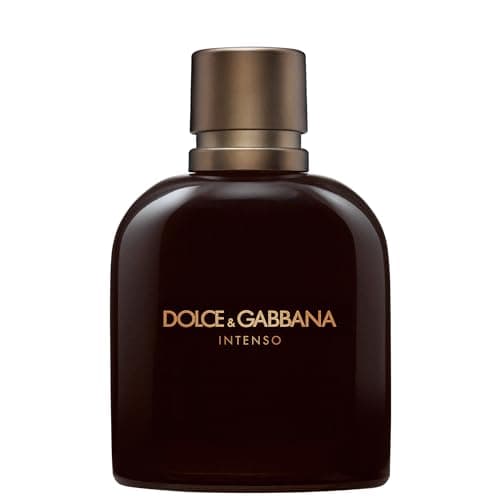
Intenso is the enthusiast's answer on this page and the best cost per spray in the line. It is an eau de parfum in a 125 ml bottle, and the published pyramid is unusual for a mainstream designer: basil, lavender, marigold and water notes up top, then a heart of tobacco, hay, bran and the house's own moepel accord, closing on labdanum, sandalwood, cypress, amber and musk. Dry hay and pipe tobacco over sandalwood is a barbershop idea, not a nightclub one, and nothing else at this price goes near it.
Two caveats. It reads as older than the rest of the line — that is the point, but it is not what a twenty-two-year-old is usually shopping for. And it is not a compliment magnet; this is a fragrance you wear because you like it. If that sounds right, the fougère profile and best cologne for fall are the two pages that will give you alternatives in the same register.
If you specifically want the summer citrus: Light Blue Pour Homme
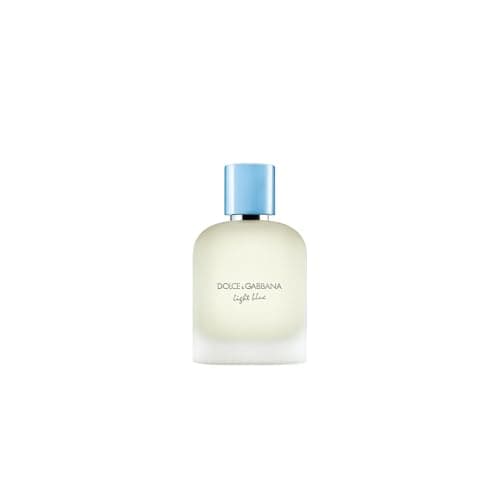
Light Blue earns its reputation. It is the archetypal Mediterranean citrus and it still smells like a holiday. We rank it third anyway, for one reason that has nothing to do with how it smells: by aggregate owner reports it has the weakest longevity and sillage of any pick on this page, and it sits at the top of the price range. Paying the most for the shortest wear is a bad trade however good the opening is.
Buy it if the specific smell is the point and you do not mind reapplying — plenty of people happily do. Read our full Light Blue Pour Homme review first, then Light Blue vs Acqua di Gio for the head-to-head, and best cologne for summer if you would rather see the whole field before committing.
If you want the warm-weather spice instead: K
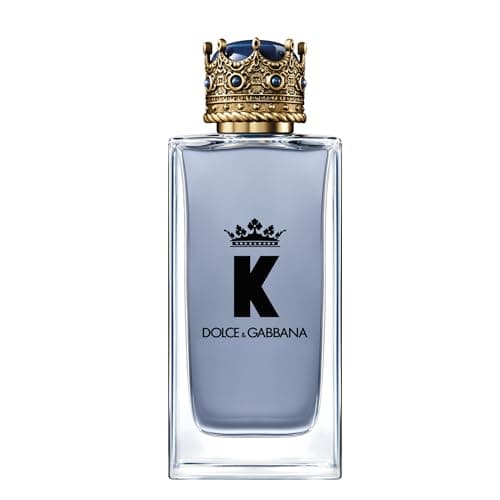
K (2019, Nathalie Lorson and Daphné Bugey) is the house's modern crowd-pleaser and the only bottle here that is genuinely easy in heat without being a straight citrus. Blood orange, Sicilian lemon and juniper berries open it; pimento, clary sage, geranium and lavender sit in the middle; cedar, vetiver and patchouli finish it. The pimento is the fingerprint — a dry allspice bite that stops it sounding like every other citrus-woody on the counter.
It is also the thinnest performer of the five, and the citrus-aromatic-woody lane is the single most crowded part of the market. If K appeals, compare it against the cheaper options in best cologne under $100 and the better performers in the woody profile before you decide it is the one.
If you want the safe, cheap-per-spray classic: Pour Homme
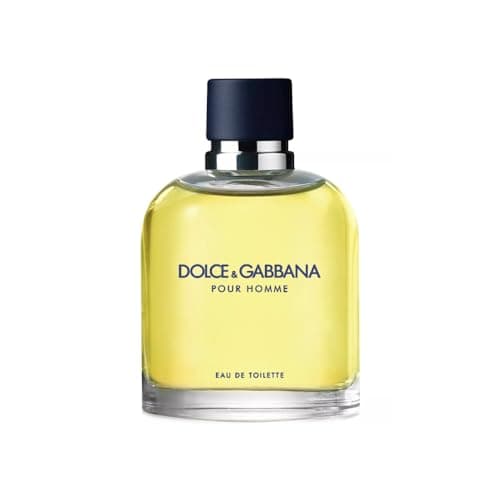
The house's first men's fragrance, and the most conventionally handsome thing it makes. The 2012 pyramid is bergamot, mandarin and neroli over lavender, sage and pepper, with tobacco, tonka bean and cedar underneath — a classical citrus-fougère with a soft warm finish. In a 125 ml bottle it is the cheapest cost per milliliter in the line and it is genuinely office-safe.
It is also close to anonymous. There is no signature accord here and nobody will ask what you are wearing. That is a legitimate thing to want — see best office cologne — but go in knowing it. And remember the bottle shipping today is the 2012 rework, not the 1994 original the older reviews describe.
What we left off, and why
Dolce & Gabbana's men's catalogue includes a long tail of Light Blue limited editions — the Capri, Vulcano, Panarea and Portofino flankers among them — plus the Devotion Pour Homme line and The One Royal Night. We did not rank any of them. The limited editions do not hold a stable US listing, which means a buy link we cannot stand behind in three months, and several of them publish pyramids that differ only marginally from the standard Light Blue. A flanker needs to smell different to earn a slot, not just carry a different cap. Our flanker guide explains how to read the names.
Check the size before you compare prices
This is the single most useful thing to know about shopping this house. Pour Homme and Pour Homme Intenso are sold in 125 ml; The One, K and Light Blue in 100 ml; and there are 50 ml and 30 ml listings in the same search results at prices that are not proportional. Work out the cost per milliliter before you decide which bottle is expensive. The live price card on this page shows what the specific listing we link costs right now, and our gift sets vs bottles guide has the ten-second check for whether a bundle is a real discount.
How to wear these
The two ambers — The One and Intenso — want two sprays and cold air. Light Blue and K are warm-weather daytime scents and can take three or four, because neither projects hard. Pour Homme sits in the middle and is the one to default to when you do not know the room. Our how many sprays guide covers the arithmetic, and longevity and sillage explained is worth reading before you judge any eau de toilette on this page against an eau de parfum you already own.
Two other houses worth seeing first
If this page has you thinking about mid-price designers generally rather than this house specifically, the two others we ranked the same week are worth a look. Givenchy sells a powdery iris-vanilla eau de parfum that outperforms everything here on longevity for less money, and Montblanc is the value end of the same shelf.