Two Italian summers in a bottle
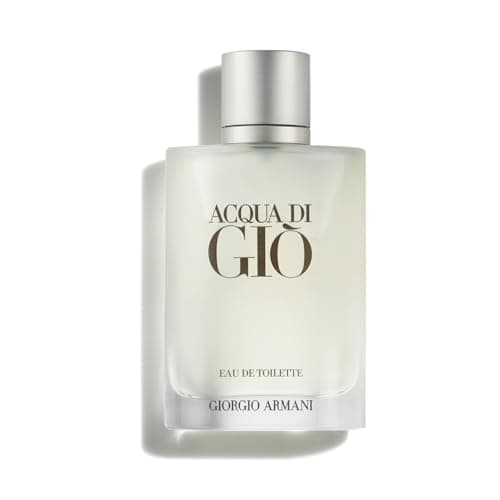
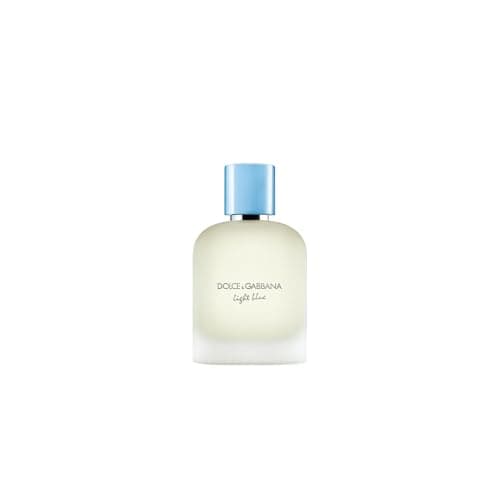
Dolce&Gabbana Light Blue Pour Homme and Giorgio Armani Acqua di Gio are the two scents most people mean when they say "Italian summer." Both are bright, Mediterranean and built for heat; both have been designer bestsellers for the better part of two decades. But they are different flavors of the same holiday — Light Blue is a sparkling citrus, Acqua di Gio a salty marine — and, importantly, the Light Blue on shelves now is not quite the one that made the name.
That reformulation wrinkle matters enough that it shapes the whole comparison, so it is worth getting on the table early. For a warm-weather shopper, though, the core question is simple: do you want zesty citrus or cool ocean, and how much do you care that neither of these lasts especially long?
How they smell, side by side
Dolce&Gabbana Light Blue Pour Homme is a bright, zesty citrus — grapefruit and a green, herbal character over a light woody-aromatic base. It smells like sun and Capri, which is exactly the intent. One honest caveat: the current bottle is the 2025 version, which the house frames as refined rather than reformulated and which publishes a shorter, greener, more herbal pyramid (lemon, rosemary, patchouli) than the 2007 original most reviews online describe. It still reads unmistakably as summer citrus, but if you are chasing a specific memory of the old formula, know that the composition on paper has moved.
Acqua di Gio EDT is saltier and cooler — bergamot and marine notes over a light woody base, the definitive aquatic rather than a straight citrus. It is a touch more universally flattering and a shade less sharp than Light Blue, and it leans oceanic where Light Blue leans zesty. Both are clean, both are summery, and neither is remotely distinctive at this point — they are the reference points other summer scents are measured against.
Performance and versatility
Neither is a performance monster, and one is genuinely weak. Acqua di Gio's base EDT is famously light — moderate longevity and polite projection by owner consensus — but the current Light Blue is weaker still, carrying the shortest longevity and sillage of any mainstream summer designer at close to the highest price. That combination is the single strongest mark against it. If you want the citrus to last, you will be re-applying.
On versatility they are twins: both are spring-and-summer scents that sparkle in heat and disappear in cold, and both are safe anywhere from a beach to an office. You are buying either for the same job — a clean, bright, weather-appropriate warm-weather default — so the tiebreaker is scent character and value, not flexibility.
What you are really paying for
Both of these sit at full designer prices, and neither performs like it. That is worth saying plainly, because summer scents get a pass on longevity that they should not always get — a citrus you cannot smell after lunch is not doing its job, however pleasant the opening. Between the two, Acqua di Gio gives you slightly more staying power and a more crowd-proof profile for the money, which is why it edges the value question.
Light Blue's appeal is almost entirely its specific bright-citrus character; if that scent is the one you want, no aquatic substitutes for it, and you buy it with eyes open about the performance. Either way, if you are building a summer rotation rather than a single bottle, the aquatic and fresh profiles gather stronger-performing alternatives at a range of prices.
The verdict
Buy Acqua di Gio if you want the more universally flattering, better-value summer default with the marine-salty character — it is the safer all-round pick, and its flankers offer a stronger version if you want one. Buy Light Blue Pour Hommeif you specifically love its sparkling citrus over Acqua di Gio's salt, and you go in knowing the current bottle is the shortest-lived, priciest option here. If performance is the priority over heritage, both base EDTs are outgunned by the options in the summer ranking. Full detail sits in the Light Blue review and the Acqua di Gio review.