Fougère (pronounced roughly "foo-ZHAIR," French for "fern") is the most classic and the most unmistakably masculine family in all of fragrance — and the one you have almost certainly smelled a hundred times without ever knowing its name. It was born in 1882, when the house of Houbigant released Fougère Royale and, for the first time, built an entire scent around a then-new synthetic material called coumarin. There is no fern that actually smells of much, so the family was an invention from the start: an idea of green, clean, aromatic freshness rather than a literal note pulled from a plant. That single launch created a template so durable that, well over a century later, it still underpins an enormous share of the men's fragrances on any shelf.
The classic fougère accord is a three-part chord. Lavender sits up top, oakmoss anchors the base, and coumarin — a sweet, warm, hay-and-almond note usually carried by tonka bean — ties the two together. Lavender gives the clean, aromatic, faintly medicinal lift; oakmoss gives the dark, earthy, slightly bitter green depth; coumarin rounds everything off with a soft, powdery sweetness. That combination is exactly what people mean when they call a scent "barbershop": it is the smell of shaving soap, cool aftershave and a fresh haircut, because traditional grooming products were built on the very same accord. If a fragrance strikes you as clean, groomed and reassuringly masculine in a way you cannot quite place, it is almost always a fougère doing the work.
It is hard to overstate how dominant this structure became. From the mid-twentieth century onward, the fougère became the default grammar of masculine perfumery — the accord underneath countless drugstore aftershaves, department-store designers and grooming staples. When people describe a scent as smelling "like cologne," in the generic, hard-to-place sense, a fougère is very often what they are actually describing. Coumarin is the quiet hero of all of it: warm, soft and slightly sweet, it is the material that makes lavender wearable rather than sharp and gives the whole family its comforting, powdered-down finish.
One quiet footnote matters if you go deep. Real oakmoss is now heavily restricted for allergen reasons, so most modern fougères suggest that mossy depth with synthetic woody-amber and moss substitutes instead. The accord survives; the raw material has largely been swapped out. This is why some vintage enthusiasts insist the old classics smelled richer than the current bottles — they are not entirely imagining it, though the vast majority of wearers never notice the difference.
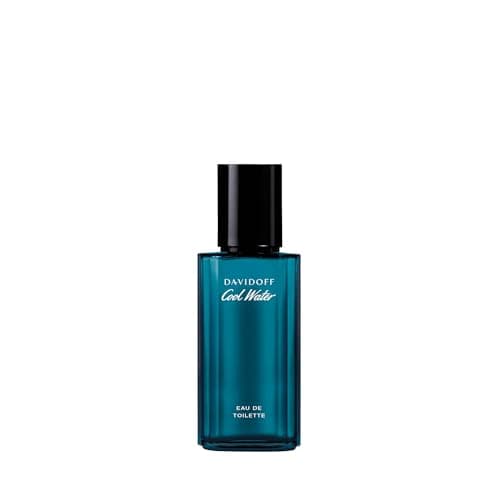
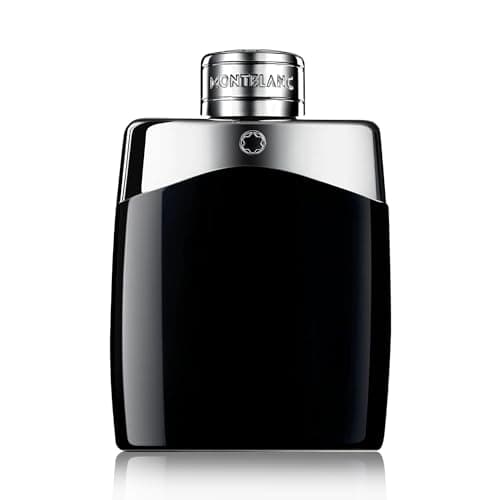
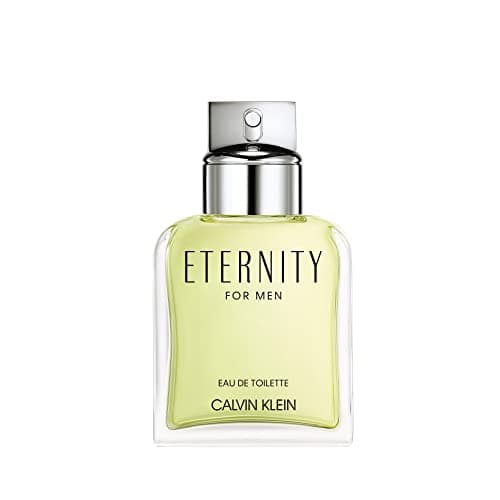
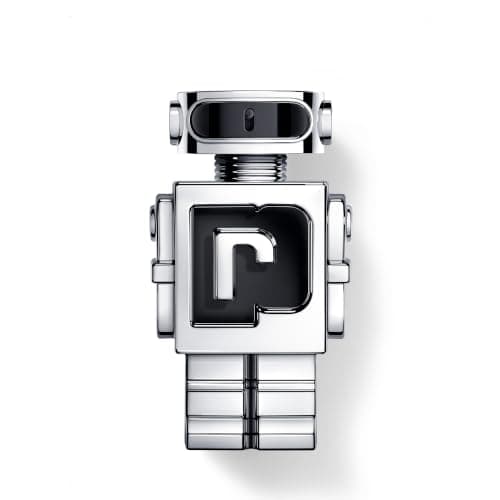
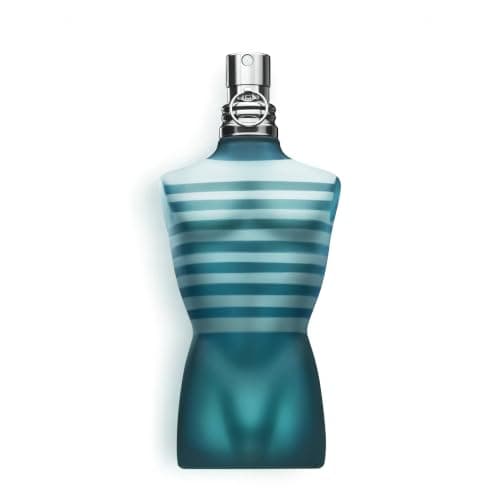
Within the family there are three lanes worth knowing before you shop. Aromatic fougères are the purest, most herbal expression — lavender-forward, cool and a little soapy, the barbershop template played straight; the 1988 blockbuster Cool Water lives here, its minty, watery freshness built right on top of a classic lavender-fern skeleton. Fresh fougères pull the accord toward citrus and clean, modern freshness, sanding off the old-fashioned edges so the result reads light and effortlessly versatile — Montblanc Legend and Calvin Klein Eternity are textbook examples. Sweet or "oriental" fougères go the other way, loading the coumarin base with vanilla, caramel and spice until the barbershop turns cozy and almost gourmand; Jean Paul Gaultier Le Male is the definitive modern example, and Paco Rabanne Phantom is a softer, contemporary take on the same idea. Working out which of those three lanes you respond to is the single most useful thing you can learn about your own taste in this family.
Because a fougère balances freshness against warmth, the family is home to the great year-round all-rounders. The aromatic and fresh styles handle spring and autumn beautifully and hold up in mild heat, while the sweeter styles lean toward cold weather and the evening, where their vanilla-and-tonka base has room to bloom. As a group, fougères are the safest possible choice for the office, for interviews, and for any room where you want to read as clean and capable rather than loud. This is, more than any other, the "smell like a grown man who has his act together" family — and it plays that role better than anything else in the wardrobe. If you are still mapping the wider landscape, our guide to the fragrance families shows exactly where the fern sits next to fresh, woody and amber.
A word on performance, which varies more inside this family than most. By owner and community consensus, the drier aromatic and fresh fougères tend to be moderate performers — clean and close to the skin rather than room-filling — while the sweet, coumarin-heavy fougères project harder and last noticeably longer. None of those judgments come from a lab; they reflect the aggregated reports of people who wear these scents daily, weighed against published notes and concentration. Value is genuinely competitive here, too: several of the most-loved fougères are also among the cheapest bottles you can buy, so paying more is often about the name on the glass rather than the quality of the fern inside it.
For a lot of men, a fougère is the smartest first "grown-up" fragrance to own. It is broadly liked rather than polarizing, it suits the widest range of occasions, and it rarely draws the kind of strong reaction — good or bad — that a loud gourmand or a niche oud can. If you are building a small wardrobe from scratch, a versatile fresh or aromatic fougère as your everyday scent, paired with a warmer amber or sweet fougère for the evening, covers most of life in two bottles.
The honest catch is folded into that very reliability. A fougère can read as classic to the point of dated — the same barbershop accord your father and grandfather wore, which lands as a compliment or a criticism depending entirely on who you ask. Played too straight, it can also read simply "soapy": pleasant, clean and forgettable, the fragrance equivalent of a plain white shirt. The fix is never to avoid the family but to choose a fougère with a point of view — a sweet one with real character, a fresh one with a modern citrus lift, or an aromatic one worn with the confidence a classic deserves. The picks below run from the definitive sweet icon to the clean, inexpensive workhorses, ordered so you can match the fern to the life you actually lead.
How to choose a fougère cologne
Start by picking your lane, because the three fougère styles genuinely smell different on skin. If you want the classic, clean, faintly soapy barbershop feeling — the one that reads "freshly groomed" the moment it lands — go aromatic. If you want something lighter and contemporary that nobody could plausibly call old-fashioned, go fresh. And if you want warmth, sweetness and cold-weather compliments, go sweet. Most men have a clear, immediate reaction once they smell lavender, then vanilla, then oakmoss in isolation, so if you can, test one scent from each lane before you commit to a full bottle.
Next, think honestly about when you will actually wear it. Aromatic and fresh fougères are the true year-rounders and the safest single-bottle choice you can make: clean enough for a warm office, warm enough for a cool evening, and inoffensive in every setting in between. Sweet fougères are the exception — cold-weather and evening specialists that are glorious from autumn through winter but can turn cloying at a summer lunch. If you only own one fragrance and you want it to vanish into any situation without a second thought, a fresh or aromatic fougère is arguably the most useful scent money can buy.
Concentration matters less here than the style you pick. Many of the great fougères are eau de toilette, and by owner consensus the aromatic and fresh ones sit close to the skin after the first hour or two, while the sweet, tonka-heavy ones throw further and last longer into the night. If you love how one smells but wish it lasted, our longevity toolkit covers the routine — application technique, moisturized skin and a pocket atomizer do far more than chasing a bigger bottle. And to weigh the trade-off between concentrations before you spend, the EDT vs EDP guide breaks it down in plain English.
Finally, do not assume that expensive means better in this family. Some of the most beloved fougères — polished designer workhorses and genuine budget classics alike — cost very little, and a well-chosen inexpensive fern will often out-charm a designer costing several times more. What actually keeps a fougère from reading dated is less its price than how you wear it: a light hand, a modern fresh or sweet interpretation rather than a heavy vintage one, and the confidence to own a classic instead of apologizing for it. If the barbershop idea turns out not to be your thing after all, the scent-profile hub points to the fresh, woody and amber families next door, and our best cologne for men ranking spans every family at once.