Ambroxan is a synthetic aroma molecule that smells warm, clean, dry and faintly salty — a kind of abstract amber with a mineral, skin-like quality and no sweetness to it. It is the single most recognizable material in modern men's perfumery, and it is the reason a startling number of designer fragrances released since about 2015 smell like variations on one idea. If you have ever thought the men's counter at a department store smells oddly homogeneous, this molecule is most of the explanation.
Where it comes from
Ambroxan is the lab version of ambergris. Ambergris is a waxy substance produced in the digestive system of sperm whales, found washed up on beaches, and historically prized by perfumers for a smell that is simultaneously marine, animalic, warm and oddly indescribable. It was also rare, inconsistent, wildly expensive and — once whaling was restricted — ethically and legally impossible to rely on.
Ambroxan solves all of that. It is produced from sclareol, a compound derived from clary sage, which makes it renewable, consistent batch to batch, cheap at scale and free of the animal-origin problem entirely. Perfumers get a stable material that behaves predictably; the house gets a base note that costs very little and performs very well. Those two facts together are why it took over.
What ambroxan actually smells like
On its own, most people describe it as clean, dry, warm and slightly salty — closer to warm skin or sun-dried linen than to anything sweet. There is no vanilla or caramel in it, which is what separates it from the sweet amber accords of the 1990s. It has an unusual property that explains its popularity: it is substantive, meaning it clings to skin and fabric for a long time, and it amplifies and carries the materials placed above it. A citrus top note over an ambroxan base lasts far longer than that citrus could manage alone.
A meaningful minority of people cannot smell it well, or at all — specific anosmia to particular aroma molecules is common and well-documented. If a famously strong fragrance seems to vanish on you within the hour while everyone around you insists they can smell it, an ambroxan-heavy composition is a likely culprit. That is a quirk of your nose, not a faulty bottle; our why cologne fades on skin guide covers the other causes.
Why it is in everything
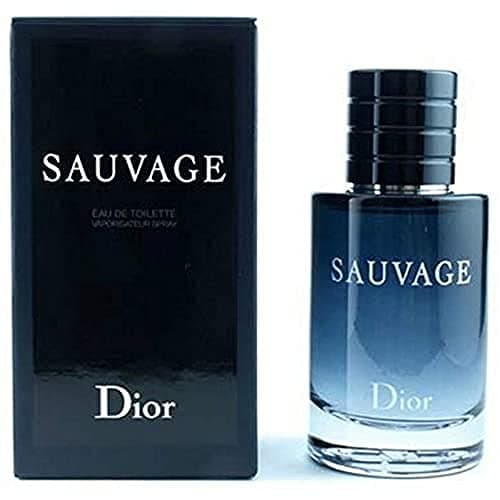
Dior Sauvage, released in 2015, is the pivotal bottle: a bright bergamot top over an enormous ambroxan base, which became the best-selling men's fragrance in the world. An entire market followed. For a house, the template is close to irresistible — it is cheap, it performs, it is almost universally liked, and it is genderless enough to sell to everyone. The cost is sameness. "Blue fresh designer" is now a recognizable genre rather than a description, and the clone houses copy the template as enthusiastically as the designers do.
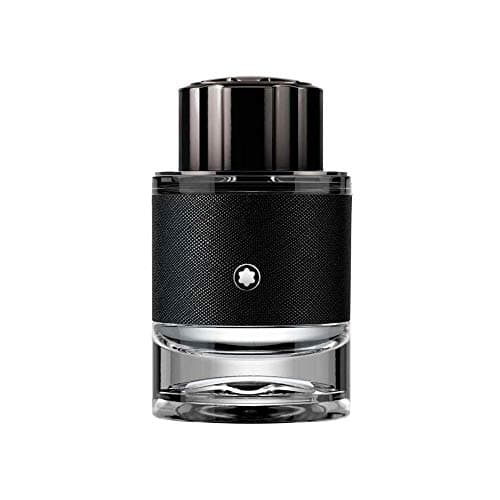
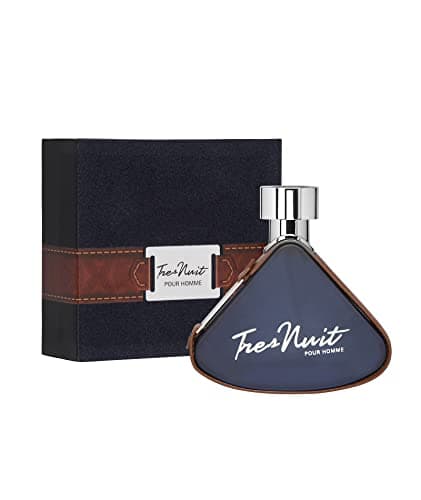
The three bottles below are a deliberate ladder through that template rather than a best-of list: the one that defined it, a mid-price designer that openly follows it, and the budget house version. Smelling them next to each other is the fastest way to learn to recognize the molecule.
How to use this when you shop
Learn to spot it on the shelf
You will rarely see "ambroxan" on a box, because note lists are marketing copy rather than ingredient declarations. The tells are in the language: "ambroxan," "ambergris," "amberwood," "cashmeran," "mineral," "salty" and the word "clean" doing a lot of work. Combine that with a blue or grey bottle and a bergamot or pepper top note and you can predict what is inside with fair accuracy. Our fragrance notes explained guide covers how note pyramids are built, and the glossary defines the rest of the vocabulary.
If you like it, buy once and stop
The most common collecting mistake in this category is owning four variations of the same template. Sauvage, Explorer and Tres Nuit all live in the same lane; if you already wear one, the second adds almost nothing to your week. Spend the money on a different family instead — green, woody or amber will all change what you smell like far more than another blue bottle will. Our collection guide sets out a sensible order.
If you are tired of it, here is the way out
Three lanes have no ambroxan template in them at all: proper vetiver and leafy greens, dry woody-spicy compositions, and the Arabian amber and oud tradition. Any of the three will break the sameness immediately. See best Arabian fragrances and best niche cologne for the two most direct escapes.
Is it safe, and is synthetic worse?
Ambroxan is a long-established, widely used material that sits within the International Fragrance Association's standards framework like every other commercial aroma chemical. The broader point is worth stating plainly: synthetic is not a quality judgment. Most of the materials in every fragrance you have ever liked are synthetic, many naturals are allergens, and a renewable lab molecule that replaced a whale-derived one is a straightforward improvement on every axis that matters. Price, as our is expensive cologne worth it guide argues, correlates with structure and material count far more than with the word "natural."