Real oud smells dark, dense and strange: a warm balsamic resin with a smoky, slightly medicinal edge, a leathery depth underneath, and — depending on the source — an animalic, barnyard, almost cheesy top that is genuinely shocking the first time you meet it. It is sweet and sour at the same time. It does not smell like wood in the way cedar or sandalwood smells like wood; it smells like something that happened to wood. If you have only ever smelled Western "oud" fragrances, you have almost certainly never smelled it at all, and that is the most useful thing to know before you spend money in this category.
Where oud comes from
Oud — also called agarwood, aloeswood or oudh — is the dark, resinous heartwood produced by trees of the Aquilaria genus when they are infected by a particular mold. A healthy Aquilaria tree has pale, light, odourless wood. When the infection takes hold, the tree floods the affected area with a protective resin, and over years that resin saturates the heartwood and turns it dark, heavy and intensely aromatic. The fragrant material is a wound response, not a normal product of the tree, which is the whole reason it is rare.
Only a small fraction of wild Aquilaria trees ever become infected, the resin takes many years to develop, and the genus is listed under CITES because of overharvesting. Distilled oud oil is consistently described as one of the most expensive raw materials in perfumery, by weight ahead of most precious metals. Plantation cultivation with induced inoculation now supplies a growing share of the market and has brought prices down from absurd to merely very high, but the arithmetic still holds: a bottle selling for thirty dollars does not contain meaningful quantities of it.
So what is in an oud cologne?
Synthetic oud accords. Perfumers build the impression of agarwood from woody-amber materials, smoky and leathery notes, saffron, and a set of specialist aroma chemicals designed to reproduce parts of the profile. The result is cleaner, sweeter, more linear and considerably more wearable than the real thing — which is not a criticism. Genuine oud oil is difficult, polarizing and often unpleasant to a Western nose for the first twenty minutes. The synthetic version is what most people actually want when they say they want an oud fragrance.
The practical consequence is that "oud" on a mainstream bottle functions as a style label rather than an ingredient declaration. It means dark, resinous, sweet-woody and Middle Eastern in character. Note lists are marketing copy, not ingredient lists — our fragrance notes explained guide covers why — so the word on the box tells you about the intended impression, not about what is in the juice.
The three bottles below, and what each teaches
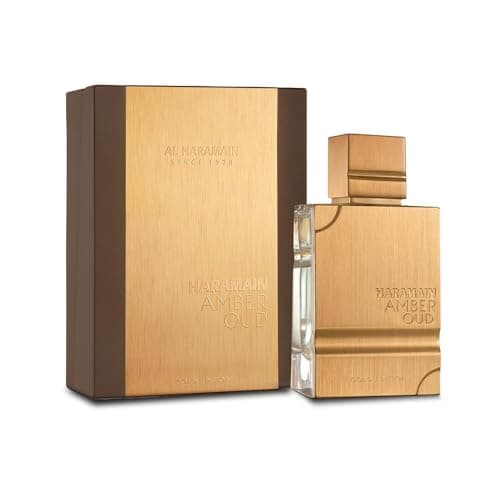
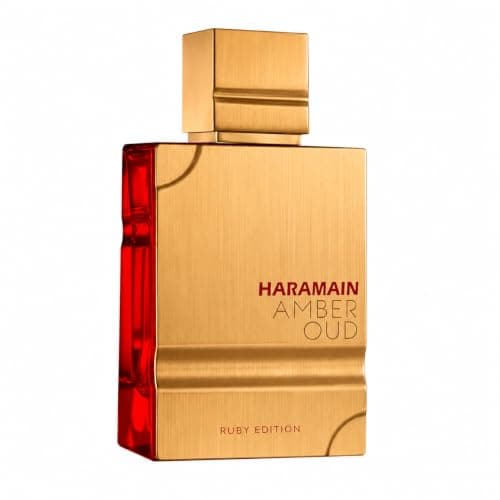
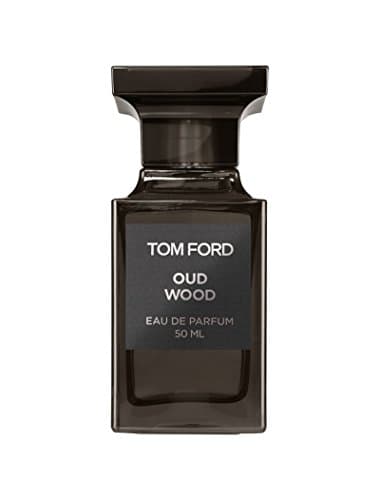
These are a ladder through the category rather than a best-of list. Tom Ford Oud Wood is the reference point for how the West interprets the material: smoky, dry, restrained, and deliberately scrubbed of everything animalic. The two Al Haramain bottles show what the word means at the budget end — saffron, sweet amber and woody-amber synthetics, with the oud accord as a dark shadow behind them rather than the subject. Smelling the expensive one next to the cheap ones is the fastest education available in this part of the shelf.
How to shop the oud shelf without being fooled
Decide which oud you actually want
There are three distinct things sold under the name. Pure oud oil, from a specialist attar house, is the real material and is an acquired taste measured in hundreds of dollars per few milliliters. Niche and upper-designer oud fragrances — Oud Wood and its peers — use a small quantity of oud alongside a large quantity of supporting materials to produce a refined, smoky-woody effect. Mass-market oud is an accord with no agarwood in it at all. All three are legitimate purchases; buying the third while believing you bought the first is where people get annoyed.
If you want a first oud: Tom Ford Oud Wood
Oud Wood (2007) is the bottle that made the category commercially viable in the West: rosewood, cardamom and a restrained oud accord over sandalwood and vanilla, with none of the barnyard character of the raw material. It is quiet for the money and it is expensive, both of which are fair criticisms — but it is also the clearest demonstration of what a well-built oud accord does. Our Tom Ford range ranks it against the rest of the house.
If you want the budget version: the Amber Oud range
Al Haramain's Amber Oud line is the most common entry point, and it is honest value: eau de parfum concentration, strong projection and a saffron-amber accord that reads as expensive. It is sweeter and simpler than anything above it, and the oud in the name is doing marketing work rather than olfactory work. The full range is ranked on our Al Haramain page, and best oud cologne for men covers the wider field including Lattafa and Orientica.
Watch out for these three things
First, price. If a bottle costs less than a tank of fuel and claims oud, it is an accord — that is fine, but do not pay a premium for the word. Second, "oud" in a name that is otherwise a sweet amber: much of the Arabian budget shelf uses it this way. Third, sellers claiming "pure oud" at implausible prices on marketplace listings; the same caution applies here as everywhere else, and our how to spot fake cologne guide covers the general case.
How to wear it
Oud and oud-style fragrances are cold-weather, evening-leaning and powerful. One or two sprays is the entire dose indoors; this family punishes a heavy hand harder than any other. They also last exceptionally well on fabric, often for days on a scarf or a coat lining. If you want the same depth in something lighter, the woody profile is the sensible step down, and amber is where most budget oud bottles genuinely live.